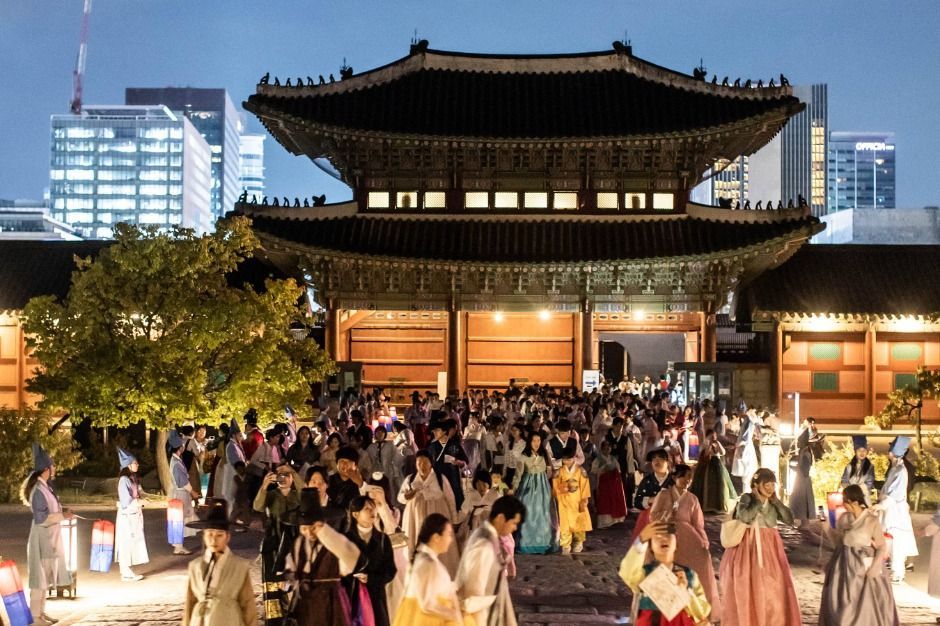
Festival de la Cultura de la Realeza (궁중문화축전)
356.4M 2025-06-27
Sajik-ro 161, Jongno-gu, Seúl
1522-2295
Los bellos palacios tradicionales tienen un gran valor como patrimonios tangibles e intangibles de la nación. En combinación con la tecnología más avanzada y toques artísticos, el Festival de la Cultura de la Realeza se celebra en los cuatro principales palacios antiguos de la ciudad: Gyeongbokgung, Changdeokgung, Deoksugung, Changgyeonggung y Gyeonghuigung; y también el Santuario de la Realeza Jongmyo. Disfrute del ambiente primaveral a la vez que conoce sobre la tradición de la realeza y los palacios de Corea.
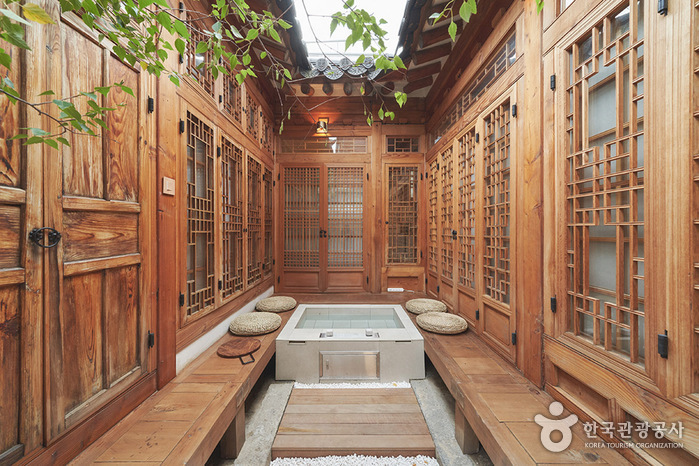
Of one book and stay / 일독일박
439.3M 2025-08-11
11-1, Pirundae-ro 3-gil, Jongno-gu, Seoul
This hanok (traditional Korean house) is located in Seochon Village near Gyeongbokgung Palace. It is a modern C-shaped hanok centered around the inner courtyard, which is the first thing that the guests see after entering through the gate. While it is not expansive, white pebbles and a foot bath make this hanok a unique one. One can enjoy a foot bath while sitting on the porch.
The bedroom, which is located beyond the living room, is furnished with a queen-sized bed. Opening the screen doors brings one to the view of the kitchen area beyond the inner courtyard. A large table, plush sofa, and a small bookcase make the space ideal for books and discussions. Climbing the wooden ladder to the side of the kitchen brings one to the attic, which also doubles as a Korean-style room with a skylight. The kitchen is furnished with a refrigerator, microwave oven, gas stove, electric kettle, toaster, pots, utensils, wine glasses, and bottled water. There is a restroom with a bathtub. The standard occupancy of the house is 4 people.
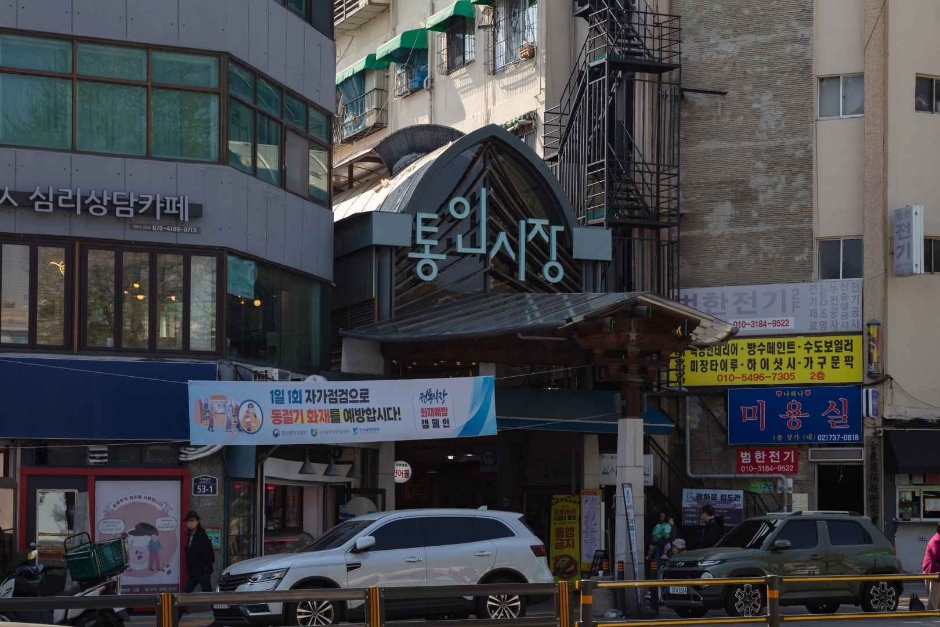
Mercado Tongin (통인시장)
472.2M 2025-08-08
Jahamun-ro 15-gil 18, Jongno-gu, Seúl.
El Mercado Tongin tiene su origen en el mercado público establecido para los residentes japoneses cerca del barrio Hyoja-dong de Seúl en junio de 1941, cuando Corea aún estaba bajo el dominio nipón. Tras la Guerra de Corea (1950-1953), la nación experimentó un gran crecimiento de la población, que también aumentó el consumo y la demanda, estimulando el establecimiento de tiendas y vendedores callejeros. El Mercado Tongin consiste en 75 tiendas, la mayoría de las cuales son restaurantes y pequeños supermercados. Las tiendas venden productos pesqueros y agrícolas como hortalizas, frutas y pescados. También hay algunas tiendas que venden ropa o calzado, y algunos talleres de reparación de ropa y zapatos.
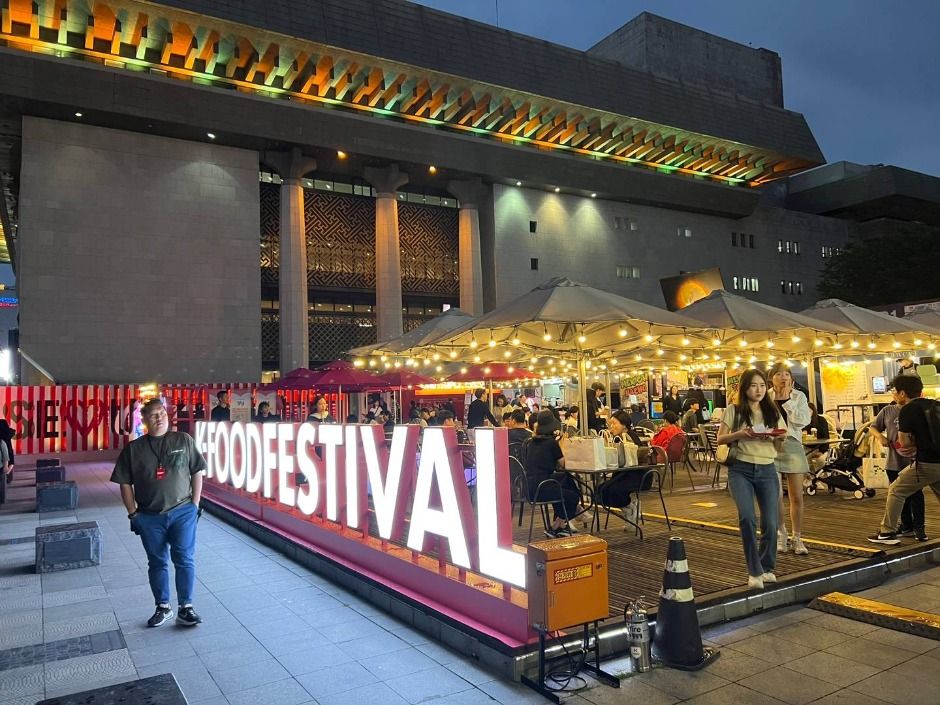
K-Food Festival Knock Knock (K-푸드 페스티벌 넉넉)
504.0M 2025-06-20
Sejong-daero Jiha 189, Jongno-gu, Seúl
02-2088-4960
Auspiciado por el Ayuntamiento de Seúl, K-Food Festival Knock Knock es un evento de carácter gastronómico dedicado en especial a la comida coreana. Se instalan unos 15 camiones de comida que ofrecen platos de comida coreana que no son fáciles de encontrar en otros lugares, como crepe de kimchi, panceta y queso; rollo de caqui disecado con nueces y queso crema, brochetas de pollo con kimchi y salsa ssamjang, pollo frito rebozado con arroz acaramelado, bebida de arroz sikhye con calabaza, etc. Durante fines de semana largos y períodos festivos se agregan diversos eventos anexos como espectáculos, tiendas temporales de artesanías, etc.
Parque Sejongno (세종로공원)
508.0M 2024-09-10
Sejong-daero 189 (subsuelo), Jongno-gu, Seúl
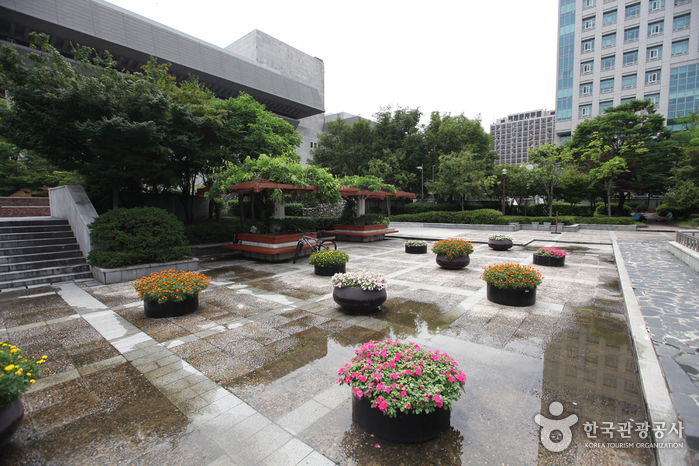
El Parque Sejongno está localizado cerca del Centro Cultural Sejong de Seúl. Dentro del parque hay bancos de madera y zonas con sombra para que la gente pueda sentarse y relajarse. También hay fuentes de agua, un escenario exterior y varias esculturas. Entre semana, el parque se llena de oficinistas que lo visitan a la hora de la comida, y durante los fines de semana incluso se realizan bodas al aire libre.
Haeunjae / 하은재
525.2M 2025-08-12
68-10, Jahamun-ro, Jongno-gu, Seoul
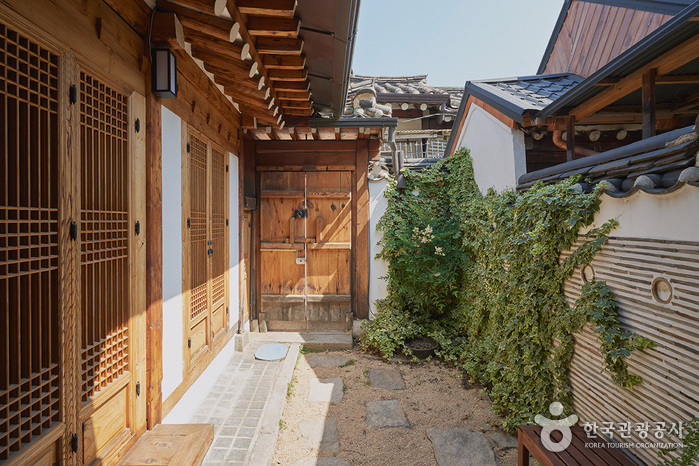
Haeunjae (下隱齋), meaning “hermit’s residence,” is a hanok (traditional Korean house) residence located in Seochon Hanok Village, near Gyeongbokgung Station on Seoul Subway Line 3. It is dedicated to the ideal of “movies and rest,” and takes after the characteristic form of modern hanok with a small courtyard. The entire house is rented out at once, with a queen bedroom, kitchen, movie room, and two restrooms. Up to 4 guests can reserve the house, with each additional guest above the standard of 2 having access to additional bedding.
The movie room is furnished with a Bose sound system, beam projector, and screen, along with a mobile foot bath. The kitchen is equipped with a refrigerator, hand drip coffee maker, toaster, electric kettle, and utensils. A 10% discount is available for guests staying for more than 2 nights on weekdays, and towel replacement and cleaning services are offered for guests staying for more than 3 nights.
The residence is located close to tourist sites like Tongin Market, Gyeongbokgung and Changdeokgung Palaces, and Samcheong-dong area.

Gwanghwamun Hanokjip (광화문한옥집)
528.8M 2025-07-18
7, Saemunanro 5ga-gil, Jongno-gu, Seoul
Gwanghwamun Hanokjip offers an authentic Korean dining experience while serving traditional Korean cuisine and keeping its traditional atmosphere alive. The best menu at the restuarant is kimchi cabbage wraps with pork. The restaurant is located near the Gwanghwamun Gate, Seoul.
Ilpumdang Premium (일품당프리미엄)
528.8M 2025-07-18
7, Saemunan-ro, 5ga-gil, Jongno-gu, Seoul
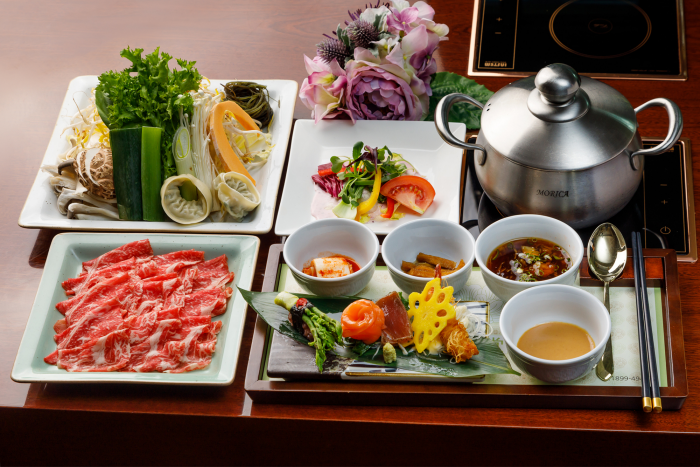
A shabu-shabu specialty restaurant located in Gwanghwamun Gate, Seoul. A store with rooms. The most famous menu is shabu-shabu.
Parque Sajik de Seúl (사직공원(서울))
541.0M 2025-08-08
Sajik-ro 89, Jongno-gu, Seúl
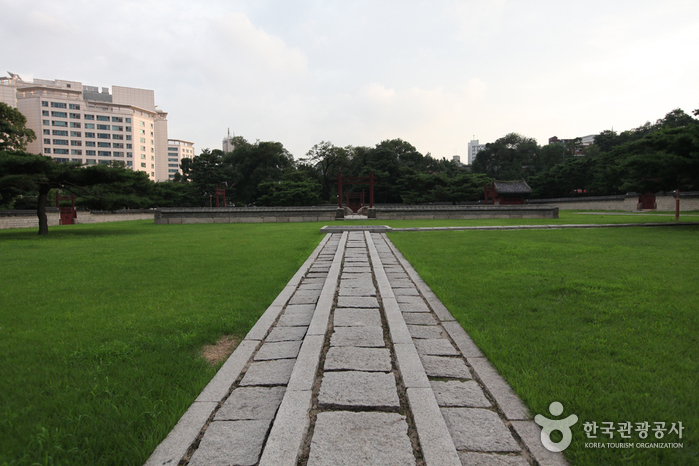
El parque Sajik es uno de los tres parques más famosos en Jongno-gu, junto con los parques Tapgol y Samcheong. Situado al oeste de Cheong Wa Dae, cerca del monte Inwangsan, el parque tiene unas impresionantes dimensiones de 188.710 m². El nombre del parque fue elegido en 1395, cuando Taejo Lee Sung-gye hizo su primer Sajikdan (altar a los dioses del Estado) junto con el santuario Jongmyo, en el centro del parque. "Sa" se refiere a la deidad de la Tierra, mientras que "jik" hace referencia a la deidad de los cinco granos. Varios rituales por buenas cosechas tuvieron lugar regularmente en el Sajikdan; sin embargo, el área no fue reconocida como un parque hasta 1922, durante el período de la ocupación japonesa. En el parque se encuentran muchos parques infantlies, estatuas de Shin Saimdang, Hwanghakjeong y Yi I (nombrado a menudo por su nombre de escritor, Yulgok), y la Biblioteca Municipal Infantil. El santuario Dangun y la Biblioteca de Jongno se encuentran por la zona. Siguiendo el camino cercano al parque Sajik durante 5 minutos, los visitantes pueden llegar a la ruta para excursionistas del monte Inwangsan con relativa facilidad.
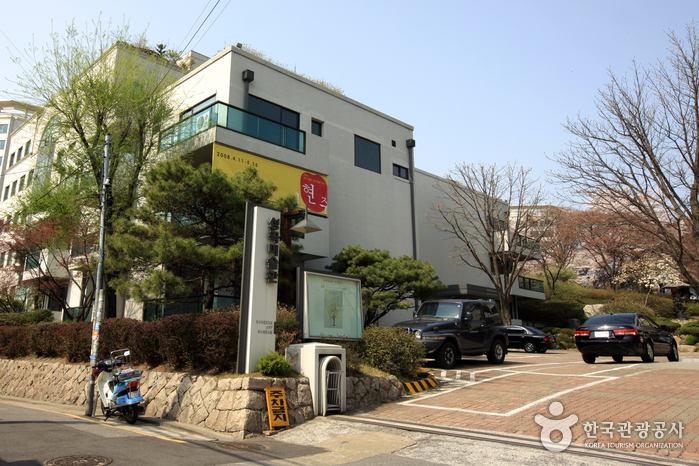
Museo de Arte Sungkok (성곡미술관)
550.3M 2021-02-03
Gyeonghuigung-gil 42, Jongno-gu, Seúl.
+82-2-737-7650
El museo fue inaugurado en el año 1995 en homenaje al maestro Kim Sung-kok, fundador de la compañía Ssangyong. Es una institución pública, cuya finalidad es estructurar el servicio de bienestar social por medio del arte y la cultura. La exposición está enfocada a las obras artísticas que interpretan y reflejan la tradición, las costumbres y el color folclórico de Corea, en un entorno moderno. Más allá de las exhibiciones, también apoya a los nuevos artistas, por medio de proyectos como el “Concurso Artístico de Sungkok”, y el “Artista del Futuro”. Está compuesto por el edificio principal, el edificio anexo y un parque de esculturas. También dispone de una cafetería y una tienda de artículos artísticos.
 Español
 한국어
한국어 English
 日本語
日本語 中文(简体)
 Deutsch
 Français
 Русский


