Donghae Boyang Hot-spring Convention Hotel (동해보양온천컨벤션호텔)
14.9Km 2025-10-23
6285, Donghae-daero, Donghae-si, Gangwon-do
+82-33-530-0700
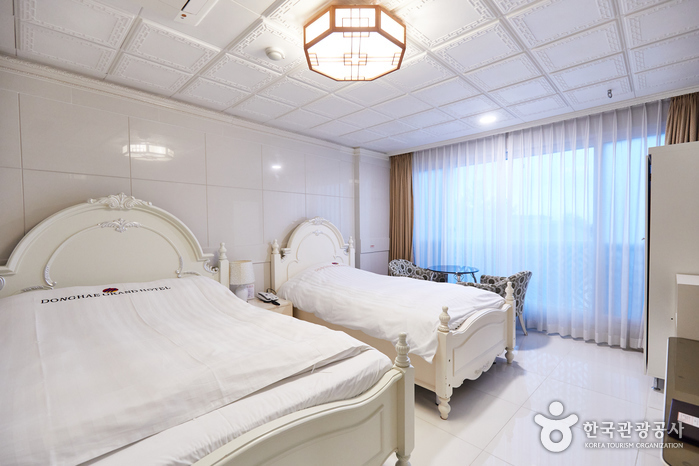
Donghae Boyang Hot-spring Convention Hotel in Mangsang-dong, Donghae-si, Gangwon-do, has the fourth government-designated hot spring in Korea. Facilities include accommodations, restaurants, banquet halls, hot springs with proven therapeutic effects, and others. The hot spring draws from mineral-rich seawater found in natural bedrock and red clay bedrock water found 900 meters underground, which relieve fatigue and provides skincare benefits. The guest rooms feature white wallpaper and white bedding. You can choose regular rooms, ondol rooms (have heated floors without beds), or a combination of both. Guests can enjoy ocean views from affordable standard rooms, a welcome feature for many. Another good thing is the hotel has various additional facilities. The indoor seawater spring pool has a 50-meter swimming lane for adults and a children's pool with a water slide. The mini zoo in the outdoor park features monkeys and white peacocks, making it popular among families with children. The hotel has both Korean and Western-style restaurants, which will satisfy your hunger after you've spent some time in the hot spring. With small banquet halls, a convention hall, and an international conference room, the hotel is also an ideal choice for business meetings of various sizes. Lastly, the hotel is 500 meters from Mangsang Beach, easily accessible via a sky bridge.
Mangsang Beach (망상해변)
15.1Km 2022-12-26
6270-10, Donghae-daero, Donghae-si, Gangwon-do
+82-33-530-2800
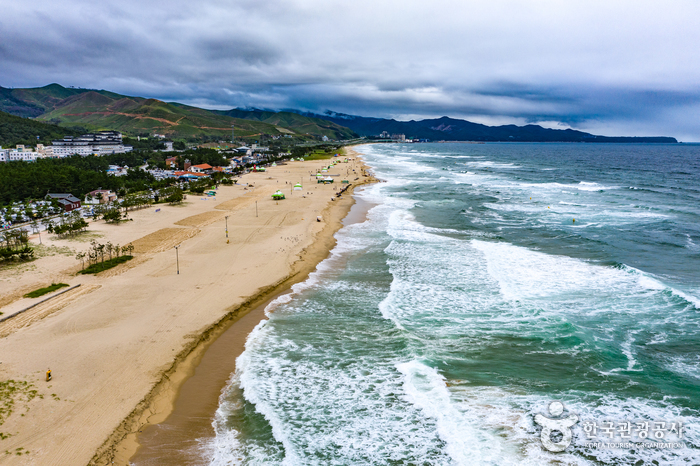
Mangsang Beach is sought out by many families and tourists for its beautiful white sand, lush pine forest, shallow waters, and location in a neighborhood full of convenient facilities. Mangsang Beach is located 3 kilometers north from Mukho Port and it represents the east coast, along with Okgye and Gyeongpo Beaches.
Namdaecheon Stream (남대천(강릉))
16.2Km 2025-10-23
Gusanan-gil, Seongsan-myeon, Gangneung-si, Gangwon Special Self-Governing Province
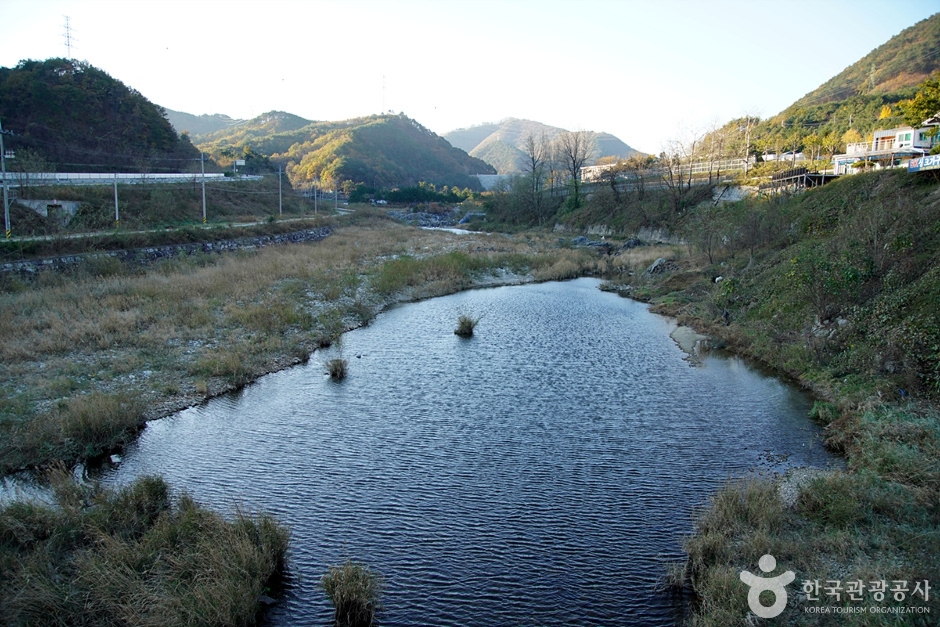
Namdaecheon Stream in Gangneung, the actual location where the character Seong-jun warned Su-hyuk in the movie "A Man of Reason," is a river that flows through Gangneung and enters the East Sea. Near the downstream area, you can also enjoy the natural scenery and reed forests of Namdaecheon at the Ecological Observation Center.
Gyeongpo Provincial Park (경포도립공원)
17.1Km 2021-08-18
San 284-1, Sacheon-myeon, Gangneung-si, Gangwon-do
+82-33-640-4537
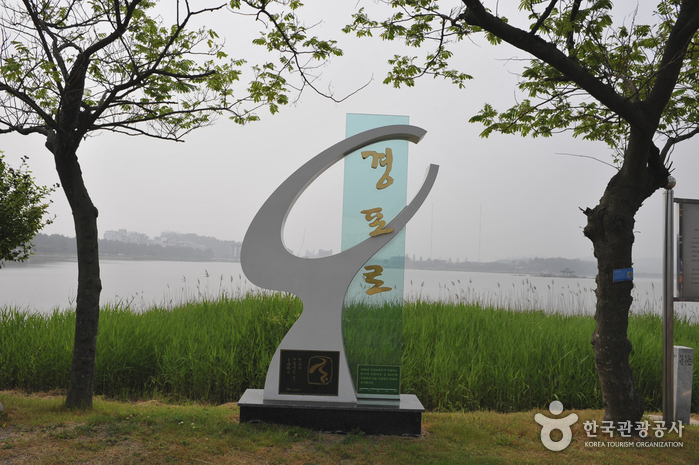
Gyeongpo Provincial Park was officially opened on June 26, 1982. It houses many cultural assets and memorial sites centered around Gyeongpodae Pavilion, Gyeongpoho Lake, and Gyeongpo Beach. One of the eight scenic spots in Gwandong (old name of Gangwon-do), Gyeongpodae is famous for viewing the moon, as well as fishing at Gyeongpoho Lake. However, fishing is now prohibited due to the lake being designated as a natural protection area.
Gyeongpo Beach is thought to be the best beach on the East Coast. The crystal waters of Gyeongpo Beach, elegant Gyeongpoho Lake, Gyeongpodae Pavilion, Banghae Pavilion, Hohae Pavilion, Gyeongho Pavilion, and Gyeongyangsa Temple make Gyeongpo Provincial Park a great vacation attraction year round. Known as one of the most scenic locations in Gangwon-do, visitors can enjoy cherry blossoms in the spring, swimming in the summer, and deep-sea fishing and walking on the beach in the winter.
Daejin Beach (대진 해수욕장)
17.2Km 2025-07-30
46 Daejinhang-gil, Donghae-si, Gangwon-do
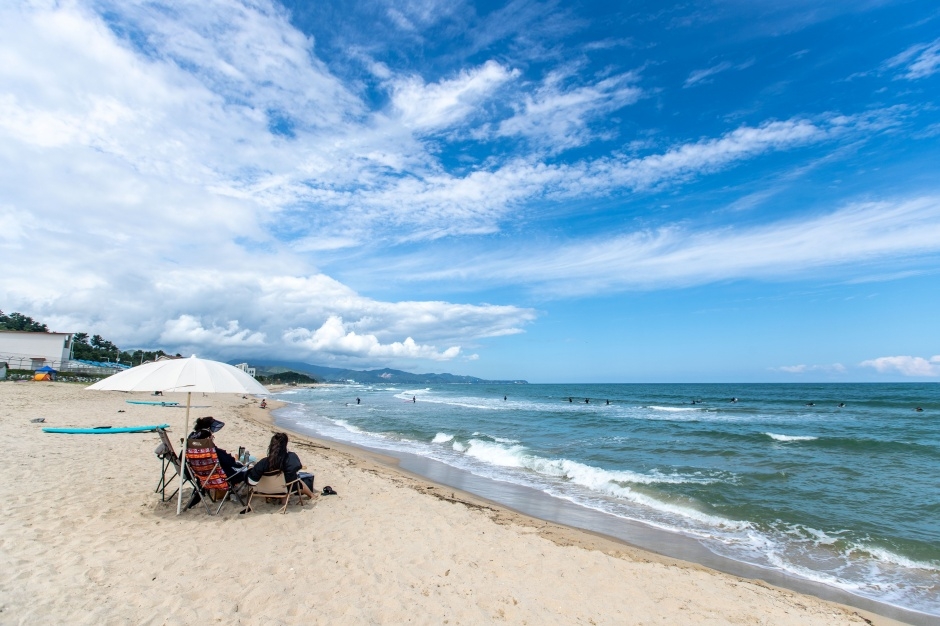
Daejin Beach is located between Eodalhaebyeon Beach and Mangsang Beach. The beach is characterized by shallow waters and gentle waves, making it a popular spot among families with children or beginner surfers. In addition to swimming, the beach is also known for its nearby port, Daejin Port. The port has small boats come and go with their catch and is lined with restaurant that serve fresh seafood. It's also a popular shore fishing site among the locals who enjoy recreational fishing.

Sacheon Beach (사천해변(사천해수욕장))
17.4Km 2022-12-26
San 282-1, Sacheonjin-ri, Gangneung-si, Gangwon-do
+82-33-640-5422
Nestled between Gyeongpodae Beach and Yeongok Beach, Sacheon Beach is a clean and quiet beach covering an area of 18,000 ㎡ over a length of 300 meters. The beach opened on July 1, 1975; due to its close location to Gyeongpo Provincial Park, many vacationers choose to come here during the holidays. A thick pine forest spreads out against the beach, and the fine white sand and shallow waters make this area an ideal place for rest and relaxation.
Hill (모텔힐)
18.0Km 2024-12-19
43-12 , Bangdong-gil, Gangneung-si, Gangwon-do
+82-33-643-8985, +82-33-642-8985
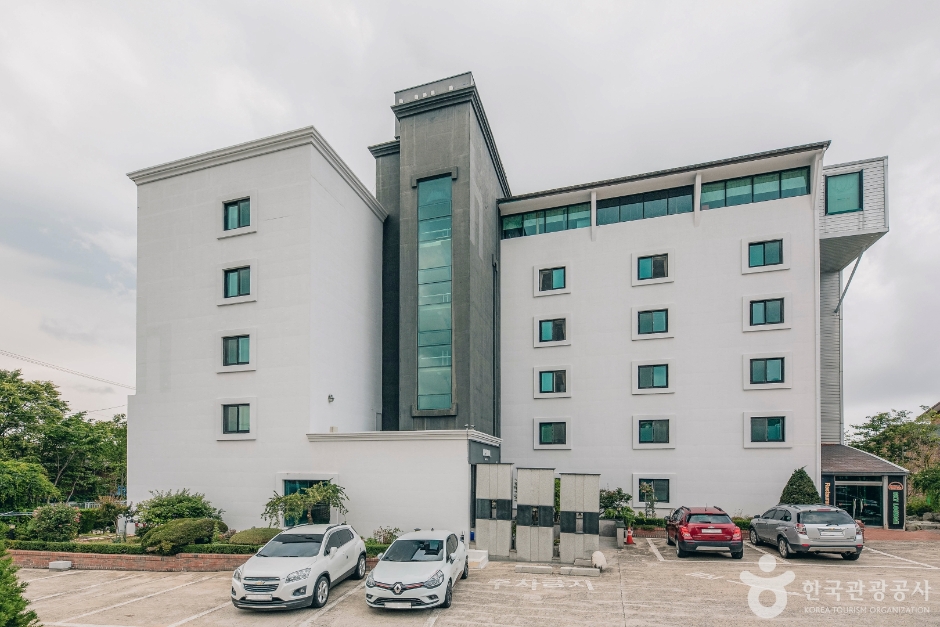
Motel Hill in Gangneung, Gangwon-do, is a six-floor white-painted motel whose guest rooms offer views of the East Sea. A promenade leads from the accommodation to Sacheon Beach, so residents can contemplate the ocean while taking their morning walk. The motel is 10 minutes away from downtown Gangneung, and nearby tourist attractions incude Gyeongpo Beach, Jumunjin Beach, Ojukheon, and the Geumgang River. The motel parking lot is big enough for tour buses.
Sacheonjin Port (사천진항)
18.1Km 2025-10-28
68-23 Jillihaebyeon-gil, Sacheon-myeon, Gangneung-si, Gangwon-do
◎ Travel information to meet Hallyu’s charm - TV series"Encounter"
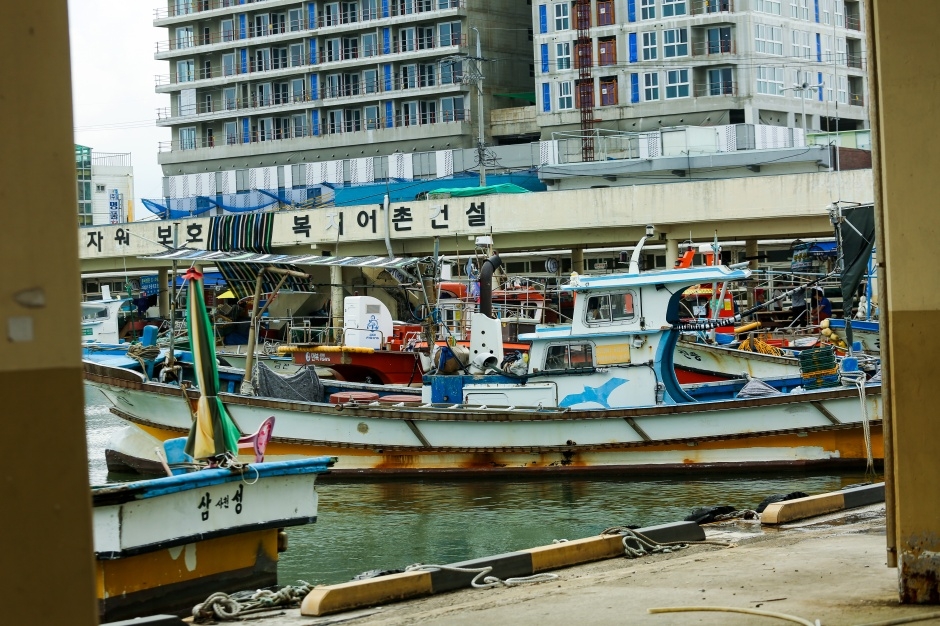
Sacheonjin Port, where Soo-hyun and Jin-hyuk spent some time together by the beach, is a charming port village as pure and peaceful as the laughter of the two leads. There’s plenty of restaurants that serve seafood nearby, so you can enjoy a nice meal by the sea as well.
Sacheonjin Port, where Soo-hyun and Jin-hyuk spent some time together by the beach, is a charming port village as pure and peaceful as the laughter of the two leads. There’s plenty of restaurants that serve seafood nearby, so you can enjoy a nice meal by the sea as well.
Daegwallyeong Museum (대관령박물관)
18.2Km 2021-07-22
1, Daegwallyeongyet-gil, Gangneung-si, Gangwon-do
+82-33-660-3830
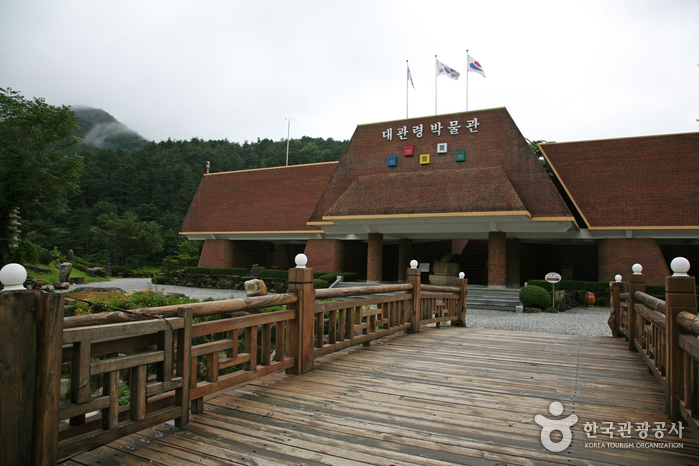
Daegwallyeong Museum is located in Gangneung-si, Gangwon-do. It is housed in a building that resembles a dolmen, striking a balance with the surrounding landscape and earning it an Outstanding Architecture Award from the Construction Association of Korea and the Best Award from Gangwon-do.
The museum has six exhibition halls, including those that are named after the guardian gods that represent the four directions. Cheongnyongbang (Room of the Blue Dragon - East) is decorated in blue and displays celadon and traditional ceramics. Baekobang (Room of the White Tiger - West) is in white and exhibits Buddhist art and wooden dolls. Jujakbang (Room of the Red Vermillion - South) is in red and displays a bridal palanquin, folk paintings, and calligraphy. The black Hyeonmubang (Room of the Black Turtle - North) displays bronze relics. Also, there is the Togibang (Earthenware) showing Prehistoric era shacks and earthenware, and Uribang, exhibiting wooden furniture and folk craftwork. The outdoor space offers an exhibit of stone pagodas and statues as well as a thatched cottage and an operating water mill.
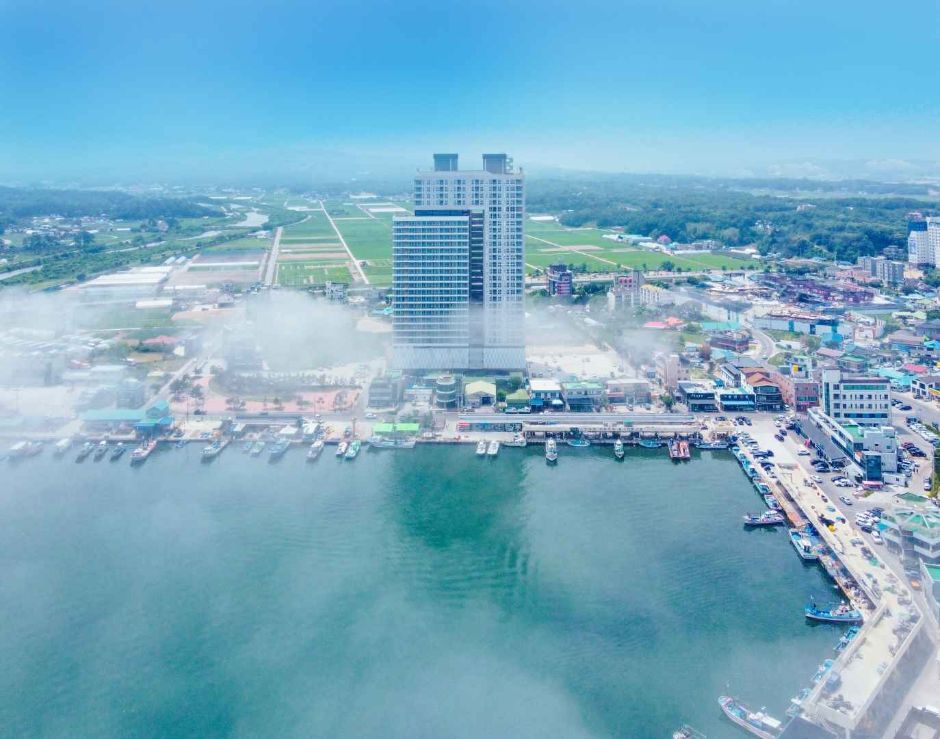
Chonpines Ocean Suite Hotel (컨피네스 오션 스위트 호텔)
18.3Km 2024-10-04
5 Jillihanggu 2-gil, Sacheon-myeon, Gangneung-si, Gangwon-do
Chonpines Ocean Suite Hotel is a 4-star hotel that offers a relaxing environment for visitors. Opened in July 2022 as a family-friendly accommodation, the hotel offers rooms with separated living room and bedroom spaces, a balcony, and kitchen facilities. Additionally, the hotel has the highest rooftop infinity pool in Gangneung, as well as a BBQ zone and restaurant for convenient dining.
 English
 한국어
한국어 日本語
日本語 中文(简体)
 Deutsch
 Français
 Español
 Русский


