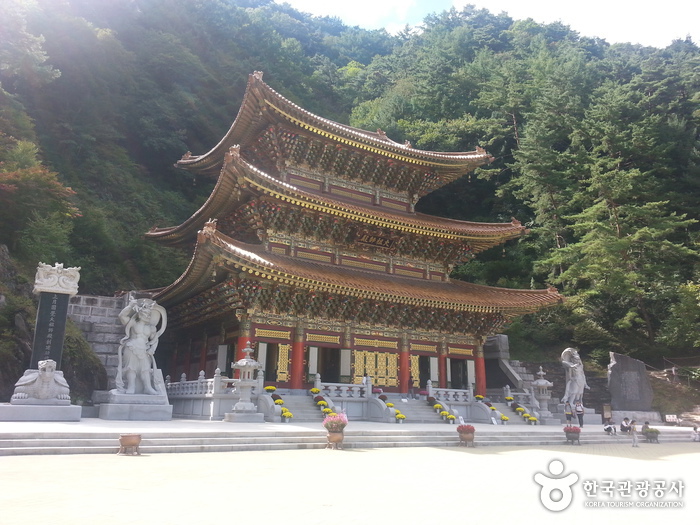
Guinsa Temple (Danyang) (구인사(단양))
17.3Km 2024-03-15
73 Guinsa-gil, Yeongchun-myeon, Danyang-gun, Chungcheongbuk-do
+82-43-423-7100
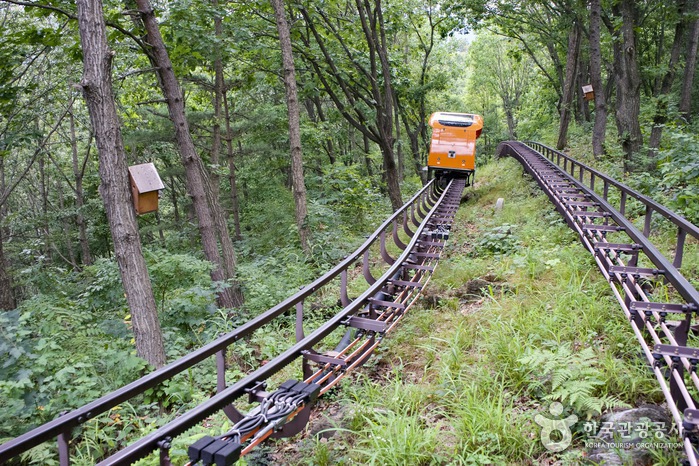
Cheongpungho Scenic Monorail (청풍호 관광모노레일)
17.9Km 2024-03-13
879-17 Cheongpungmyeongwol-ro, Cheongpung-myeon, Jecheon-si, Chungcheongbuk-do
+82-43-653-5120
The Cheongpungho Scenic Monorail offers a unique journey along a three-kilometer track from Dogok-ri in Cheongpung-myeon, Jecheon, to Bibongsan Mountain, situated at 531 meters above sea level. Typically, reaching the summit of Bibongsan Mountain on foot from Dogok-ri takes about an hour. However, the monorail service significantly reduces this time by half. Additionally, passengers can enjoy panoramic views of Cheongpungho Lake from various perspectives during their ride.

Geumwolbong Peak (금월봉)
18.5Km 2024-02-26
1316 Cheongpungho-ro, Geumseong-myeon, Jecheon-si, Chungcheongbuk-do
Geumwolbong Peak is a unique, small rocky mountain distinguished by its diverse shapes that blend a touch of artificiality with natural beauty. This site, initially a limestone mine, unveiled its striking rock formations in 1993. The resemblance of these rocks to the Manmulsang (Ten Thousand Rocks) of North Korea's Geumgangsan Mountain earned it the nickname "Little Geumgangsan Mountain." It was later officially renamed Geumwolbong Peak.
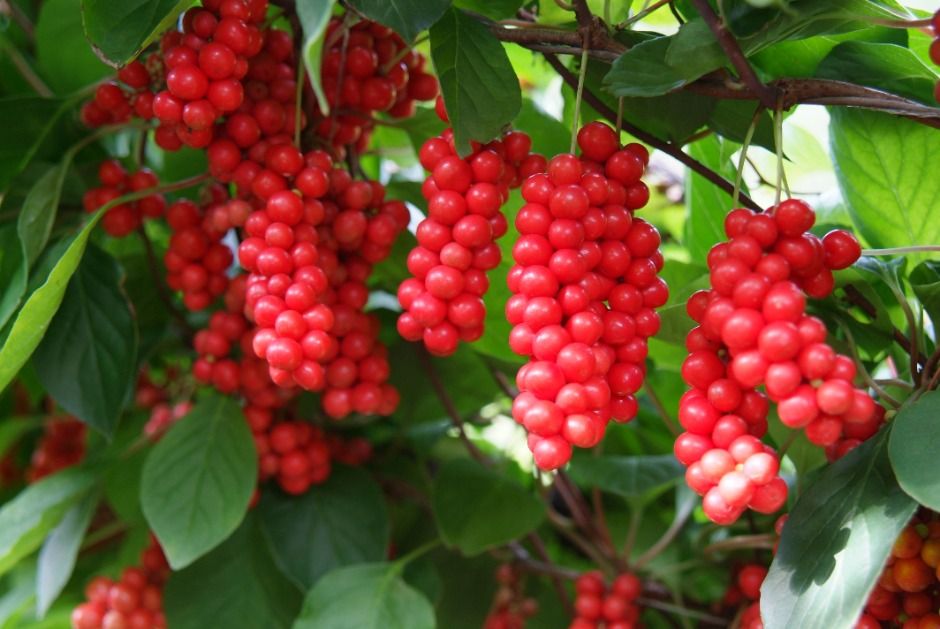
Mungyeong Omija Festival (문경오미자축제)
19.0Km 2025-08-14
20-1 Beoljaejangteo-gil, Dongno-myeon, Mungyeong-si, Gyeongsangbuk-do
+82-54-550-6889
Mungyeong Omija is produced in a clean environment at an altitude of 300-700 meters with eco-friendly methods in the Baekdudaegan Mountain Range. It has been designated as the only Omija Special Industrial Zone in the country, producing about 45% of the Omija production of the country.
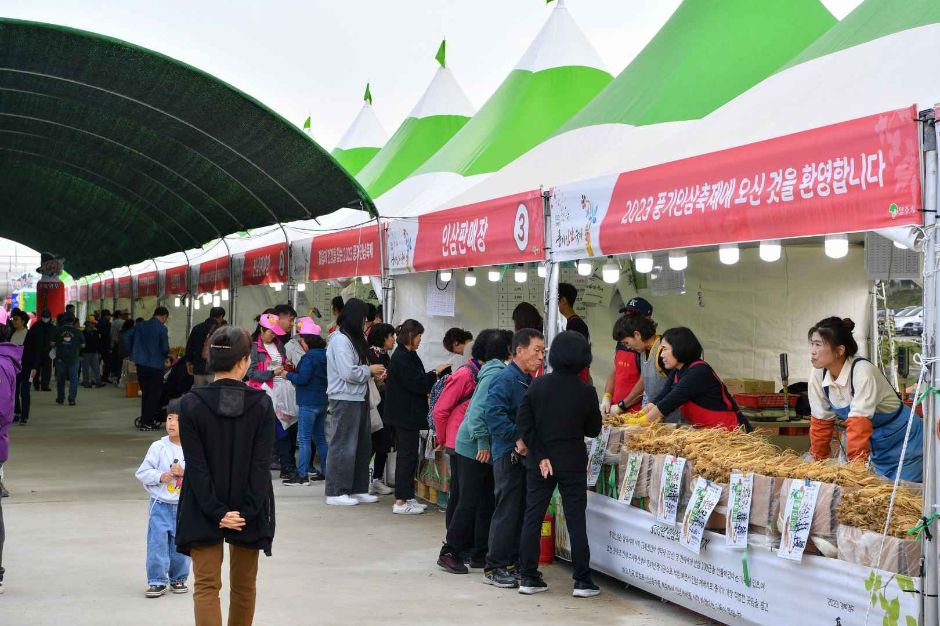
Yeongju Punggi Insam Festival (경북영주 풍기인삼축제)
19.6Km 2025-07-11
Seongnae-ri, Punggi-eup, Yeongju-si, Gyeongsangbuk-do
+82-54-639-6612
Ginseng is a well-known traditional Korean medicinal herb. High quality ginseng in Korea is mostly produced in Punggi, a region in Yeongju, Gyeongsangbuk-do, and the place where the Punggi Ginseng Festival takes place. The festival features health-related exhibits and offers opportunities to taste healthy ginseng dishes at the ginseng cooking exhibition. Visitors can also participate in Punggi ginseng-related interesting activities such as making Punggi ginseng wine and peeling ginseng in the traditional Korean way. The festival offers a variety of ginseng products, including fresh ginseng, original ginseng, red ginseng, and ginseng processed foods, which are all grown by local farmers in Yeongju and sold at reasonable prices. Additionally, the festival showcases local specialties and symbols such as ginseng and Yeongju apples through oil lantern displays along Namwoncheon Stream. With so many attractions, visitors are sure to have a great time at the festival.
 English
 한국어
한국어 日本語
日本語 中文(简体)
 Deutsch
 Français
 Español
 Русский


