![Hongneung and Yureung Royal Tombs [UNESCO World Heritage] (남양주 홍릉(고종과 명성황후)과 유릉(순종과 순명,순정 황후) [유네스코 세계문화유산])](http://tong.visitkorea.or.kr/cms/resource/20/2005620_image2_1.jpg)
Hongneung and Yureung Royal Tombs [UNESCO World Heritage] (남양주 홍릉(고종과 명성황후)과 유릉(순종과 순명,순정 황후) [유네스코 세계문화유산])
6.4Km 2021-07-19
352-1, Hongyureung-ro, Namyangju-si, Gyeonggi-do
Hongneung and Yureung Royal Tombs is Historic Site No. 207. Hongneung Tomb is the resting place of Emperor Gojong and his wife Empress Myeongseong, while Yureung Tomb is the resting place of Emperor Sunjong, his first wife Empress Sunmyeonghyo, and his second wife, Empress Sunjeonghyo. Hongneung and Yureung look different from other royal tombs. When the name of the country changed from the Joseon dynasty to the Daehan Empire, the rulers of Korea were called emperors. Therefore, the tombs of the two emperors were modeled after the tomb of the Ming dynasty’s ruler, King Taizu (Zhu Yuanzhang). Surrounding Hongneung and Yureung are statues carved in the shape of animals such as giraffes, elephants, and lions, which can’t be seen at the other royal tombs of the Joseon dynasty. The stonework of Hongneung tomb was made in a traditional way, while the stonework of Yureung tomb shows a more realistic and advanced technique.
![Namyangju Sareung Royal Tomb [UNESCO World Heritage] (남양주 사릉(정순왕후) [유네스코 세계문화유산])](http://tong.visitkorea.or.kr/cms/resource/44/2480844_image2_1.jpg)
Namyangju Sareung Royal Tomb [UNESCO World Heritage] (남양주 사릉(정순왕후) [유네스코 세계문화유산])
6.7Km 2023-06-22
180, Sareung-ro, Namyangju-si, Gyeonggi-do
Sareung Royal Tomb is the tomb of Queen Jeongsun (1440-1521), a consort to King Danjong. She was perhaps the most tragic royal woman of the Joseon dynasty.
In 1453, she was selected to be queen out of many candidates and actually became the queen two years later. However, when King Danjong was forced to abdicate from the throne in 1457 and was exiled to Yeongwol in Gangwon-do, Queen Jeongsun was deprived of her title as well.
After King Danjong died, she built a thatched-roof house outside Seoul’s Dongdaemun Gate and lived there for the rest of her life, continuing to mourn her husband. The tomb’s name, Sareung, came from the fact that she had missed her dead husband so much.
Unlike other royal tombs, Sareung looks very simple. Its size is relatively small.
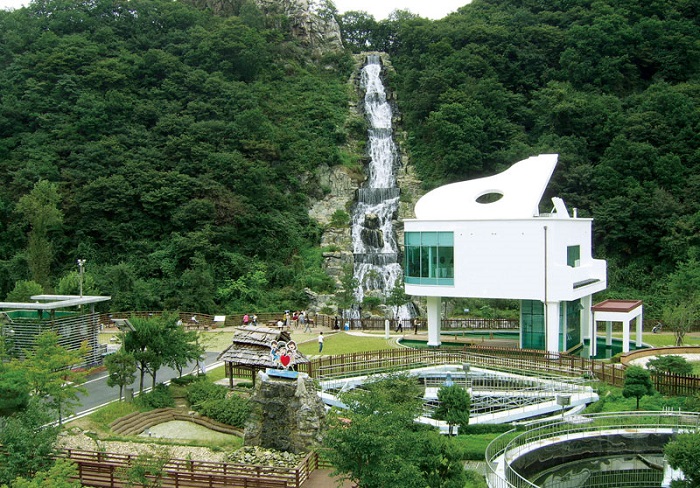
Hwado Pureunmul Center Pianopokpo Falls (화도푸른물센터 피아노폭포)
7.5Km 2024-02-21
562 Pokpo-ro, Hwado-eup, Namyangju-si, Gyeonggi-do
Located within the Hwado Pureunmul Center, the 61-meter tall Pianopokpo Falls is an artificial waterfall. It is constructed with a steel frame and an artificial rock structure to mimic a cliff-like appearance. The waterfall operates by pumping water discharged from the sewage treatment plant, creating a cascading flow. Opposite the falls stands a building shaped like a piano, which has won the "Beautiful Restroom" grand prize. Additionally, an ecological park has been developed in front of the waterfall, offering a pleasant walking experience.
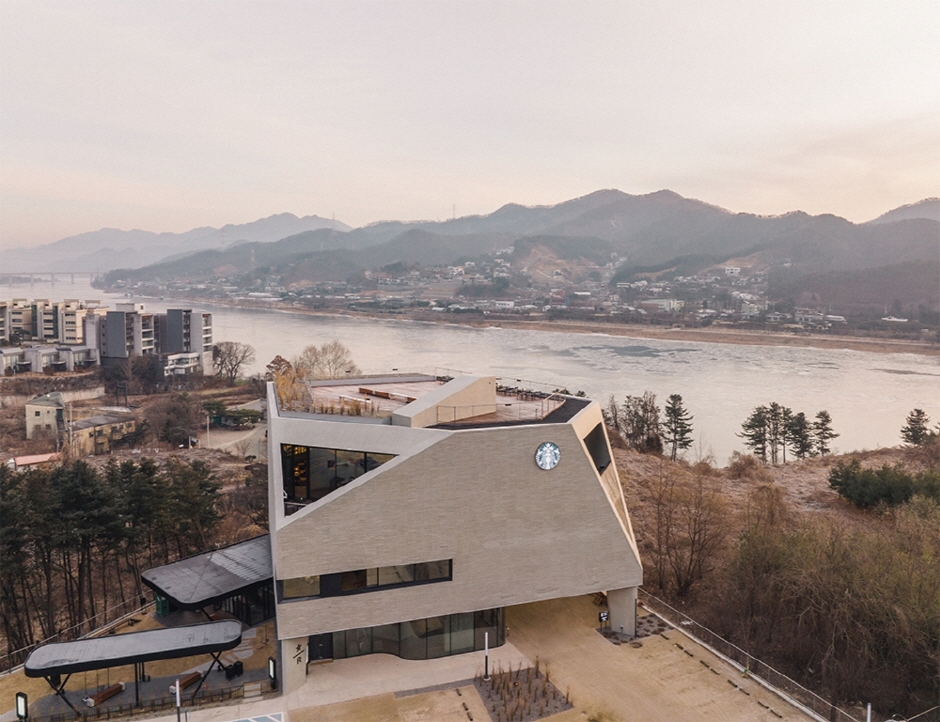
Starbucks The Buckhangang R (스타벅스 더북한강R)
8.5Km 2024-12-27
1098 Bukhangang-ro Hwado-eup, Namyangju-si, Gyeonggi-do
Enjoy Reserve coffee while enjoying the view of Bukhangang River and make special memories with your pet
Starbucks The Bukhan River R is a special store where you can enjoy a view of Bukhangang River with Reserve beverages, various specialty foods and merchandise.
It is Korea’s first pet-friendly store where you can make special memories with your pet in the special pet zone on 1F.
The store offers various customer experiences from natural landscape, to expansive parking spaces, EV charging station, and a rooftop on 3F.
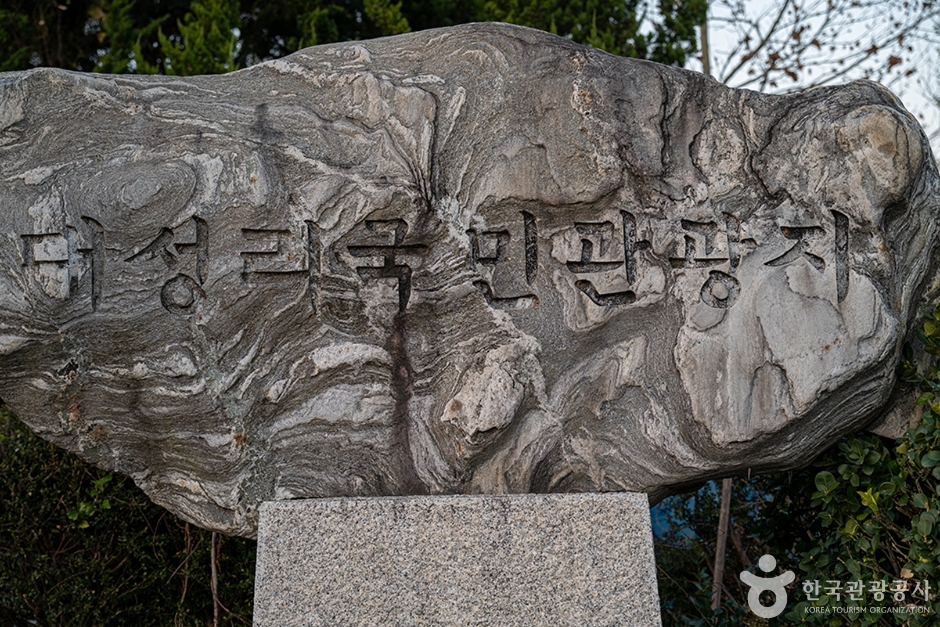
Daeseong-ri National Tourist Site (대성리 국민관광지)
9.9Km 2024-02-19
601-1 Daeseong-ri, Cheongpyeong-myeon, Gapyeong-gun, Gyeonggi-do
Daeseong-ri National Tourist Site, nestled along the Bukhangang River, is a recreational area that offers walking trails, picnic areas, campgrounds, and forest paths. A highlight of the area is the Daeseong-ri Bukhangang Cherry Blossom Street, located between the Bukhangang River and the Daeseong-ri National Tourist Site. This street is renowned for its spectacular cherry blossoms that bloom every April, attracting numerous visitors for cherry blossom viewing. Additionally, the area is equipped with various water leisure facilities, offering visitors an opportunity to enjoy a range of water-based activities.
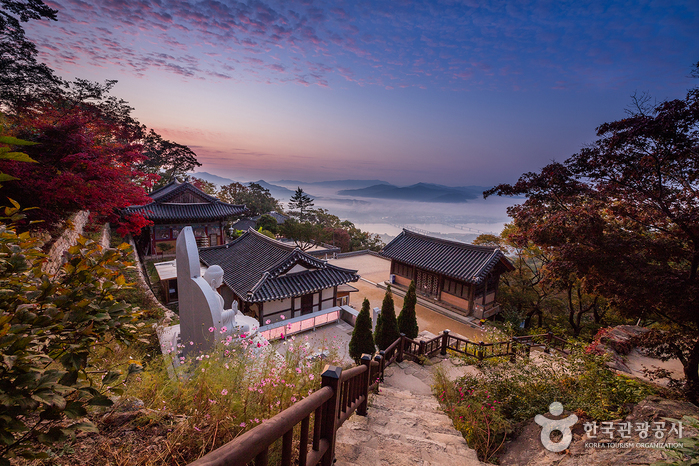
Sujongsa Temple (수종사)
10.5Km 2023-06-22
186, Bukhangang-ro 433beon-gil, Namyangju-si, Gyeonggi-do
Sujongsa Temple is a branch temple of Bongseonsa Temple, located near the top of Ungilsan Mountain. Amazing views from Sujongsa Temple include various mountaintops and the Bukhangang River. While records are not entirely clear, it is believed that the temple was built in 1439 during the Joseon period. The temple went through many reconstructions and expansions, but ultimately was entirely destroyed during the Korean War. In 1975, Monk Hyegwang began reconstructing the temple, starting with Daeungbojeon Hall and slowly expanded the temple site subsequently.
Chungnyeongsan Mountain (축령산)
11.0Km 2024-02-06
299 Chungnyeongsan-ro, Sudong-myeon, Namyangju-si, Gyeonggi-do
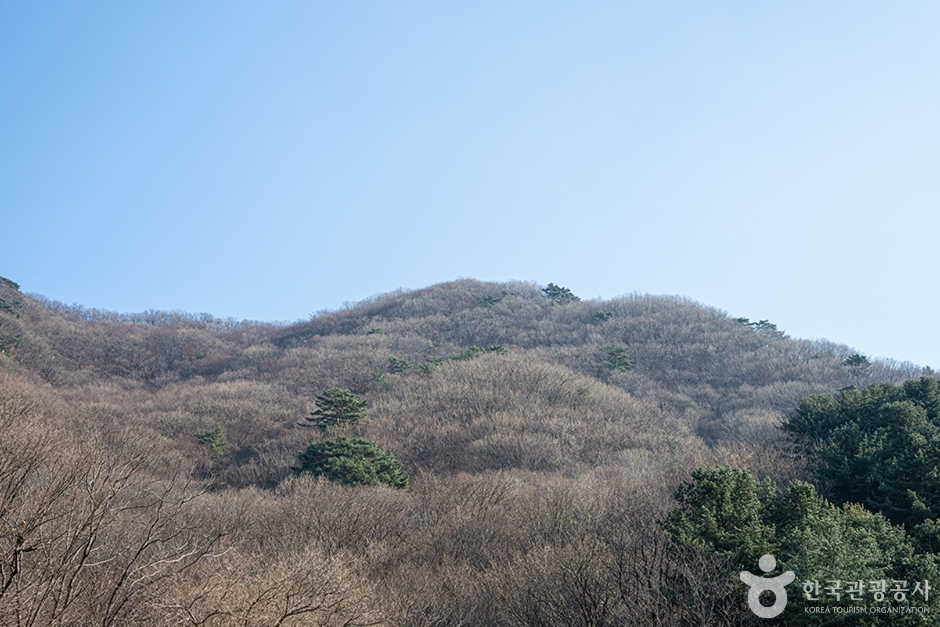
Chungnyeongsan Mountain is historically significant, with its connection to King Taejo Yi Seonggye, the founder of the Joseon dynasty. To the west, it boasts the lush Chungnyeongsan Recreational Forest, home to dense sixty-year-old nut pine trees, while to the east lies the Garden of Morning Calm. Standing at an elevation of 879 meters, the mountain offers three hiking trails. The summit provides an exceptional view, particularly in autumn, when it becomes a prime spot for enjoying the colorful foliage.

PRAUM Musical Instrument Museum (프라움악기박물관)
11.1Km 2024-02-21
756 Gyeonggang-ro, Wabu-eup, Namyangju-si, Gyeonggi-do
PRAUM Musical Instrument Museum is designed in a European style, featuring high arches and balconies. It showcases the history of music and displays various musical instruments from around the world. Visitors have the unique opportunity to play some of these instruments and listen to their sounds. Additionally, the museum hosts regular musical concerts every Wednesday.
The Garden of Morning Calm (아침고요수목원)
11.7Km 2025-10-23
432 Sumogwon-ro, Sang-myeon, Gapyeong-gun, Gyeonggi-do
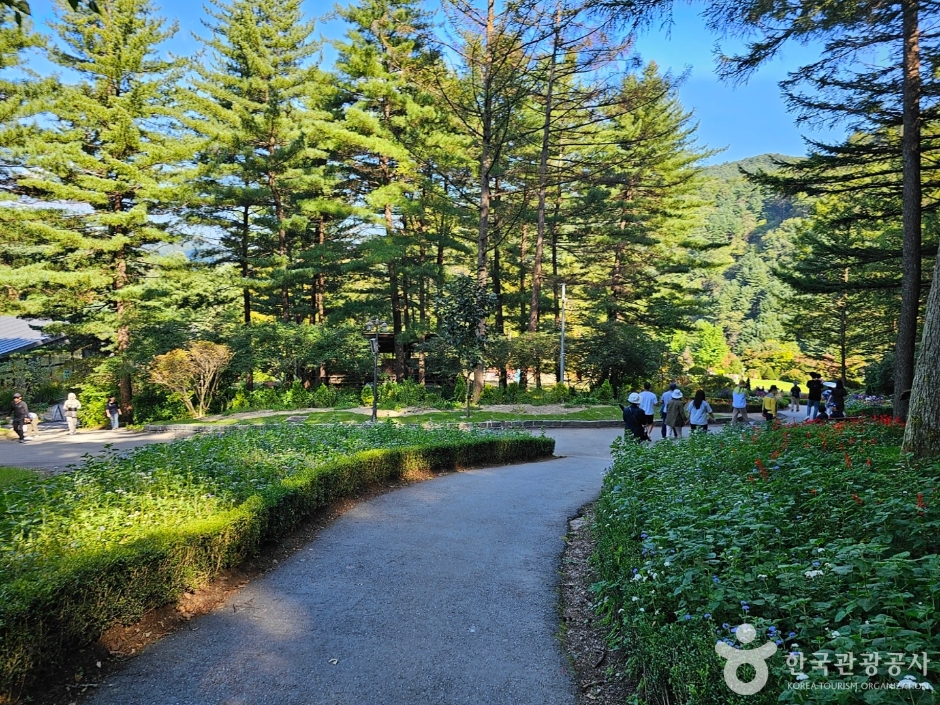
The Garden of Morning Calm, nestled against the splendid backdrop of Chungnyeongsan Mountain, is a horticultural haven that blends the essence of Korean beauty with a diversity of themed gardens. Designed by Professor Han Sang-kyeong from Sahmyook University, this arboretum, which opened in May 1996, offers a tranquil retreat with forest paths and a dense pine nut grove for those escaping the bustle of the city. Its twenty thematic gardens are interwoven with well-kept grassy expanses, vibrant flower displays, and inviting nature trails. Among these, the Sunken Garden stands out, artfully representing the Korean Peninsula and its stunning landscapes using a rich array of blooming flowers, capturing the admiration of those who visit. Beyond this, the arboretum is home to an impressive collection of plant life, featuring more than 5,000 different species, including more than 300 varieties native to Baekdusan Mountain.
Lighting Festival at The Garden of Morning Calm (아침고요수목원 오색별빛정원전)
11.7Km 2025-11-14
432 Sumogwon-ro, Gapyeong-gun, Gyeonggi-do
+82-1544-6703
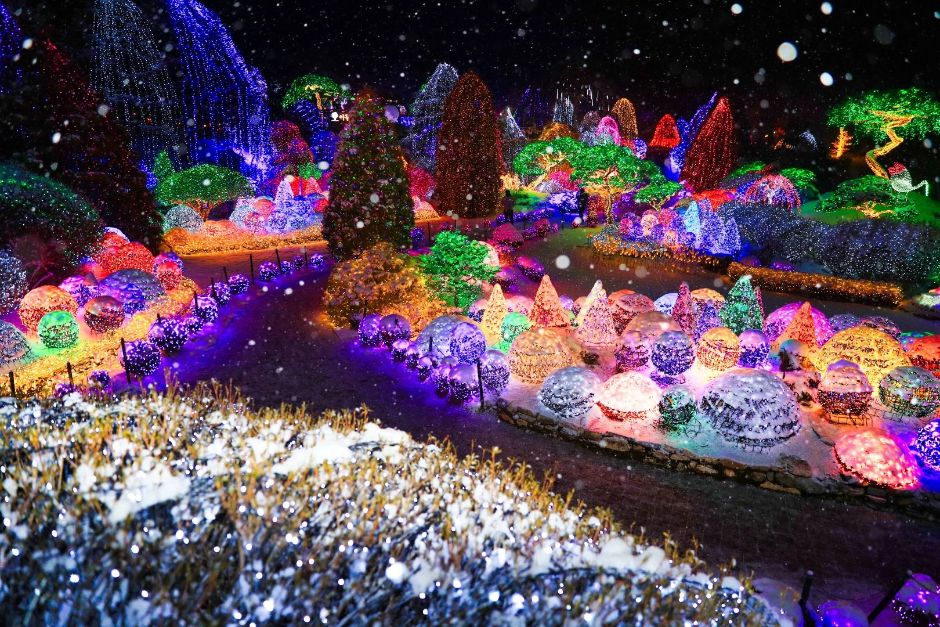
Held at the Garden of Morning Calm, the Lighting Festival was the first light festival in Korea to combine the natural surroundings with lights, covering 330 thousand square meters. Held from December to March, the environmental-friendly LED lights shine throughout the garden.
 English
 한국어
한국어 日本語
日本語 中文(简体)
 Deutsch
 Français
 Español
 Русский


