Seoul Folk Flea Market (서울 풍물시장)
2.6Km 2025-04-11
21 Cheonho-daero 4-gil, Dongdaemun-gu, Seoul
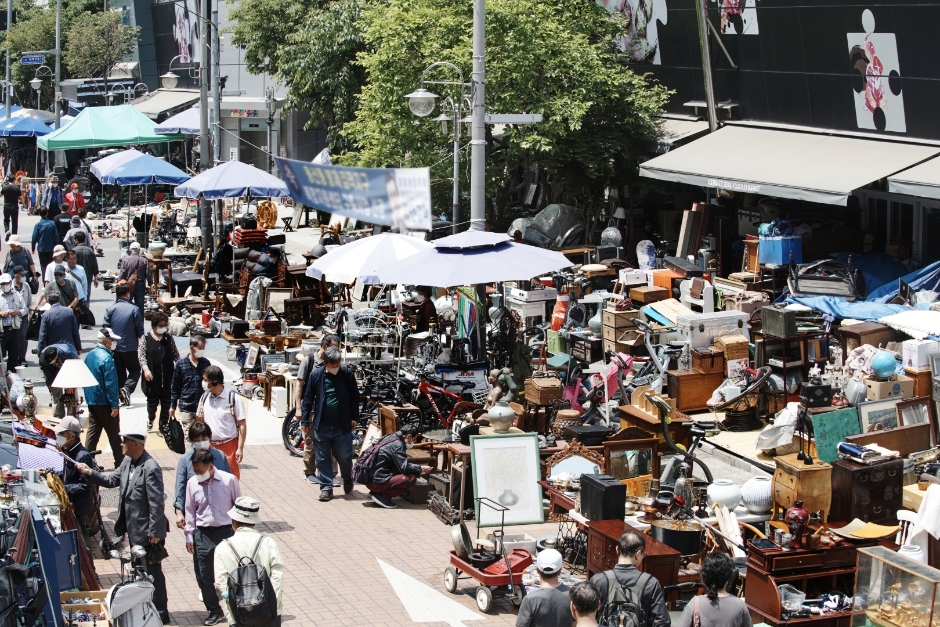
The Seoul Folk Flea Market is located around Cheonggyecheon Stream's Hwanghakgyo Bridge and Sinseol-dong Station and is on its way to becoming a famous tourist attraction along with the already famous Cheonggyeocheon Stream. The Seoul Folk Flea Market is one of the major folk flea markets preserving the culture of the traditional Korean marketplace and drawing in visitors with a range of folk items that embody the unique charm of Korea. Folk items include everyday items, souvenirs, traditional goods and even traditional foods, allowing visitors to enjoy shopping and eating all under the same roof.
The Seoul Folk Flea Market originated from the flea market in Hwanghak-dong where many street shops and vendors gathered around Cheonggyecheon Stream before it was restored and modernized into its current state. The market was relocated to the Dongdaemun History & Culture Park (Formerly Dongdaemun Stadium) while the Cheonggyecheon Stream was undergoing restorations, and was moved back to Cheonggyecheon Stream sometime later. Seoul City aims to market Seoul Folk Flea Market as a new shopping spot at its current location, the former site of Sungin Girls' Middle School on Cheonggyeo 8-ga Street, near Cheonggyeocheon Stream to develop the Korean representative folk flea market-related tourism industry.
The main items of the Seoul Folk Flea Market include a diverse range of folk items, traditional crafts, local specialties and fashion items. You may also enjoy a range of foods and snacks including traditional Korean food and fusion cuisine from all over the world. What is special about the market is that you can find rare goods and authentic traditional items that cannot be found at other markets. The market atmosphere is a mix of old, revered traditions and modern aspects, providing visitors with a great shopping experience. The Seoul Folk Flea Market is truly a traditional flea market well worth visiting.

Korea Medical Tourism Promotion Association ((사)대한의료관광진흥협회)
2.7Km 2025-10-23
(#601) 29-3 Saemunan-ro 9-gil, Jongno-gu, Seoul
The Korea Medical Tourism Promotion Association aims to attract over 100,000 medical tourists within three years by establishing a structured system for attracting medical tourists, training specialized personnel, and supporting both domestic and international medical tourism. With the increasing number of foreign visitors coming to Korea for various purposes beyond tourism, such as international conferences, business, and exhibitions, there is a growing need for specialized services.
Plans is a company that can meet all these diverse customer needs. ceremonial arrangements, tours, and events often proceed irregularly due to changes in weather, group size, and transportation. To address these variables, Plans, the plural form of "Plan," represents a company that is always prepared from start to finish. It is a leading VIP travel agency in Korea, tailored to meet the needs of its clients.
Gwanghwamun Hanokjip (광화문한옥집)
2.7Km 2024-10-15
7, Saemunanro5ga-gil, Jongro-gu, Seoul
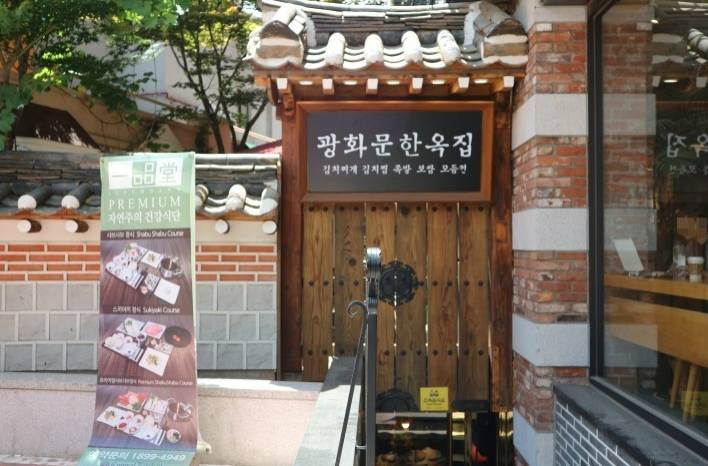
A store with rooms reproducing a traditional kitchen. The best menu at this restaurant is napa wraps with pork. This is a Korean cuisine located in Gwanghwamun Gate, Seoul.
Myth Jokbal Myeongdong (미쓰족발명동)
2.7Km 2024-10-15
21, Myeongdong 3-gil, Jung-gu, Seoul
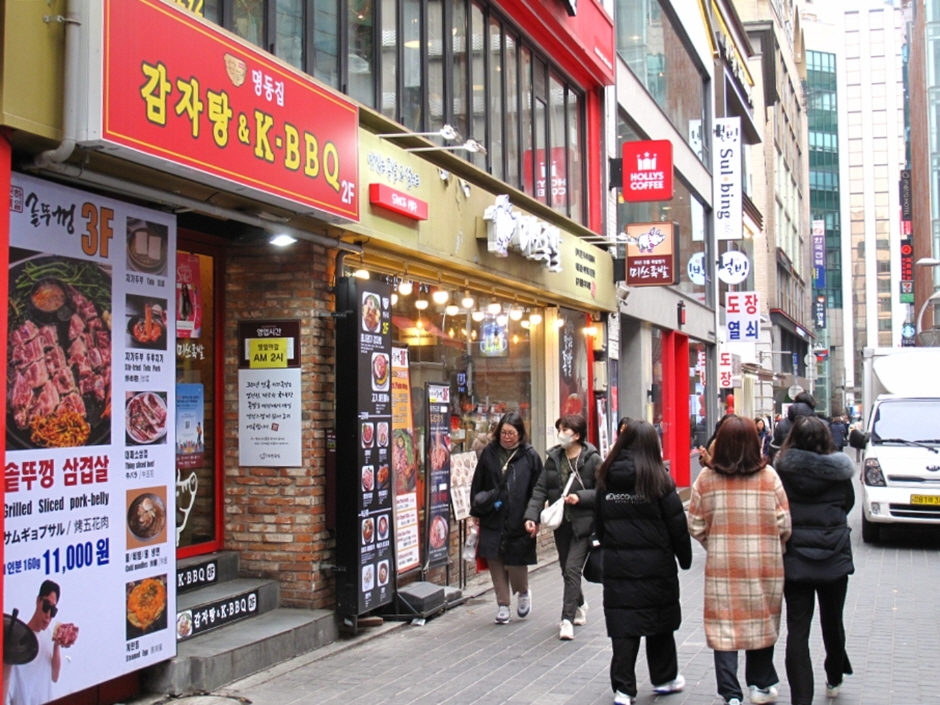
This restaurant specializes in Jokbal (Braised pigs' feet) and Bossam (Napa wraps with pork), both of which are served with vegetable wraps and salad. Jokbal (Braised pigs’ feet) is prepared by braising pigs' feet in spiced stock, a process that removes excess fat, enhances the flavor, and gives the meat a chewier texture. Each order of Jokbal (Braised pigs' feet) is accompanied by Kongnamulkimchiguk (Bean sprout and kimchi soup), to which Kalguksumyeon (Noodles) are added. For those who find the dishes too spicy, the restaurant offers a self-serve Jumeokbap (Riceball), featuring laver flakes, pickled radish, and mayonnaise to cool the palate.
Lime Tree Dental Hospital (라임나무치과병원)
2.7Km 2025-10-23
7F, 43 Myeongdong-gil, Jung-gu, Seoul
Located in Myeong-dong, the heart of Seoul tourism, Lime Tree Dental Hospital is a hospital-grade medical institute. It is led by In-su Kim, the Chief Director with 27 years of experience, and it has a team of specialists covering different departments. This hospital boasts superb accessibility as it is right near Myeong-dong Station (Subway Line 4) and Euljiro 1(il)-ga Station (Subway Line 2).
Skilled medical staff in esthetic prosthodontics are in charge of procedures such as One-day Veneer and All Ceramic Crowns. Additionally, medical staff who have experience placing over 35,000 dental implants directly perform implant procedures.
A leader in K-medicine, Lime Tree Dental Hospital is committed to giving customers the utmost satisfaction.
STAY dayoff (스테이 데이 오프)
2.7Km 2024-12-23
6 , Jahamun-ro 1da-gil, Jongno-gu, Seoul
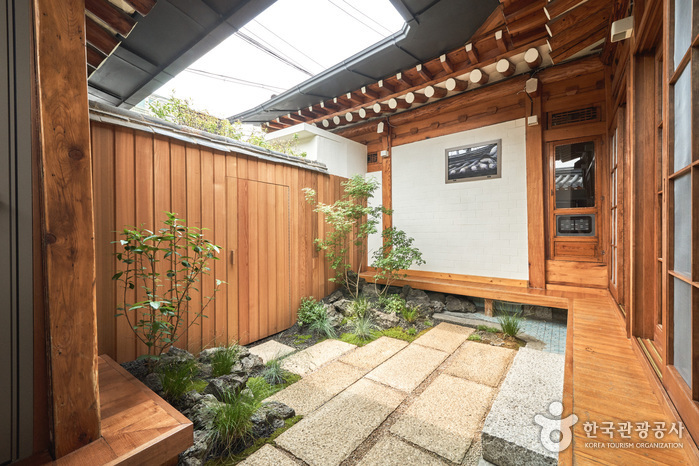
Stay Day Off is a hanok stay just off Jahamun-no - known locally as ‘Food Street’ - in Seochon Village to the west of Gyeongbokgung Palace in Seoul. It’s a 5-minute walk from Gyeongbokgung Station on Subway Line 3, so transport access is good. The main building comprises two bedrooms with queen-size bed, a living room and kitchen, and two bathrooms. The annex building is rather special: it has a bath and sauna behind a window wall with a fine view of the hanok garden. There’s a 10% discount for guests staying more than two nights during the week.
Sangchonjae House (상촌재)
2.7Km 2025-11-06
12-11 , Jahamun-ro 17-gil, Jongno-gu, Seoul
Sangchonjae House, run by the Jongno Cultural Foundation, is a traditional hanok cultural space located in Sejong Village, Ogin-dong, Jongno-gu, and operates various cultural Korean programs such as exhibitions, educational experiences, and events to fully experience Korea's four seasons. The name Sangchonjae was conceived from the old name of Sejong Village, the western part of Gyeongbokgung Palace and the birthplace of King Sejong. The house reflects the lifestyle of an ordinary peasant during the Joseon dynasty. It consists of three buildings: the main building, the guesthouse known as sarangchae, and the annex. There is an experience center indoors offering tea ceremonies and traditional game experiences.
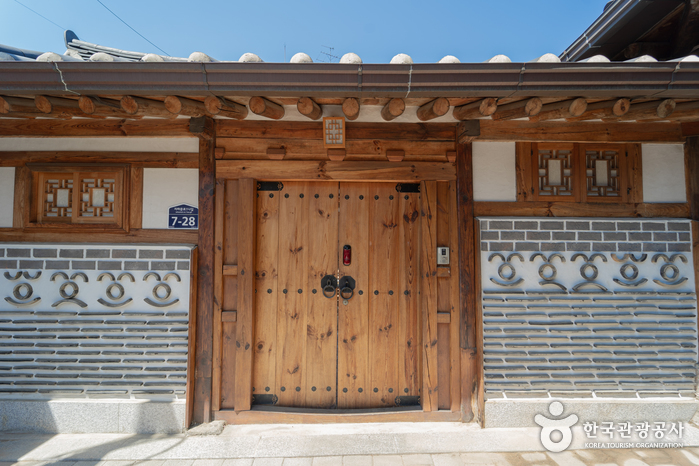
Seoul Hanok Stay (JNP Stay) (서울한옥스테이(jnpstay))
2.7Km 2024-10-30
7-28 , Jahamun-ro 1na-gil, Jongno-gu, Seoul
Seoul Hanok Stay (JNP Stay) is a private hanok stay located 3 minutes' walking distance from Gyeongbokgung Station. You can play traditional Korean games such as jejichagi (hacky sack), yut nori (board game), and tuho (arrow-throwing) in the yard, and cooking barbecue adds to the charm of the hanok. From the yard, you can enjoy the sky view, feel the gentle breeze, and observe raindrops falling from the eaves.
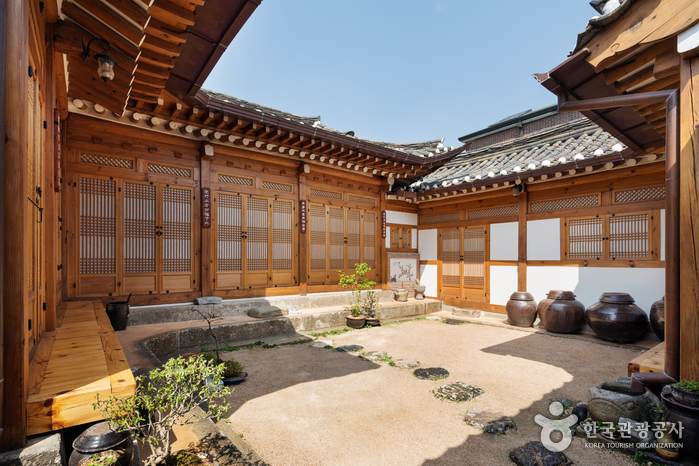
Hanok Guesthouse Dongchonchae (한옥 게스트하우스 동촌재)
2.7Km 2024-12-23
21-10 , Jahamun-ro 11-gil, Jongno-gu, Seoul
Dongchonjae is a hanok guesthouse in Seochon, Jongno, Seoul. The the Anchae(women's quarters) consists of four sleeping rooms and a cheongmaru lounge space, plus kitchen and toilet. (There are also shared toilets in the yard.) Cooking is not allowed, but guests are welcome to bring in prepared food. A free breakfast is provided. Guests can watch movies in the yard or main hall, and can use the refrigerator and washing machine. A guided night tour of Seoul City Wall is offered, as is a tea ceremony, and rice-cake making experience.
 English
 한국어
한국어 日本語
日本語 中文(简体)
 Deutsch
 Français
 Español
 Русский


