
Gyeonghuigung Palace (경희궁)
2.2Km 2024-07-09
45 Saemunan-ro, Jongno-gu, Seoul
Gyeonghuigung Palace, a designated Historic Site, was originally called the large palace by Saemun Gate, or the Western Palace, for its location within the city. It was not until the eighth year of Gwanghaegun (1616) that the palace was used as a royal residence for the king, changing the name to Gyeongdeokgung Palace. The name later changed again to the current Gyeonghuigung Palace in 1760. The palace grounds included many halls but they were mostly all burned down in a fire in 1829. After the Japanese occupation began, all remaining buildings on the site were torn down and the palace grounds were turned into Gyeongseong Middle School (now Seoul High School). The school moved to Gangnam area in 1987, afterwhich the previous location was turned into a park. The palace grounds currently hold Seoul Museum of Art and walking paths, as well as a restoration of Heunghwamun Gate, the main gate of the palace, and Sungjeongjeon Hall, the main hall, completed in November 1994.
The Children’s Museum of the National Folk Museum of Korea (국립민속박물관&국립민속박물관 어린이박물관)
2.2Km 2025-06-19
37 Samcheong-ro, Jongno-gu, Seoul
The Children’s Museum of the National Folk Museum of Korea, located within Gyeongbokgung Palace, showcases artifacts related to Korean traditional culture. This interactive museum allows children to experience and learn about various aspects of Korean traditional clothing, food, society, culture, and games firsthand. Especially catering to children from Asian countries, there is a service for renting items, and reservations are required for admission.
GRANDHAND. Gahoe (그랑핸드 가회점)
2.3Km 2025-12-04
61 Bukchon-ro 11-gil, Jongno-gu, Seoul
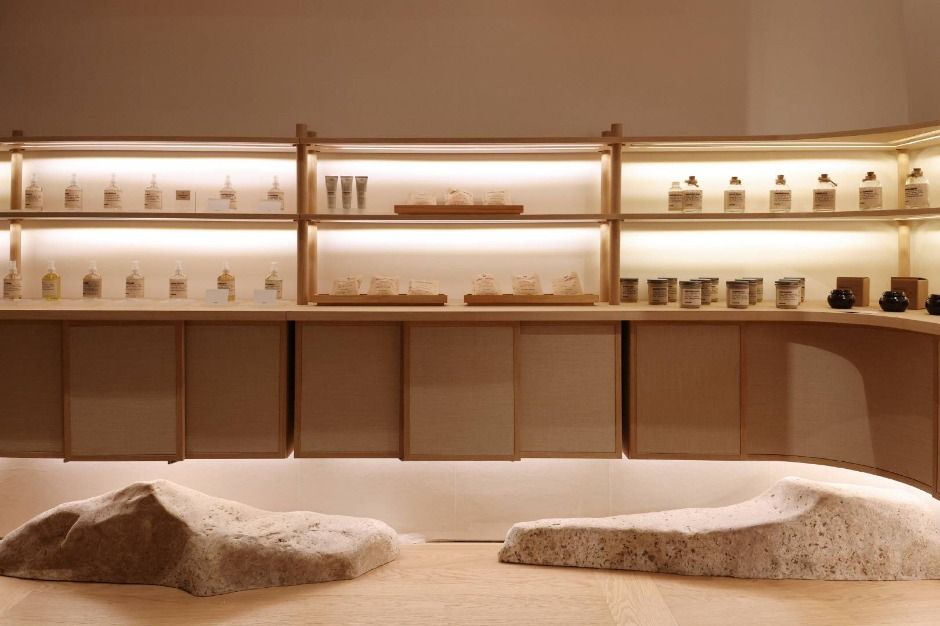
Launched in 2014 at a small hanok in Bukchon Hanok Village, this Korean perfume brand now has nine stores around Seoul. With no advertisements or online sales, GRANDHAND has preserved its roots for years. GRANDHAND. Gahoe located amidst the beautiful surroundings of Bukchon Hanok Village and various art museums has customers of all ages and nationalities.
Soul (소울)
2.3Km 2025-08-20
B1, 35 Sinheung-ro 26-gil, Yongsan-gu, Seoul
Soul is a fine-dining located in Hannam-dong. It presents reinterpretations of Korean cuisine, drawing inspiration from traditional dishes. The menu is structured into lunch and dinner courses. Known for its ability to artistically express familiar flavors encountered in daily life, Soul was selected for the 2023 Michelin Guide Seoul. Operating on a reservation-only basis, bookings can be made via phone.
Seoullo 7017 (서울로 7017)
2.3Km 2025-10-24
405, Hangang-daero, Jung-gu, Seoul
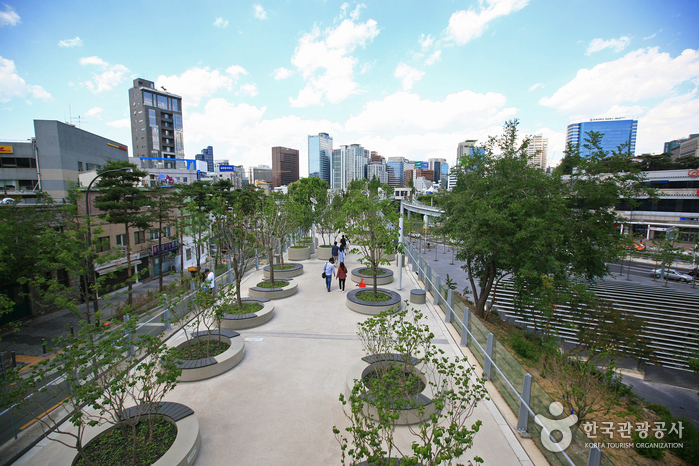
Originally opened in 1970, Seoullo 7017 was an elevated road that crossed over the Seoul Station railway, but when it became dilapidated and unusable for traffic, it was converted into a park in 2017. It is about 17 metres above the ground and offers a panoramic view of the Seoul Station Railway and the city of Seoul. It is directly connected to Seoul Station.
Sejong Village Food Street (세종마을 음식문화거리)
2.3Km 2025-06-17
Chebu-dong, Jongno-gu, Seoul
Previously known as Geumcheongyo Market, it was officially named Sejong Village Food Street in 2011, as King Sejong was born in this village. The street is full of lively energy and features both long-standing restaurants, also known as nopo in Korean, and recently established trendy eateries. Its convenient location and inviting atmosphere make it a popular place to visit.
Seoul Gyeonggyojang House (서울 경교장)
2.3Km 2021-09-15
29, Saemunan-ro, Jongno-gu, Seoul
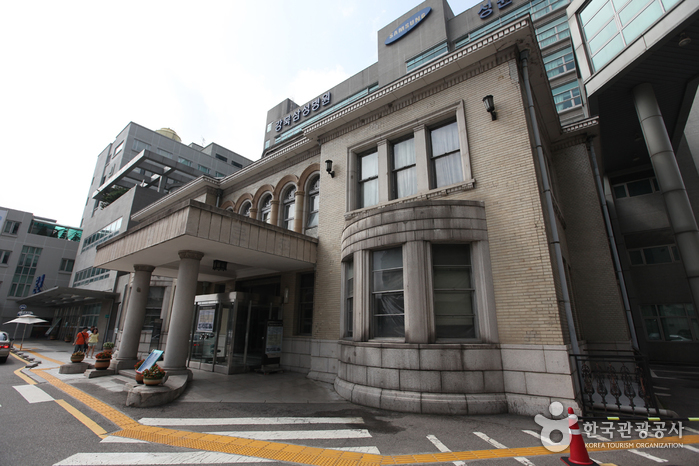
Gyeonggyojang House, a designated Historic Site, was the location of the provisional government and the place where Baekbeom Kim Koo passed away. Seoul reproduced the historical site, Gyeonggyojang House, to use the area as an educational site. Also, the house exhibits the history of the provisional government in order to see the history more clearly.
Restoration work included the demolition of the interior that was changed when the building was turned into a hospital facility and embassy after Kim Koo passed away in 1949. During the work, the remaining parts were maintained with the utmost care. Reconstructed parts were based on the building's floor plan written in Chosun and Architecture (8th edition in 1938). Visitors can see various contents related to the Korean Provisional Government history through relics, video, and information searching corners.
 English
 한국어
한국어 日本語
日本語 中文(简体)
 Deutsch
 Français
 Español
 Русский


