![Nike [Tax Refund Shop] (나이키)](http://tong.visitkorea.or.kr/cms/resource/82/3313582_image2_1.jpg)
![Kangol [Tax Refund Shop] (캉골)](http://tong.visitkorea.or.kr/cms/resource/75/3312975_image2_1.jpg)

Sejong Village Food Street (세종마을 음식문화거리)
2.1Km 2025-06-17
Chebu-dong, Jongno-gu, Seoul
Previously known as Geumcheongyo Market, it was officially named Sejong Village Food Street in 2011, as King Sejong was born in this village. The street is full of lively energy and features both long-standing restaurants, also known as nopo in Korean, and recently established trendy eateries. Its convenient location and inviting atmosphere make it a popular place to visit.
Dongdaemun Stationery Store Street (동대문 문구완구거리)
2.1Km 2024-03-15
21-1, Jong-ro 52-gil, Jongno-gu, Seoul
+82-2-1330
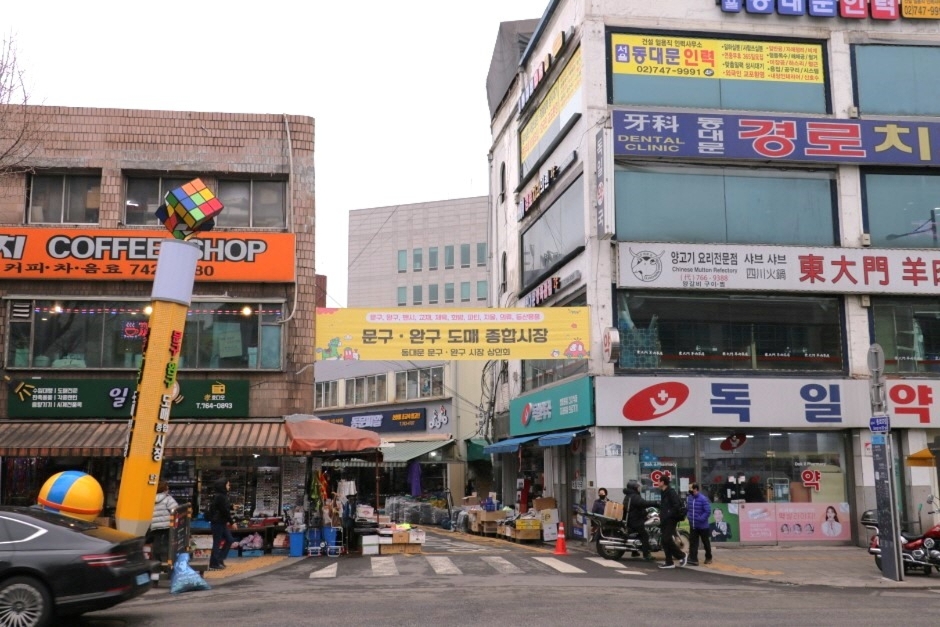
Dongdaemun Stationery Store Street houses nearly 120 stores selling stationery products like notebooks, crayons, pencils, backpacks, as well as other products like children’s gifts, decorations, and party products. Products can be found at prices nearly 30 to 40% lower than the consumer products, which can be lowered even further when buying in bulk. Products past the season may see the prices drop by more than half.
Gyeonghuigung Palace (경희궁)
2.1Km 2024-07-09
45 Saemunan-ro, Jongno-gu, Seoul
+82-2-724-0274
Gyeonghuigung Palace, a designated Historic Site, was originally called the large palace by Saemun Gate, or the Western Palace, for its location within the city. It was not until the eighth year of Gwanghaegun (1616) that the palace was used as a royal residence for the king, changing the name to Gyeongdeokgung Palace. The name later changed again to the current Gyeonghuigung Palace in 1760. The palace grounds included many halls but they were mostly all burned down in a fire in 1829. After the Japanese occupation began, all remaining buildings on the site were torn down and the palace grounds were turned into Gyeongseong Middle School (now Seoul High School). The school moved to Gangnam area in 1987, afterwhich the previous location was turned into a park. The palace grounds currently hold Seoul Museum of Art and walking paths, as well as a restoration of Heunghwamun Gate, the main gate of the palace, and Sungjeongjeon Hall, the main hall, completed in November 1994.
La:ppland [Tax Refund Shop] (라플란드)
2.1Km 2024-04-16
Bldg. Ga. 1F, 83, Samcheong-ro, Jongno-gu, Seoul
-
![LOTTE OUTLETS SEOUL STATION[Korea Quality]/롯데쇼핑 롯데아울렛 서울역점[한국관광 품질인증]](http://tong.visitkorea.or.kr/cms/resource/32/2652032_image2_1.jpg)
LOTTE OUTLETS SEOUL STATION[Korea Quality]/롯데쇼핑 롯데아울렛 서울역점[한국관광 품질인증]
2.1Km 2024-09-03
405, Hangang-daero, Yongsan-gu, Seoul
+82-2-6965-2500
Lotte Outlet Seoul Station Branch sells famous department store brand products at discounts of 30-70%. Including a North Face Outlet store, there are about 130 brands, Missha, System, and Tendy among them - making this a fashion outlet that stays one step ahead of the trend. Located in Seoul Station, the city’s transport hub, the store has 11,200 sq metres of space over three storeys and provides free storage boxes for shoppers’ convenience.
GRANDHAND. Gahoe (그랑핸드 가회점)
2.1Km 2025-12-04
61 Bukchon-ro 11-gil, Jongno-gu, Seoul
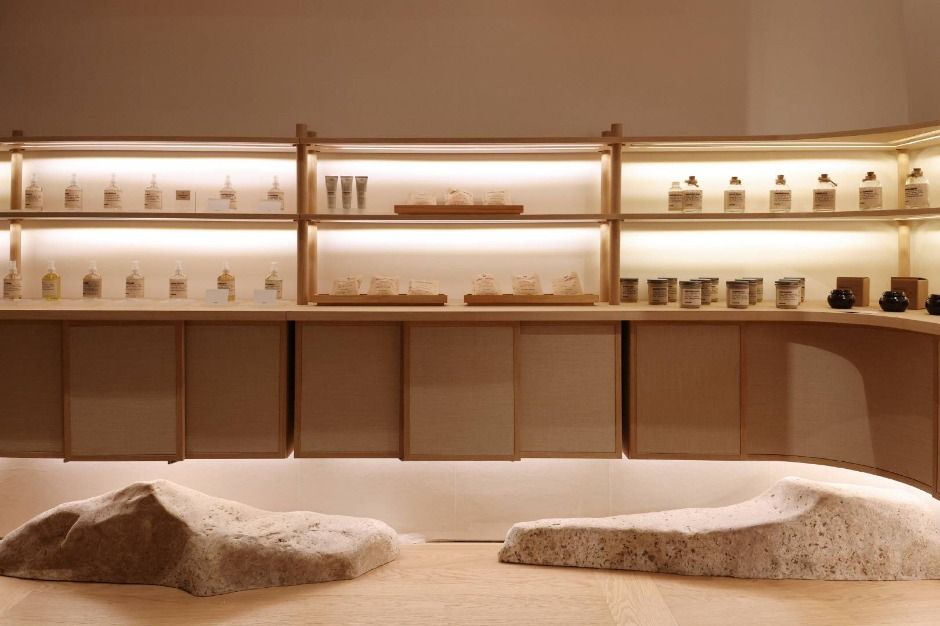
Launched in 2014 at a small hanok in Bukchon Hanok Village, this Korean perfume brand now has nine stores around Seoul. With no advertisements or online sales, GRANDHAND has preserved its roots for years. GRANDHAND. Gahoe located amidst the beautiful surroundings of Bukchon Hanok Village and various art museums has customers of all ages and nationalities.
Naksan Park (낙산공원)
2.1Km 2025-12-16
41 Naksan-gil, Jongno-gu, Seoul
+82-2-743-7985
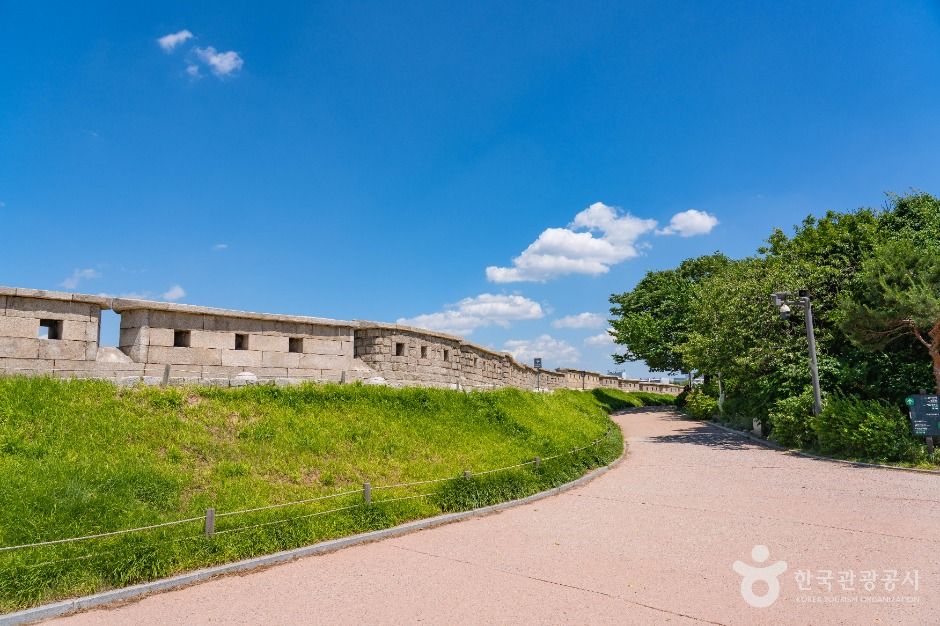
Naksan Mountain (alt. 125 meters) is one of the four inner mountains of Seoul, and can be accessed by following the road leading to the mountain entrance from Daehangno and Dongdaemun. It was also called Naktasan Mountain, which can be translated to Camel Mountain, because the terrain resembled a camel's back. It also had another name, Taraksan Mountain, “tarak” meaning fermented milk, because there was a royal ranch in the area that supplied milk to the palace. After the 1960s, the original appearance of Naksan Mountain disappeared due to apartments and dense housing, and the Seoul Metropolitan Government established a restoration plan. As part of this plan, a park project was carried out, and it opened Naksan Park in July 2002. Currently, Naksan Park has established itself as a resting place for citizens to feel the beautiful atmosphere of Hanyangdoseong, or the Seoul City Wall, and green forests. It has gained much popularity as a place for seeing the most beautiful night view in Seoul.
◎ Travel Information to Discover Hallyu’s Charm - Netflix Series "KPop Demon Hunters (2025)"
The fortress walls at Naksan Park served as the backdrop for Rumi and Jinu’s conversation in the Netflix series "KPop Demon Hunters." The view of the walls and the cityscape beyond adds to the unique atmosphere of the show, and visiting Naksan Park in person offers an expansive and memorable view of Seoul’s city center.
 English
 한국어
한국어 日本語
日本語 中文(简体)
 Deutsch
 Français
 Español
 Русский


