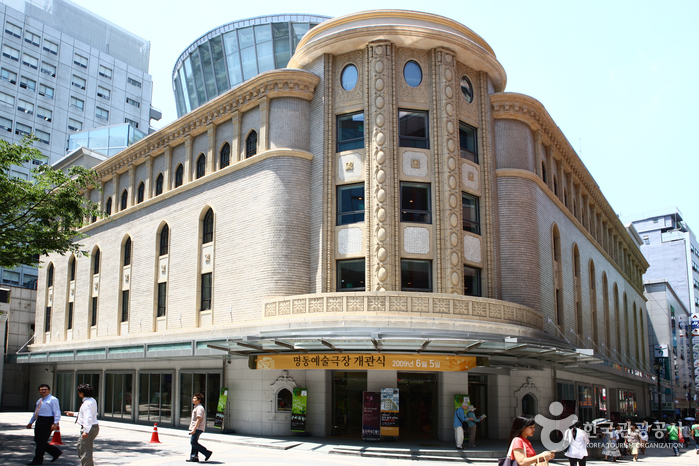
Myeongdong Theater (명동예술극장)
1.2Km 2021-06-09
35, Myeongdong-gil, Jung-gu, Seoul
+82-1644-2003
Myeongdong Theater is an exclusive theatrical performance center, located in what was originally the National Theater of Korea. From 1934 to 1973, the National Theater of Korea pioneered Korean arts and culture, serving as a movie theater, performance hall and art theater. Though it closed its doors in 1975, it was reopened on June 5, 2009 after 3 years of renovation under the name of Myeongdong Theater. The exterior of the theater was left untouched, while the interior was completely updated for a modern design. The theater has a mid-sized performance hall with state-of-the-art stage equipment and a seating capacity of 588 seats. The close proximity of the seats and the stage offers great views as well as allows the audience to share the passion of the performers on stage. The theater presents a range of performances such as theatrical plays, experimental plays, non-verbal performances, and musicals. In addition, the place is a popular venue for diverse events like acting contests, theater festivals and performance festivals.
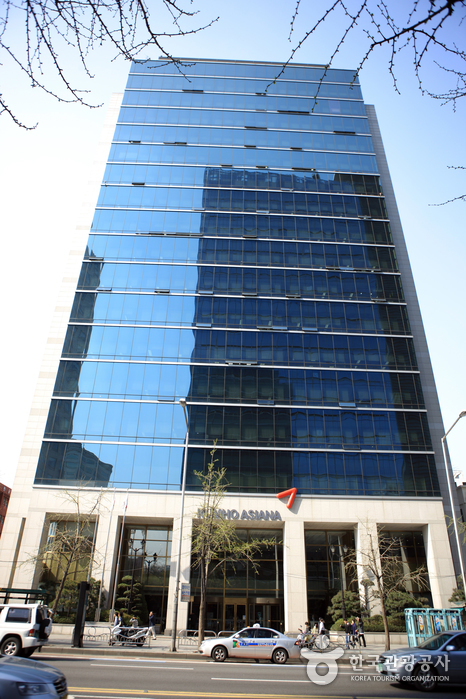
Kumho Art Hall (금호아트홀)
1.2Km 2021-05-28
76, Saemunan-ro, Jongno-gu, Seoul
+82-2-6303-1977
Kumho Art Hall was built in 2000 exclusively for classical music concerts, with 390 seats, the perfect structure for chamber concerts. All seats are recital hall chairs and the wide spacing between rows of chairs helps the audience to have a pleasant time. Upon entering the theater, all cell phones will turn off automatically. This helps all visitors to enjoy the concert without being interrupted by ringing cell phones. The interior is cozy and luxurious, and the stage is made of maple.

YallaKOREA (얄라코리아)
1.2Km 2025-10-23
#700, The Salvation Army Building, 69 Saemunan-ro, Jongno-gu, Seoul
YallaKOREA is a medical tourism agency specialized in serving Arab patients, providing medical services since 2016 for those wishing to visit plastic surgery and dermatology clinics in Korea. For patients undergoing surgery, it offers customized services including medical interpretation, private transportation, hotel reservations, airport pick-up and drop-off services, and daily tours. With years of experience and a deep understanding of Arab culture, it ensures safe and convenient medical tourism.
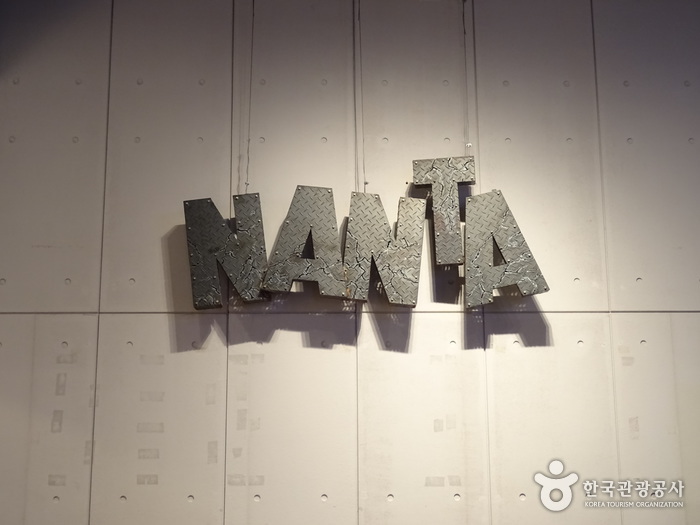
Myeongdong Nanta Theatre (명동난타극장)
1.3Km 2021-07-23
26, Myeongdong-gil, Jung-gu, Seoul
+82-2-739-8288
Nanta, Korea's representative non-verbal performance, opened their fourth exclusive theater in Myeong-dong, the center of shopping. The 386-seat theater is located within the UNESCO Building. It is the largst of the Nanta theaters, and was the first to present foreign actors within the performances. There are 3 shows every day, all year round.
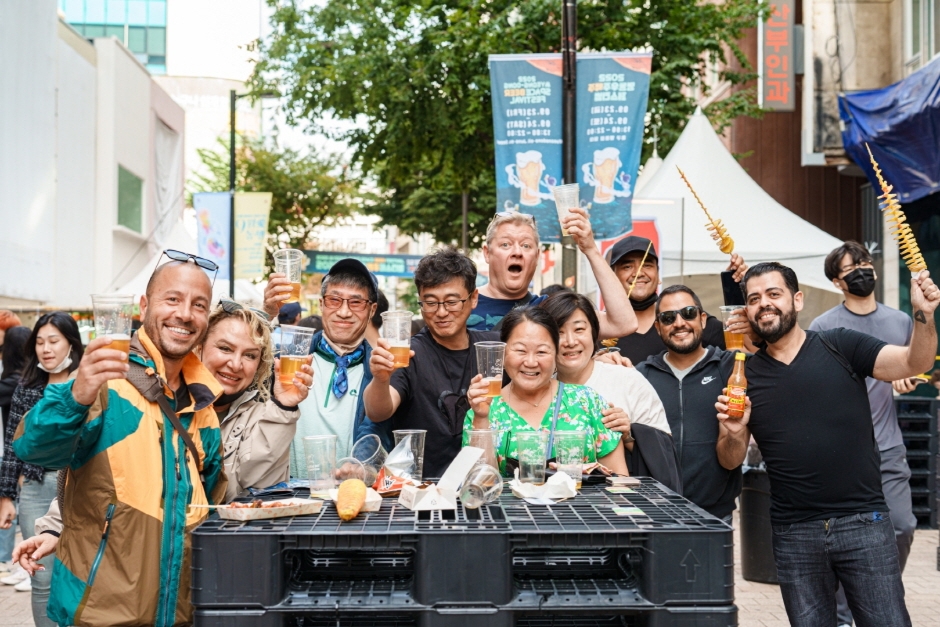
Myeongdong Beer Festival (명동맥주페스티벌)
1.3Km 2025-05-20
14, Myeongdong-gil, Jung-gu, Seoul
+82-70-8670-2182
Myeongdong Beer Festival provide a chance to find one's preference through beer. Enjoy the cool fall weather with fun people all around.
Myeongdong Cathedral (서울 명동성당)
1.3Km 2022-12-27
74, Myeongdong-gil, Jung-gu, Seoul
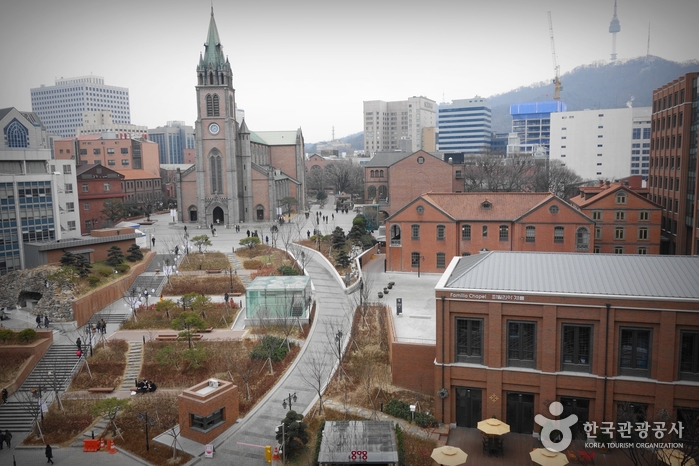
Myeongdong Cathedral is the Church for Archdiocese of Seoul and was also the birthplace for the Roman Catholic Church community in Korea. The church houses the remains of several individuals: Bishop Laurent Joseph Marie Imbert (1796-1839), and priests Peter Simon (1803-1839), James (Jacques Honor Chastan, 1803-1839) and Pourthie Jean Antoine Charles (1830-1866) and four martyrs.
Myeongdong Cathedral is located in downtown Seoul and tourists frequently come and visit the place. Near the cathedral are other tourism spots such as Namsangol Hanok Village preserving Korean traditional houses, N Seoul Tower overlooking Seoul and Namdaemun Market, a traditional market with a wide variety of food and goods.
STAY dayoff (스테이 데이 오프)
1.3Km 2024-12-23
6 , Jahamun-ro 1da-gil, Jongno-gu, Seoul
+82-504-0904-2406
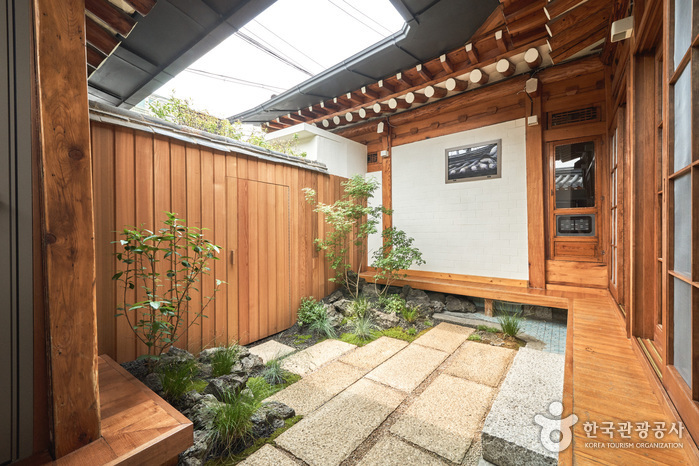
Stay Day Off is a hanok stay just off Jahamun-no - known locally as ‘Food Street’ - in Seochon Village to the west of Gyeongbokgung Palace in Seoul. It’s a 5-minute walk from Gyeongbokgung Station on Subway Line 3, so transport access is good. The main building comprises two bedrooms with queen-size bed, a living room and kitchen, and two bathrooms. The annex building is rather special: it has a bath and sauna behind a window wall with a fine view of the hanok garden. There’s a 10% discount for guests staying more than two nights during the week.
Seoul Hanok Stay (JNP Stay) (서울한옥스테이(jnpstay))
1.3Km 2024-10-30
7-28 , Jahamun-ro 1na-gil, Jongno-gu, Seoul
+82-10-5720-6800
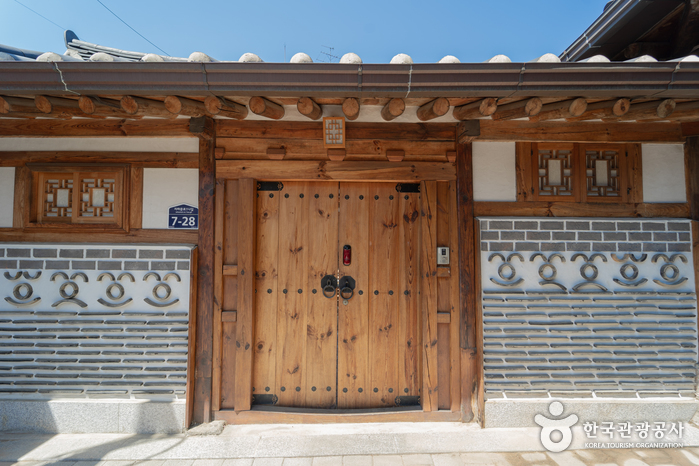
Seoul Hanok Stay (JNP Stay) is a private hanok stay located 3 minutes' walking distance from Gyeongbokgung Station. You can play traditional Korean games such as jejichagi (hacky sack), yut nori (board game), and tuho (arrow-throwing) in the yard, and cooking barbecue adds to the charm of the hanok. From the yard, you can enjoy the sky view, feel the gentle breeze, and observe raindrops falling from the eaves.
 English
 한국어
한국어 日本語
日本語 中文(简体)
 Deutsch
 Français
 Español
 Русский


