Bangsan Wholesale Market (방산 종합시장) - Area information - Korea travel information

Bangsan Wholesale Market (방산 종합시장)

Bangsan Wholesale Market (방산 종합시장)

1.6Km    2025-10-23

20, Dongho-ro 37-gil, Jung-gu, Seoul
+82-2-2268-6691

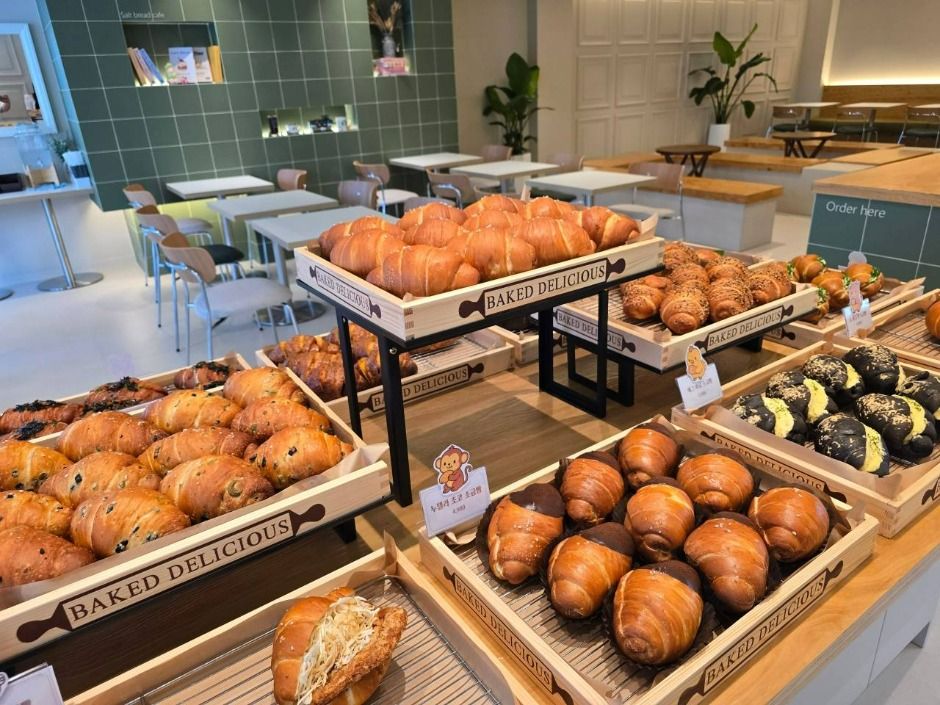
Bangsan Market is a wholesale market with approximately 250 stores that sells packaging and promotional materials. The market was popular with patissiers in the past and is currently more famous for being a bakery street.

Jinju Hoegwan (진주회관)

1.6Km    2024-06-19

26 Sejong-daero 11-gil, Jung-gu, Seoul
+82-2-753-5388

Jinju Hoegwan is a renowned kongguksu (noodles in cold soybean soup) eatery near City Hall Station. Kongguksu is a traditional Korean summer dish made by boiling and grinding soybeans into a creamy broth, served with noodles, offering a refreshing and nutty flavor. Kongguksu is available from March to November. Their staff-recommended menu includes kimchi bokkeumbap (kimchi fried rice), freshly roasted by the staff, along with kimchi jjigae and samgyeopsal (pork belly).

Appenzeller Noble Memorial Museum (배재학당 역사 박물관)

Appenzeller Noble Memorial Museum (배재학당 역사 박물관)

1.6Km    2022-10-14

19, Seosomun-ro 11-gil, Jung-gu, Seoul
+82-2-319-5578

The Appenzeller Noble Memorial Museum is dedicated to Henry Gerhart Appenzeller, the missionary who opened the first Western-style educational institution in Korea in 1885. The school started with English and core subjects, but expanded into the Pai Chai University, Pai Chai High School, and Pai Chai Middle School and has many famous alumni, including Rhee Syng-man. The memorial hall opened in 2008 in the east wing of the original school building, which was built in 1916 and designated as a Seoul Monument. With dynamically arranged permanent exhibitions, annual special exhibitions and special lectures, the museum offers a unique learning experience to visitors and people with an interest in the history of education in Korea.

Seoul Gyeonggyojang House (서울 경교장)

Seoul Gyeonggyojang House (서울 경교장)

1.6Km    2021-09-15

29, Saemunan-ro, Jongno-gu, Seoul
+82-2-735-2038

Gyeonggyojang House, a designated Historic Site, was the location of the provisional government and the place where Baekbeom Kim Koo passed away. Seoul reproduced the historical site, Gyeonggyojang House, to use the area as an educational site. Also, the house exhibits the history of the provisional government in order to see the history more clearly.

Restoration work included the demolition of the interior that was changed when the building was turned into a hospital facility and embassy after Kim Koo passed away in 1949. During the work, the remaining parts were maintained with the utmost care. Reconstructed parts were based on the building's floor plan written in Chosun and Architecture (8th edition in 1938). Visitors can see various contents related to the Korean Provisional Government history through relics, video, and information searching corners.

Myeong-dong Ttungttungi Jokbal (명동뚱뚱이족발)

Myeong-dong Ttungttungi Jokbal (명동뚱뚱이족발)

1.6Km    2024-10-15

9, Toegye-ro, 20-gil, Jung-gu, Seoul
+82-2-778-8998

One of the old restaurants in Myeong-dong featured in Korean gourmet programs. This Korean dishes restaurant is located in Jung-gu, Seoul. The most famous menu is braised pigs' feet.

Korea Samgyetang (고려삼계탕)

1.6Km    2024-06-19

1 Seosomun-ro 11-gil, Jung-gu, Seoul
+82-2-752-9376

Located near City Hall Station, Korea Samgyetang specializes in samgyetang. Samgyetang is a traditional healthy dish made by simmering cleaned young chicken in a broth with ginseng, jujube, and glutinous rice. The light and tender texture of the stewed chicken and the ginseng-flavored glutinous rice porridge is excellent. Ogolgye tang (silkie chicken soup) and jeonbok samgye tang (abalone and ginseng chicken soup) are also favorites among patrons. This restaurant was selected for the Michelin Guide Seoul in 2023.

National Meteorological Museum of Korea (국립기상박물관)

National Meteorological Museum of Korea (국립기상박물관)

1.7Km    2024-03-26

52 Songwol-gil, Jongno-gu, Seoul

A museum where one can look at Korea's meteorological observation history and technological development through exhibitions. The museum has the world's first rain gauge, invented in 1441, in the early Joseon dynasty. The museum operates approximately 350 meteorological observatories across Korea and focuses on promoting the uniqueness and excellence of Korea's meteorological science. There are permanent collections and special exhibitions. The permanent collections focus on the history of meteorological science in Korea. At the same time, the special exhibitions take a closer look at the history and information about meteorological science and natural disasters (e.g., earthquakes) that occurred in various regions of Korea. There are experience programs related to meteorological science, such as making a rain gauge or learning about rain gauges.

PungGyeong [Korea Quality] / 풍경 [한국관광 품질인증]

PungGyeong [Korea Quality] / 풍경 [한국관광 품질인증]

1.7Km    2023-05-02

32-6 , Seonggyungwan-ro, Jongno-gu, Seoul
+82-10-7103-6993

PungGyeong, located opposite Sungkyunkwan Academy in Jongno-gu, Seoul, is a hanok-style guest house whose outer wall is painted with a stylish blue pine tree. The guest house is equipped with bedrooms and a kitchen/diner with a table. Residents can have toast for breakfast, and simple Korean meals are provided for guests staying more than two days. In the winter you can sample traditional Korean tea brewed by the owner.

Seoul National University Hospital (서울대학교병원)

1.7Km    2025-10-23

101 Daehak-ro, Jongno-gu, Seoul

Seoul National University Hospital, a national central hospital that has led Korean medicine for over 130 years, is a top-tier hospital equipped with world-class medical professionals and cutting-edge systems. For 25 consecutive years, it has ranked first in brand power in the hospital sector. The hospital is renowned for its cancer research, the most comprehensive pediatric care in the country, and treatments for rare and intractable diseases. Through patient-centered, personalized services, it has established itself as a trusted healthcare institution.

ARKO Art Center (아르코미술관)

ARKO Art Center (아르코미술관)

1.7Km    2025-06-05

3, Dongsung-gil, Jongno-gu, Seoul
+82-2-760-4850

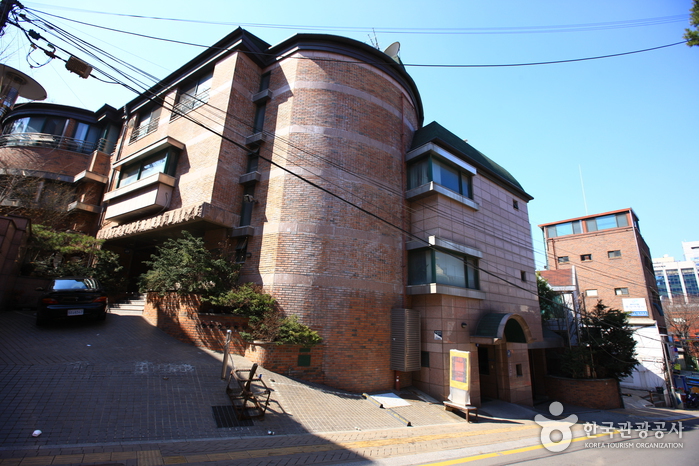
ARKO Art Center was founded in 1974 as Misulhoegwan in a building of former Deoksu Hospital in Gwanhun-dong, Jongno-gu to offer much-needed exhibition space for artists and arts groups. In 1979, Misulhoegwan moved to its present building, designed by preeminent Korean architect Kim Swoo-geun (1931-1986) and located in Marronnier Park, the former site of Seoul National University. The two neighboring brick buildings accommodating ARKO Art Center and ARKO Arts Theater are the major landmarks of the district of Daehakro.
As more public and private museums and commercial galleries came into the art scene in the 1990s, Misulhoegwan shifted to curating and presenting its own exhibitions. Renamed as Marronnier Art Center in 2002, ARKO Art Center assumed a full-fledged art museum system and played an increasingly prominent role as a public arts organization leading the contemporary art paradigm. When The Korea Culture and Arts Foundation was reborn as Arts Council Korea, Marronnier Art Center became ARKO Art Center named after the abbreviation for Arts Council Korea in 2005.
ARKO Art Center is committed to working as a platform where research, production, exhibitions and the exchange of creative activities grow and develop in connection with one another in addition to having a diversity of programs including thematic exhibitions addressing social agenda and public programs widely promoting various discourses in art.