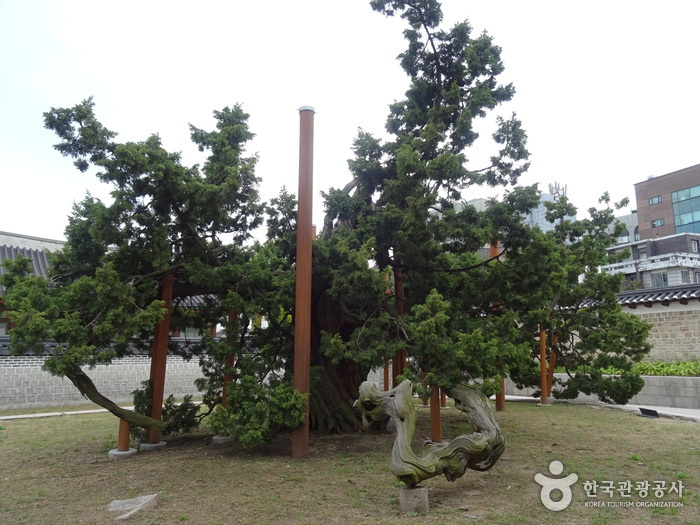
Hyangnamu Tree in Changdeokgung Palace (창덕궁 향나무)
705.8M 2025-01-13
99, Yulgok-ro, Jongno-gu, Seoul
+82-2-3668-2300
Hyangnamu or 'Aromatic Tree' in Changdeokgung Palace is estimated to be about 700 years old, meaning it had likely been planted before the palace was built. It stands 12m in x_height, measures 5.9m in girth around the roots, and has branches spreading in all four directions. It is designated and protected as a National Natural Monument.
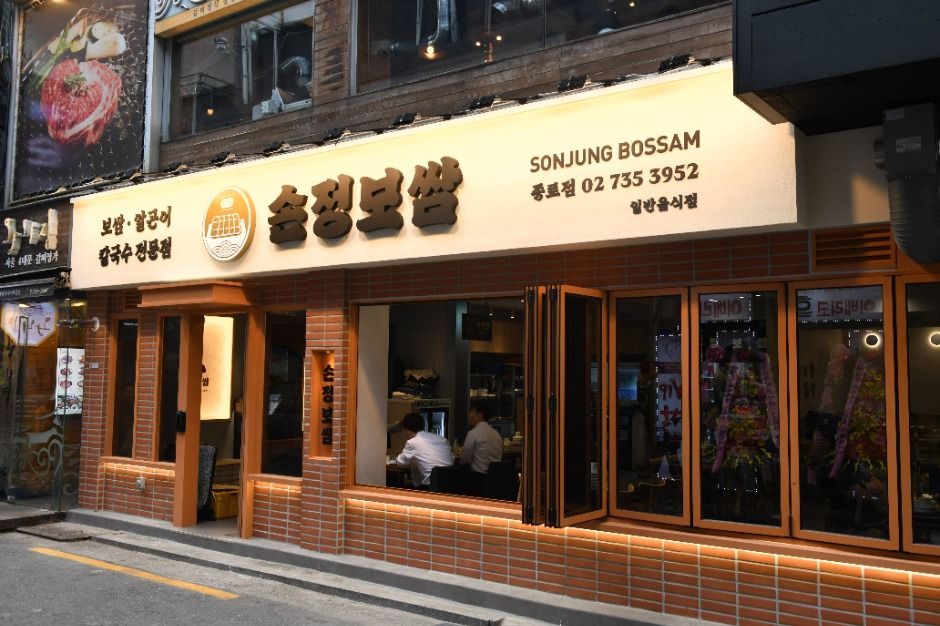
Sonjung Bossam (손정보쌈)
707.2M 2025-07-25
24 Samil-daero 15-gil, Jongno-gu, Seoul
Sonjung Bossam offers dishes with a modern touch by reinterpreting traditional meals. Passed down for three generations, this restaurant values sincerity and careful attention in food making in order to serve every customer a heartwarming meal. Sonjung Bossam's signature dish Premium Gabri Bossam takes only the rarest pork cut, the blade-end fatback called "gabri" in Korean, and boils the meat using the restaurant's secret recipe for tender, juicy meat. The restaurant also serves their own special version of spicy stir-fried fish roe and intestines and haemultang (spicy seafood stew), boasting a generous amount of various seafood and rich broth. All meals are prepared wholeheartedly as if they are being served to a family.
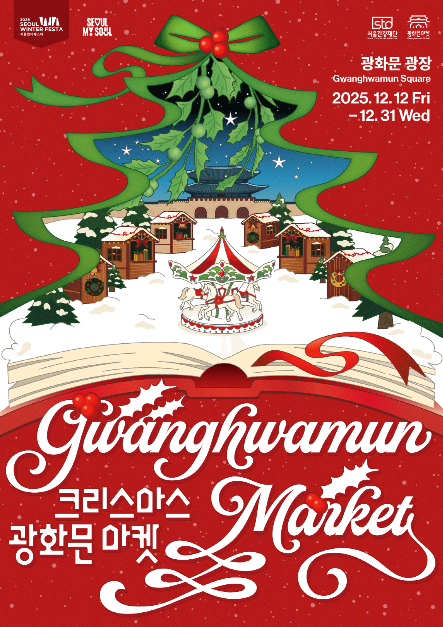
Gwanghwamun Market (광화문 마켓)
709.3M 2025-12-05
B172 Sejong-daero, Jongno-gu, Seoul
+82-2-337-3692
Gwanghwamun Market takes place along with the Seoul Lantern Festival to support local small businesses and promote Seoul night tourism. The market features local store owners and businesses that exhibit and sell seasonal decor, handcrafted items, and winter snacks.
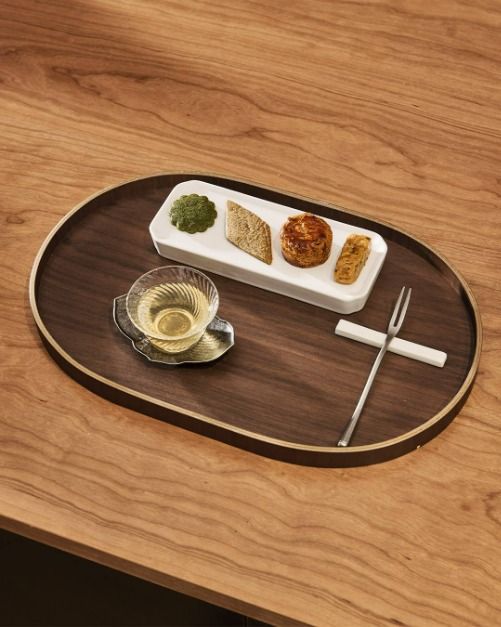
Pyunkang Yul Flagship & Tea house (편강 율 플래그십&티하우스)
709.4M 2025-12-10
35-4 Bukchon-ro 5ga-gil, Jongno-gu, Seoul
Pyunkang Yul Flagship & Tea house is a cafe in Bukchon Hanok Village near Gyeongbokgung Palace. The first floor is a teahouse where one can enjoy Korean tea infused with traditional ingredients and delightful desserts with a view of the cafe's serene garden, and the second floor is a flagship store of Pyeongang Yul, a K-beauty brand known for integrating hanbang (traditional Korean medicine) in their skincare products. The third floor features a rooftop that offers a sweeping view of the Bukchon Hanok Village and Gyeongbokgung Palace.

Jalppajin Memil Ikseon Branch (잘빠진메밀 익선)
711.6M 2024-03-18
73 Yulgok-ro 8-gil, Jongno-gu, Seoul
+82-70-4531-1214
Jalppajin Memil is a specialty restaurant that directly kneads 100% buckwheat dough to make buckwheat noodles. They offer both bibim makguksu (spicy buckwheat noodles) and mul makguksu (buckwheat noodles). Additionally, they serve memil jeonbyeong (buckwheat crepe), memil mandu (buckwheat mandu), and tender suyuk (boiled pork slices). They have a selection of 10 different kinds of makgeolli (unrefined rice wine) including chestnut, citrus, corn, and mulberry, allowing customers to choose according to their preference. Their famous makgeolli sampler set, which allows customers to taste five different types of makgeolli in small quantities, is popular.
![DAHMSOJUNG[Korea Quality] / 담소정[한국관광 품질인증/Korea Quality]](http://tong.visitkorea.or.kr/cms/resource/92/2477092_image2_1.png)
DAHMSOJUNG[Korea Quality] / 담소정[한국관광 품질인증/Korea Quality]
712.4M 2025-01-06
16-2, Bukchon-ro 9-gil, Jongno-gu, Seoul
010-3749-9550
Dahmsojung, meaning ‘a house full of laughs’, is a hanok guesthouse that provides sincere services and comfortable relaxation. Located in the middle of Seoul’s city center, this hanok hotel-class guesthouse was built using traditional hanok construction materials including the 200-years-old Korean land pine from Gyeongju, and clay for rooms. The owner originally bought the land to build the residential area for the family, but wishing to promote the charms of the hanok building to foreigners, it was opened as a guesthouse in October 2012. This hanok guesthouse with modern elements is decorated with refined interior items. It provides a special breakfast that consists of steamed rice wrapped in a lotus leaf and tasty side dishes without any artificial seasonings. All the vegetables used for the meals are organic and cultivated by the owner. It also uses refined objects including high quality tableware, bedding (cotton bedclothes with colored stripes), authentic ceramics, lacquered painting by an artisan, and artistic living items. It carries out a cleaning and disinfection process every day as well. In particular, Hinoki cypress with a subtle scent was used for the bathroom. The home bar was installed especially for foreign guests who find it difficult to sit on the floor in the kitchen. These detailed consideration and decorations have attracted many guests including foreign diplomats, VIPs, and so on.
It also operates a hands-on programs including ‘calligraphy’ and ‘making a fan’ that are held on the main floored room and are popular among foreign guests. Dahmsojung offers guests sophisticated services and comfortable facilities with a clean and traditional atmosphere that attracts many domestic and foreign guests.
Aēsop - Samcheong Branch [Tax Refund Shop] (이솝 삼청)
718.1M 2024-04-17
58-3, Samcheong-ro, Jongno-gu, Seoul
-
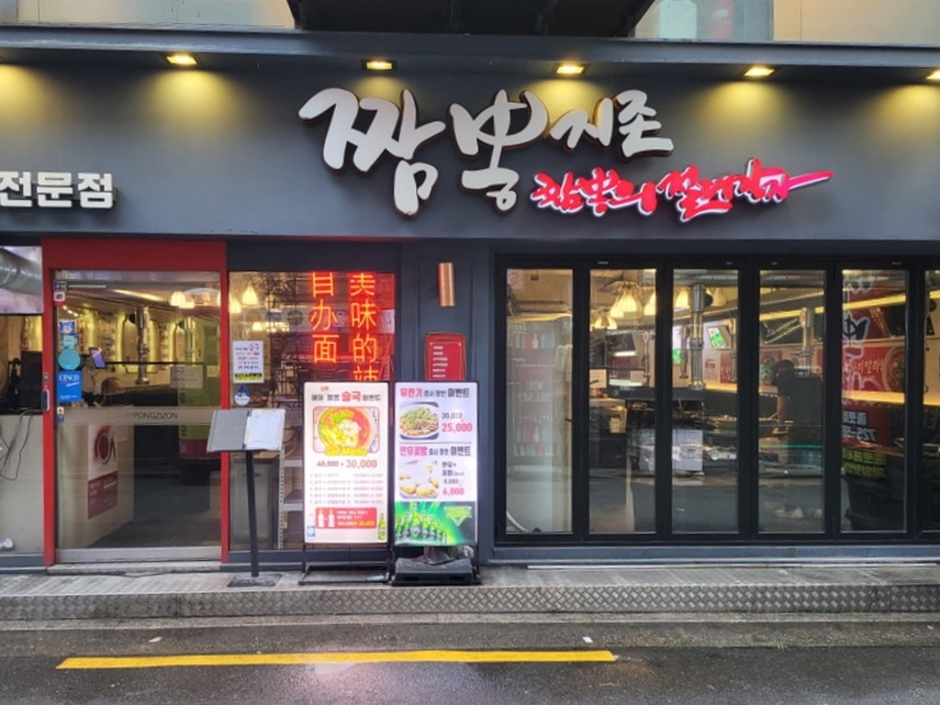
Jjamppong Zizon Jongno (짬뽕지존 종로)
722.3M 2024-03-15
25 Samil-daero 15-gil, Jongno-gu, Seoul
+82-2-725-5161
Jjamppong Zizon is a Chinese restaurant located near Cheonggyecheon Stream. Their signature dish, zizon jjamppong (spicy seafood noodle soup), combines fresh seafood with a spicy broth enhanced with smoky flavors. They also offer zizon jjajangmyeon (black bean sauce noodles). For those craving extra heat, there are options like jiok jjamppong (extra spicy seafood noodle soup) and jiok jjajang (spicy black bean sauce noodles). Additionally, they serve chapssal tangsuyuk (deep-fried pork in sweet rice batter with sweet and sour sauce), coating pork in chewy sweet rice batter.
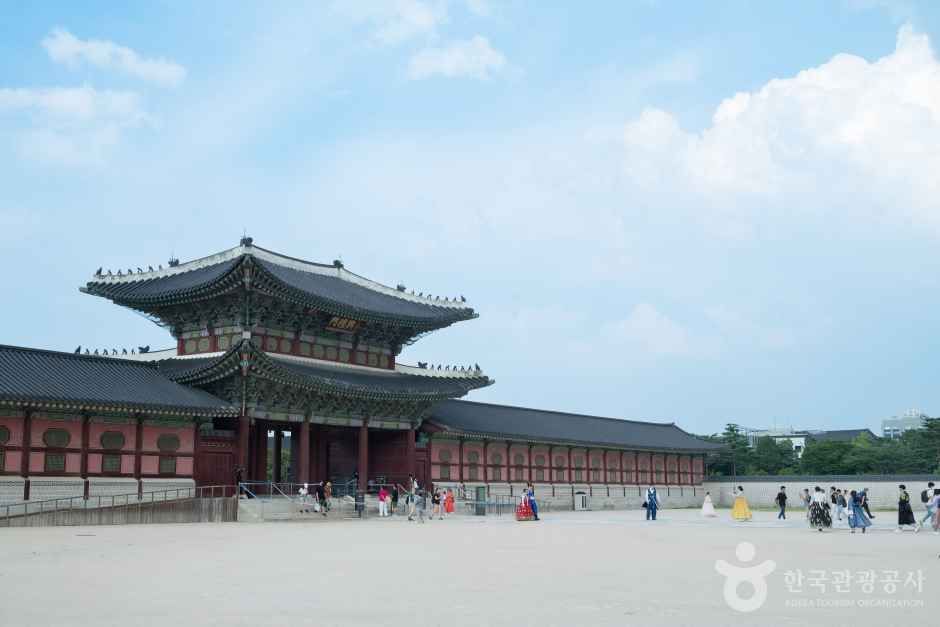
Gyeongbokgung Palace (경복궁)
724.0M 2025-10-23
161 Sajik-ro, Jongno-gu, Seoul
+82-2-3700-3900
Gyeongbokgung Palace was built in 1395 as the official palace of the Joseon dynasty by Yi Seong-gye, the future King Taejo and founder of the new regime. Gyeongbokgung Palace is commonly referred to as the Northern Palace because of its location to the north, comparied to Changdeokgung Palace in the east and Gyeonghuigung Palace in the west. Gyeongbokgung Palace is arguably the most beautiful and is the largest of all five palaces. Many Joseon kings were crowned here. The premises were once destroyed by fire during the Imjin War (1592-1598). However, all of the palace buildings were later restored under the leadership of Heungseondaewongun during the reign of King Gojong. The assassination of Empress Myeongseong, however, resulted in Gyeongbokgung Palace losing its function as a royal palace, eventually witnessing the downfall of the Joseon dynasty. Gyeongbokgung Palace retains the original Gyeonghoeru Pavilion, a prime example of Joseon architecture, and the Hyangwonjeong Pavilion and pond. The sculptures in the Geunjeongjeon Hall exemplify Joseon-era sculpture techniques. The west side of the area outside Heungnyemun Gate is occupied by the National Palace Museum of Korea, while the eastern side of Hyangwonjeong Pavilion within the Gyeongbokgung Palace is occupied by the National Folk Museum of Korea.
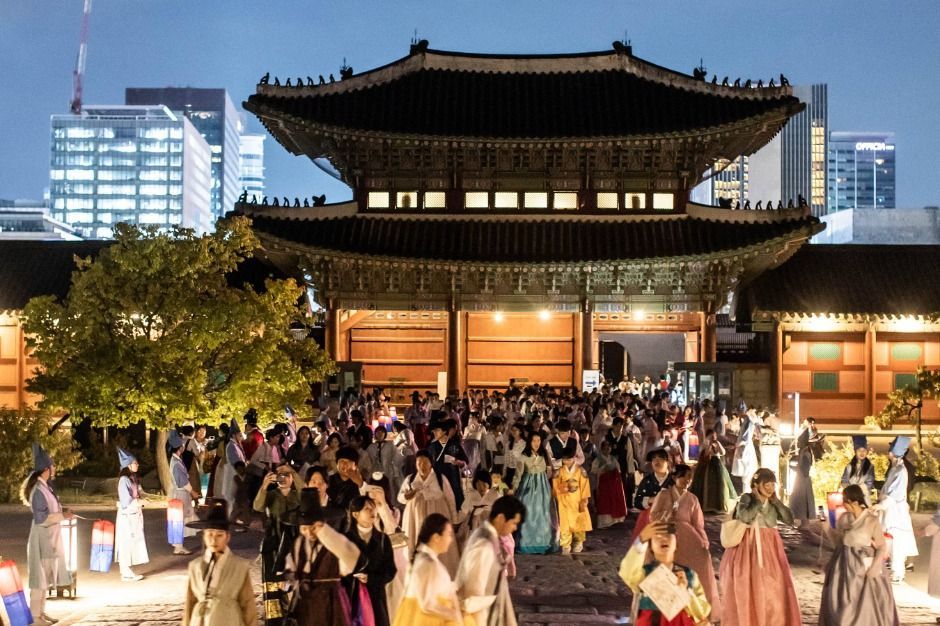
K-Royal Culture Festival (궁중문화축전)
724.0M 2025-07-29
161 Sajik-ro, Jongno-gu, Seoul
+82-1522-2295
The K-Royal Culture Festival is held at the five Royal Palaces and Jongmyo Shrine. The festival first began in 2014 and provides visitors with first-hand knowledge of these important cultural heritages through unique performances, exhibitions, experiences and programs. The festival expanded in 2021 to be hosted twice a year, in spring and in fall.
 English
 한국어
한국어 日本語
日本語 中文(简体)
 Deutsch
 Français
 Español
 Русский


