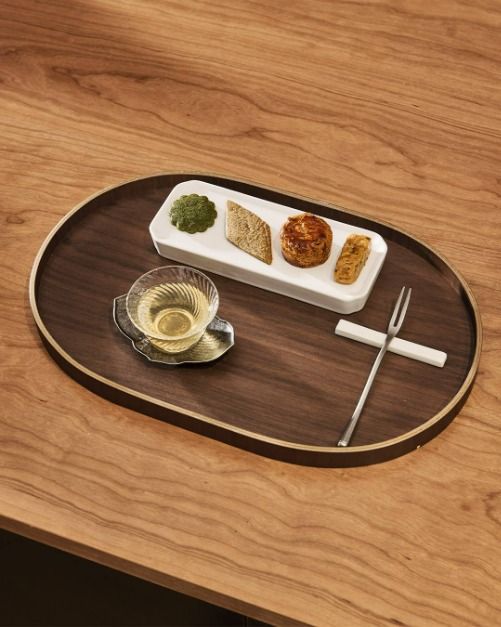
Pyunkang Yul Flagship & Tea house (편강 율 플래그십&티하우스)
664.2M 2025-12-10
35-4 Bukchon-ro 5ga-gil, Jongno-gu, Seoul
Pyunkang Yul Flagship & Tea house is a cafe in Bukchon Hanok Village near Gyeongbokgung Palace. The first floor is a teahouse where one can enjoy Korean tea infused with traditional ingredients and delightful desserts with a view of the cafe's serene garden, and the second floor is a flagship store of Pyeongang Yul, a K-beauty brand known for integrating hanbang (traditional Korean medicine) in their skincare products. The third floor features a rooftop that offers a sweeping view of the Bukchon Hanok Village and Gyeongbokgung Palace.
![SAINT JAMES SAMCHEONG[Korea Quality]/세인트 제임스 삼청[한국관광 품질인증]](http://tong.visitkorea.or.kr/cms/resource/08/2628608_image2_1.jpg)
SAINT JAMES SAMCHEONG[Korea Quality]/세인트 제임스 삼청[한국관광 품질인증]
665.6M 2024-06-26
78 , Samcheong-ro, Jongno-gu, Seoul
+82-742-4628(extension number 207)
The Saint James Samcheong store opened in July 2016 in Samcheong-ro, Jongno-gu, Seoul. The store exemplifies the quiet yet bustling atmosphere of the Samcheong-dong district, and is well-known for its marine styling. It sells men’s, women's and children's wear, plus shoes, bags and fashion accessories. Featured brands include SAINT JAMES (France), BUDDY (Japan), VEJA (France), SOLUDOS (USA), and BRONTE (Netherlands).
![Saint James - Samcheong Branch [Tax Refund Shop] (세인트제임스 삼청)](http://tong.visitkorea.or.kr/cms/resource/56/2889656_image2_1.jpg)
Saint James - Samcheong Branch [Tax Refund Shop] (세인트제임스 삼청)
665.6M 2024-04-23
B2F, 124, Singomae-ro, Giheung-gu, Yongin-si, Gyeonggi-do
-
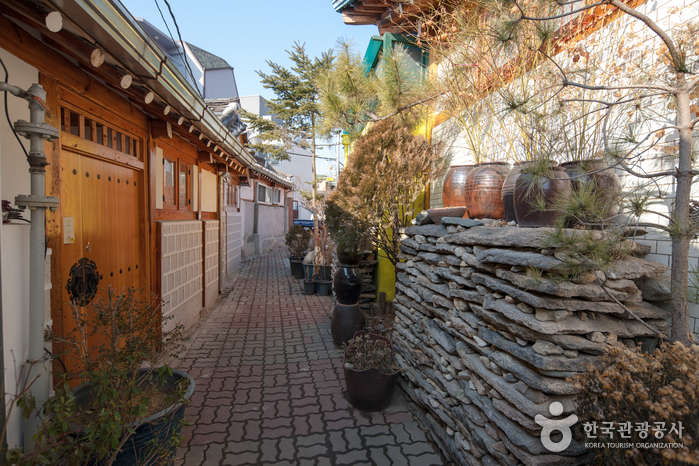
Seochon Village (서촌마을)
667.2M 2024-12-02
45 Pirundae-ro, Jongno-gu, Seoul (Nuha-dong)
Seochon Village is the name given to the area to the west of Gyeongbokgung Palace. It is a historic village, home to old shops and hanok buildings that have stood the test of time. Korean traditions and contemporary sensibilities coexist within Seochon Village’s maze-like alleyways, creating the unique ambience that makes the district so beloved. One can find shops, guesthouses, cafés, and restaurants in the village.
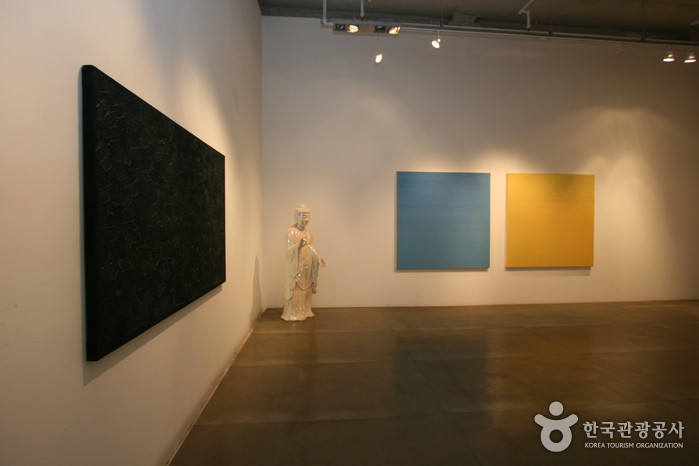
Gallery Simon (갤러리 시몬)
668.8M 2022-09-15
20, Jahamun-ro 6-gil, Jongno-gu, Seoul
+82-2-720-3031
Since its opening in April, 1994, Gallery Simon has continued to focus on promoting the beauty of modern art. Exhibitions include works from experienced artists as well as the works of budding artists, both from Korea and abroad. Select artists, referred to collectively as "Simon's Friends," have exhibitions annually. The changing collections allow the museum and featured artists to constantly strive for improvement and follow the changes in art over time.
![Thimbloom - Gyeongbokgung Branch (No. 2) [Tax Refund Shop] (팀블룸2호점 경복궁)](http://tong.visitkorea.or.kr/cms/resource/14/2889714_image2_1.jpg)
Thimbloom - Gyeongbokgung Branch (No. 2) [Tax Refund Shop] (팀블룸2호점 경복궁)
671.5M 2024-04-18
1F, BF (Nuha-dong), 46, Pirundae-ro, Jongno-gu, Seoul
-

Hwangsaengga Kalguksu (황생가칼국수)
683.2M 2024-03-18
78 Bukchon-ro 5-gil, Jongno-gu, Seoul
+82-2-739-6334
Hwangsaengga Kalguksu is a specialty restaurant located near Gyeongbokgung Palace, known for its kalguksu (noodle soup). Kalguksu is a type of noodle soup made by thinly slicing dough into noodles with a knife and boiling them in a broth made from beef bones, clams, or seafood. Their menu includes options like wang mandu (jumbo mandu), hanu suyuk (boiled Korean beef slices), kongguksu (noodles in cold soybean soup), beoseot jeongol (mushroom hot pot), and mandutguk (mandu soup). It was selected as a Michelin Guide Seoul 2023 restaurant.
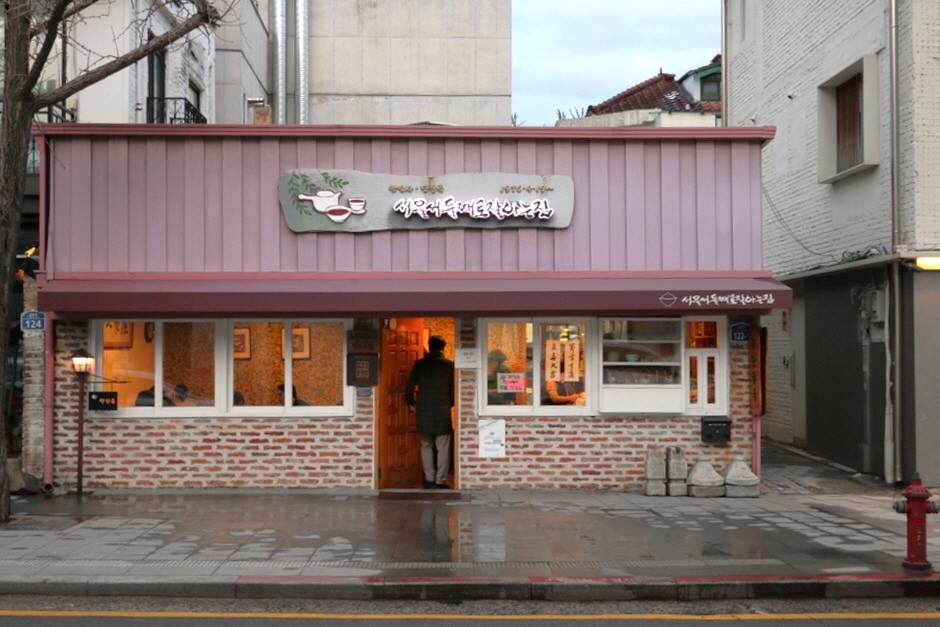
Seoureseo Duljjaero Jalhaneunjip (서울서둘째로잘하는집)
687.8M 2024-03-15
122-1 Samcheong-ro, Jongno-gu, Seoul
+82-2-734-5302
Seoureseo Duljjaero Jalhaneunjip is a sweet red bean porridge and traditional tea house near Gyeongbokgung Palace. Sweet red bean porridge is a sweet and smooth dish typically containing chewy rice cakes and chestnuts. In Korea, it's a traditional food eaten during dongji (the shortest day and longest night of the year). They also offer traditional teas like ssanghwatang (herbal tonic tea), which contains seven medicinal herbs, sujeonggwa (cinnamon punch) with a blend of cinnamon and ginger flavors, and sikhye (sweet rice punch), a drink known for aiding digestion.
Ground Seesaw Seochon (그라운드시소 서촌)
693.0M 2023-01-17
18-8, Jahamun-ro 6-gil, Jongno-gu, Seoul
Ground Seesaw is a cultural complex located in Seochon, Jongno presented by Media & Art, an exhibition production company, and designed by SoA, an architecture firm, and Loci Studio, a landscaping studio. Visitors are able to check out a variety of exhibits at Ground Seesaw Seochon.
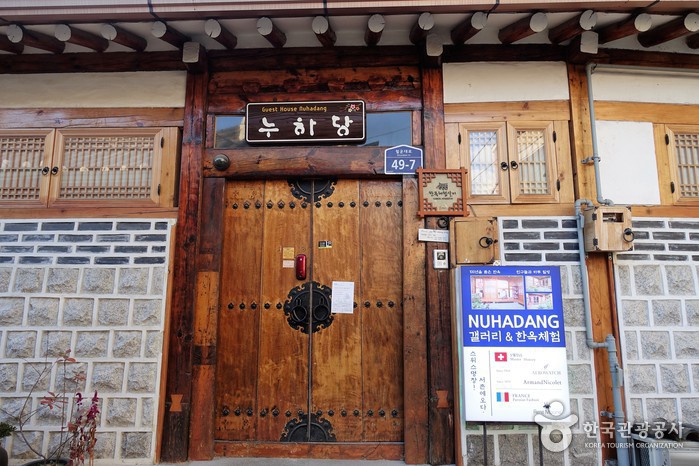
NUHADANG(누하당)
701.7M 2024-06-20
49-7 , Pirundae-ro, Jongno-gu, Seoul
+82-2-3391-0010, +82-10-4347-5768
Nuhadang is a traditional hanok with over 100 years of history. It is located in a quiet spot in Seochon, Jongno-gu, Seoul, where many scholars and artists have lived since Joseon times. Rooms are wallpapered with eco-friendly Korean paper, and thick cotton blankets and cypress pillows will sooth travelers' fatigue. In the yard and small garden you can experience traditional Korean culture: janggu drumming, the game of yunnori, and Hanbok clothing. Walking the streets of Seochon - past Yun Dong-ju's hostel, Park No-su's art museum, and Lee Sang's house - you can still feel the atmosphere of old Seoul.
 English
 한국어
한국어 日本語
日本語 中文(简体)
 Deutsch
 Français
 Español
 Русский


