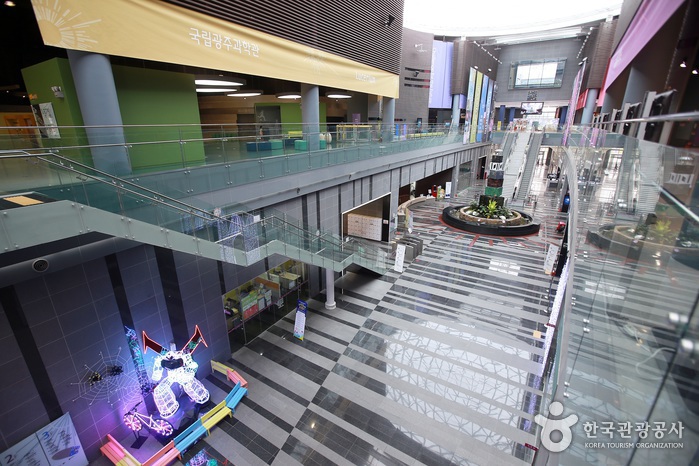
Gwangju National Science Museum (국립광주과학관)
10.1Km 2021-05-24
235, Cheomdangwagi-ro, Buk-gu, Gwangju
+82-62-960-6210
Gwangju National Science Museum was opened in 2013 to promote science. The museum specializes in light and science with a spaceship-shaped exterior. Many of the exhibitions consist of hands-on programs, providing visitors a chance to use their imagination to further learn about science.
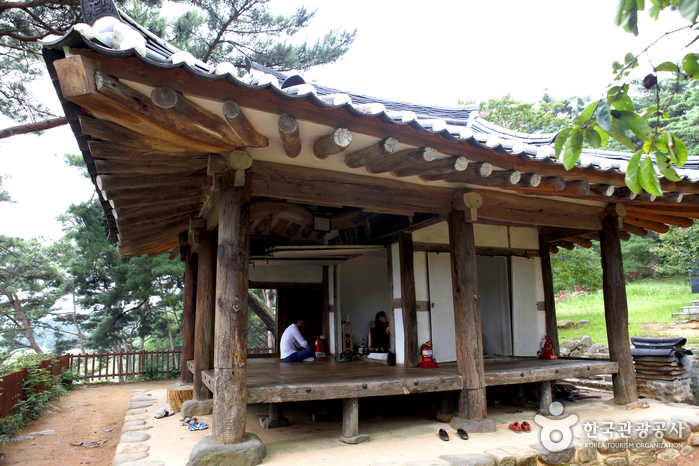
Sigyeongjeong Pavilion (담양 식영정)
10.7Km 2025-01-08
Jigok-ri, Damyang-gun, Jeollanam-do
+82-61-380-2811
Designated as the top monument of Jeollanam-do, Sigyeongjeong Pavilion means a place where even the shadow of the moon can find a place to rest. As its name suggests, this pavilion is set in a lush and remote forested area. Countless number of scholars and writers have been attracted to this pavilion as a place of profound inspiration. The pavilion gained more fame from the legendary lyrics of Seongsanbyeolgok written by the poet Jeong Cheol. The elegant words of Kim Seongwon, a literary scholar, depict the scenic beauty of Seongsan Mountain as the seasons change.
Of all the pavilions situated at the basin of the Yeongsangang River the Sigyeongjeong Pavilion is said to be blessed with a breathtaking view from the side. The current building was restored in the early 1900s. At the Sigyeongjeong Pavilion there is the Buyongdang, a monument with the lyrics to the Seongsanbyeolgok Poem, and next to it an old library building called Jangseogak built to preserve the wooden blocks of Songgangjib, a book of poetry written by Jeong Cheol.
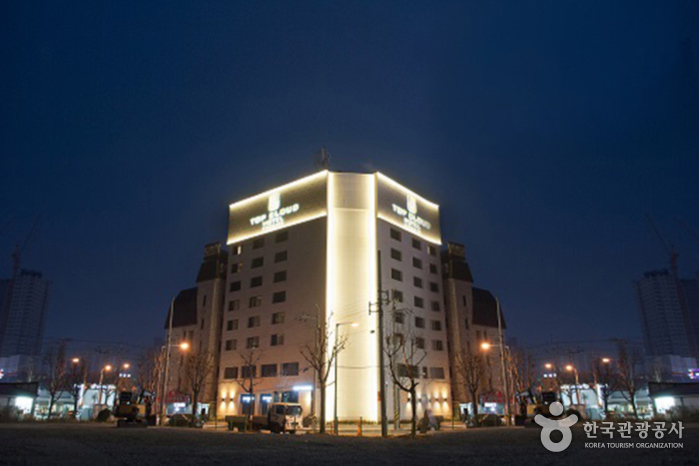
Top Cloud Hotel (탑클라우드호텔(광주점))
10.8Km 2024-12-22
57-1 , Imbangul-daero 825beon-gil, Gwangsan-gu, Gwangju
+82-62-972-3111
The Top Cloud Hotel in Gwangju, Jeollanam-do, is an impressive building with a luxurious interior. Rooms are comfy with high-quality bedding for a good night’s sleep, and all offer splended night views over Gwangju and its Gwangsan high-tech district. Facilities include a hearty breakfast, a 24-hour information desk, and concierge service.
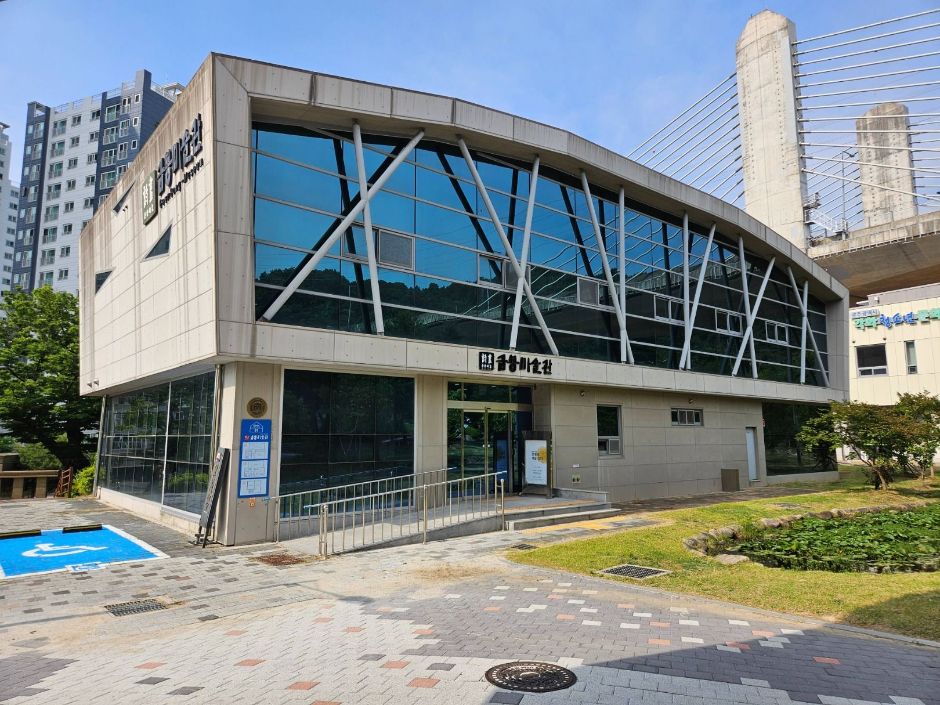
GeumBong-Museum (시화문화마을 금봉미술관)
10.9Km 2024-12-17
91 Gakhwa-daero, Buk-gu, Gwangju
Opened in 2015, GeumBong-Museum has 291 art works of painter Park HaengBo. The museum also has various contemporary art works to further spread the knowledge of both traditional and contemporary art. It offer classes and exhibition to support the local art culture.
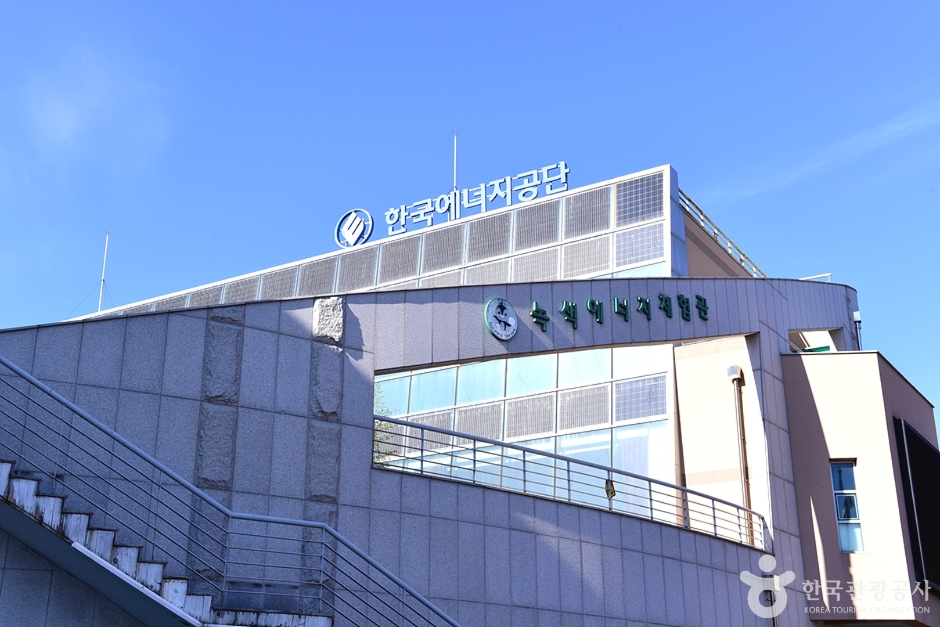
Green Energy Experience Hall Gwangju-Jeonnam Regional Headquarters (녹색에너지체험관 (광주전남지역본부))
10.9Km 2024-02-14
123 Cheomdangwagi-ro, Buk-gu, Gwangju
Green Energy Experience Hall is located within the Gwangju Jeonnam Regional Headquarters of the Korea Energy Agency. Here, visitors can learn about the importance of energy conservation and discover methods to save energy in everyday life. Key facilities include the Green Energy Experience Hall, the Outdoor Experience Hall, and the LED Exhibit Hall. Admission is free, and the center welcomes visitors aged five years and older.
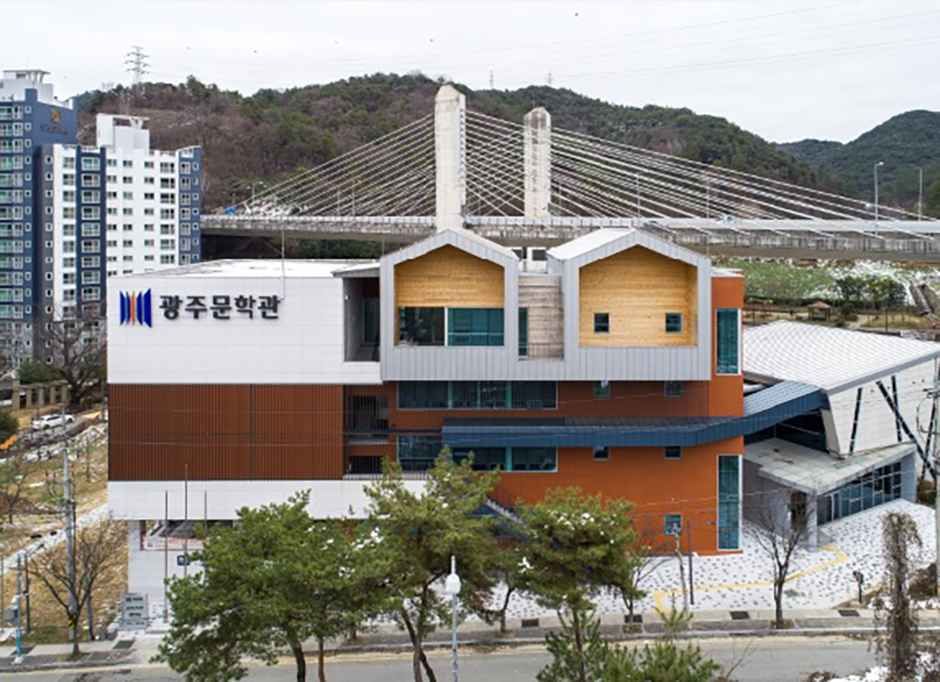
Museum of Gwangju Literature (광주문학관)
10.9Km 2024-11-20
93 Gakhwa-daero, Buk-gu, Gwangju
The Museum of Gwangju Literature offers a journey through Gwangju’s rich literary heritage, spanning from ancient times to the present day. Visitors can delve into the literature from the Mahan period, explore works from the 1920s and '30s tied to the national independence movement, and discover works from the 1980s that marked the beginning of the modern poetry movement. The permanent exhibition provides a chronological journey through the local literature of Gwangju. The museum also holds various programs for visitors.
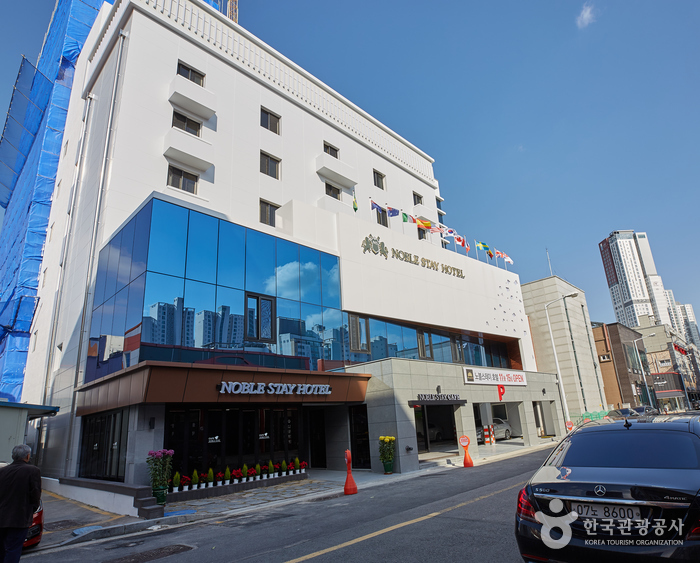
Noble Stay Hotel (노블 스테이 (Noble Stay))
11.0Km 2024-12-22
19-7 , Imbangul-daero 826beon-gil, Gwangsan-gu, Gwangju
+82-62-445-7700
Noble Stay is a cutting-edge business hotel in Gwangsan-gu, Gwangju, Jeollanam-do. It has 94 rooms, all finished in white and wood, and equipped with air purifiers and clothing stylers. In the top floor Sky Lounge you can take breakfast while enjoying fine views over the city. If provisions are needed, there’s a food alley and a supermarket nearby.
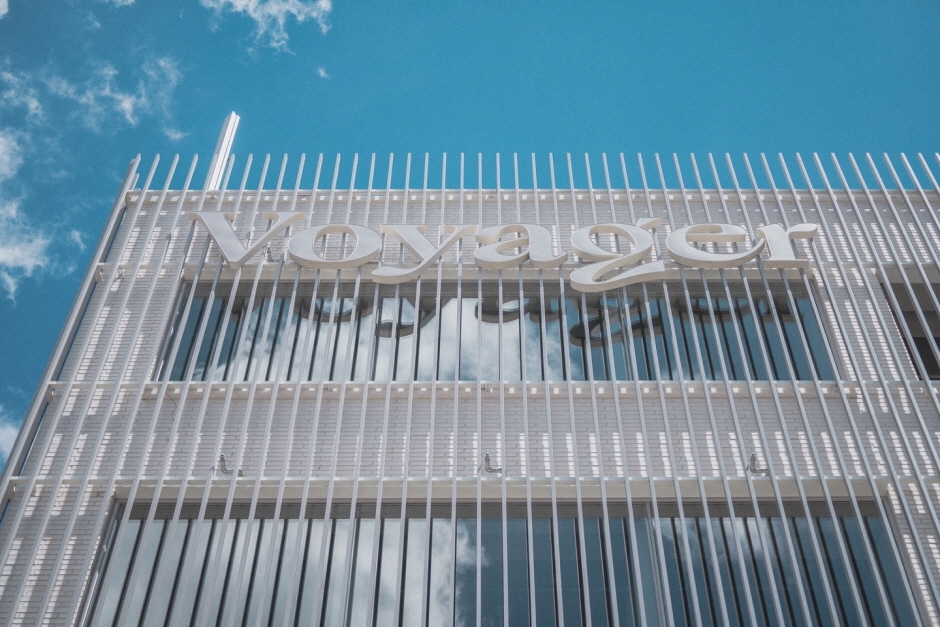
Syridan-gil Street (시리단길)
11.0Km 2025-08-12
19-20 Imbangul-daero 826beon-gil, Gwangsan-gu, Gwangju
Syridan-gil Street is a newer business district opened in the Cheomdan District, comprised of three Synergy Towers created by the Synergy Town Project. Among the Synergy Towers, Voyager Cheomdan is filled with lifestyle shops, including fashion boutiques, fitness centers, and cosmetic shops.
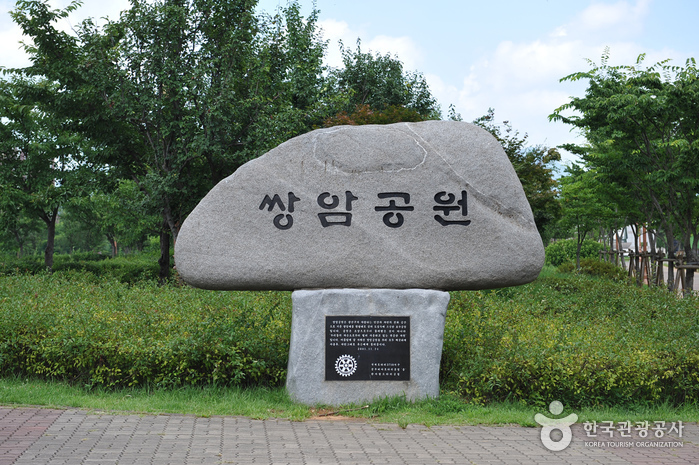
Ssangam Park (쌍암공원)
11.1Km 2021-08-13
39, Cheomdanjungang-ro 182beon-gil, Gwangsan-gu, Gwangju
+82-62-960-8704
Ssangam Park is located in front of the Gwangju Institute of Science and technology within Cheomdanjigu (the high-technology district) in Gwangsan-gu, Gwangju. Thanks to the beautiful lake at its center, the park is also known as “Lake Park.” The lake is surrounded with landscaped azaleas and pine trees and is home to several fountains. At least once a month, a cultural festival takes place at the park.
Convenience facilities include 146 benches, 3 restrooms, and 3 playgrounds. The park is especially popular among students since it has a gym and a wide grassy field perfect for playing sports.
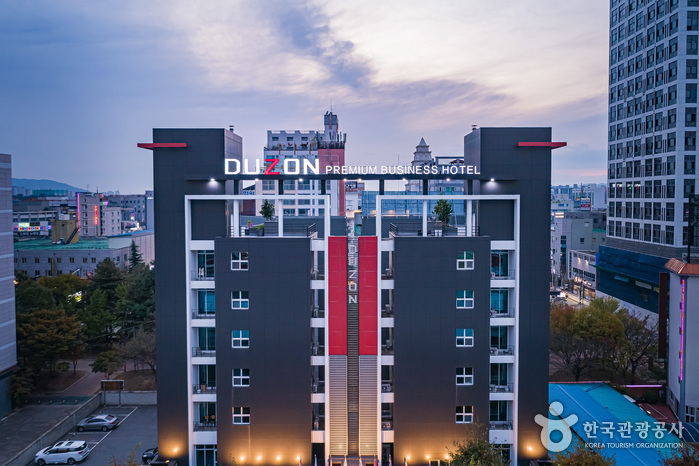
Duzon Hotel A (더존호텔A)
11.2Km 2024-12-22
60-37 , Imbangul-daero 826beon-gil, Gwangsan-gu, Gwangju
+82-62-973-6699
Duzon Hotel A in Gwangsan-gu, Gwangju, Jeollanam-do, is located in Gwangju’s high-tech district where the Gwangju Institute of Science and Technology and Government Complex 2 are based. The hotel is just 20 minutes from Gwangju Airport and KTX Songjeong-ri Station, while tourist destinations such as Damyang and Jangseong are also nearby. It is good for an accommodation for academic societies, Namdo tours, and golf trips.
 English
 한국어
한국어 日本語
日本語 中文(简体)
 Deutsch
 Français
 Español
 Русский


