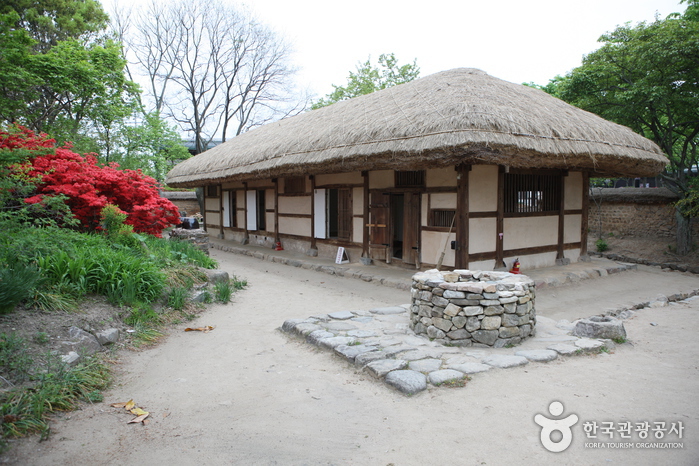
Sin Jae-hyo's House (고창 신재효 고택)
19.2Km 2024-04-07
100, Dongni-ro, Gochang-gun, Jeonbuk-do
Sin Jae-hyo (1812-1884) was a legendary theorist, director, and sponsor of pansori (epic chant). Sin Jae-hyo's House in Gochang was built in 1850, and visitors can observe sarangchae (main room), an old well, and a paulownia tree preserved to this day. Sin was not a singer himself but a pansori enthusiast, and he used wealth to train potential singers and contribute to the growth of pansori. He also compiled and edited six pansori madangs (operas) titled Ttoggi Taryeong, Bak Taryeong, Simcheongga, Jeokbyeokga, Chunhyangga, and Garujigi Taryeong, of which only five are passed down. To honor his contributions and passion for pansori, Dongni Gugakdang was founded behind this house.
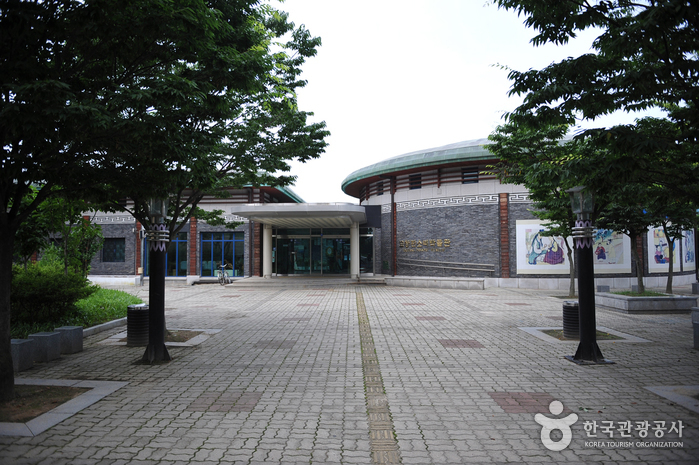
Gochang Pansori Museum (고창판소리박물관)
19.2Km 2024-04-06
100, Dongni-ro, Gochang-gun, Jeonbuk-do
The Gochang Pansori Museum was established in the old residence of ‘Dongni’ Sin Jae-Hyo (a musical theorist and arranger and a sponsor of Pansori) with the aim of honoring the great Pansori singers of the past (including Sin Jae-Hyo) and preserving and developing the indigenous tradition of Pansori. Of the original rooms of the residence only Sarangchae (an annex where men used to study or welcome guests) has been renovated and is open to the public. Right next to Sarangchae is the Dongni Gugakdang (Korean Traditional Music Hall).
Over 1,000 pieces related to Pansori and great local singers are on display at the museum, included personal possessions once owned by Sin Jae-Hyo (penname ‘Dongni’). For those interested in learning more about the traditional art of Pansori music or experiencing high-quality Pansori, the Gochang Pansori Museum is a must-visit travel destination.

Gwanbangjerim Forest (관방제림)
19.5Km 2025-01-09
1, Gaeksa-ri, Damnyang-gun, Jeollanam-do
Located in Damyang, Jellanam-do, Gwanbangjerim Forest (Natural Monument) is a forest that was made along the banks of Damyangcheon Stream. The two-kilometer-long forest stretches from Dongjeong Village in Namsan-ri to Hwanggeum-ri, Subuk-myeon and Gangui-ri, Daejeon-myeon.
Gwanbangjerim Forest is a special manmade forest that was planted to prevent flooding along Damyangcheon Stream. It is comprised of large trees such as muku trees, zelkova trees, nettle trees, and cherry trees that are about 200 to 300 years old.
The forest’s beauty is so well known that it was even selected as “Korea’s Most Beautiful Forest” by the Korean Forest Services. Visitors enjoy this gorgeous natural getaway all year round, with many stopping by the forest Sculpture Park for pictures. Nearby attractions include the Jungnogwon Bamboo Garden and the Metasequoia-lined road.
Sinsikdang (신식당)
19.6Km 2024-12-26
전라남도 담양군 담양읍 담주2길 18-13
Established in 1932, this restaurant has been passed down through four generations. One of its unique qualities is making its own fermented soybeans, soy sauce, and red chili paste, giving its dishes a rich and deep flavor.
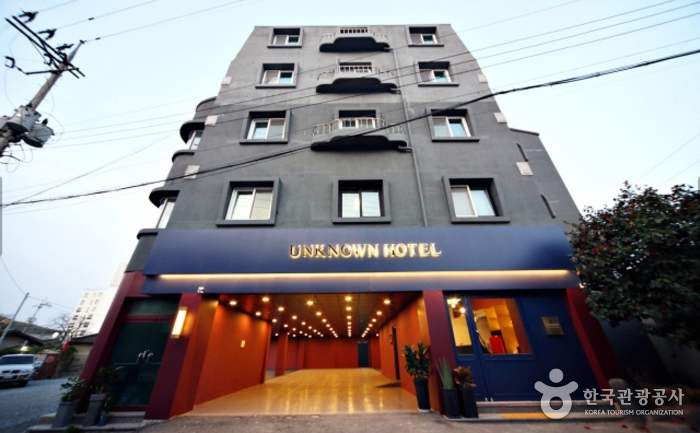
Unknown Hotel (언노운호텔)
19.7Km 2024-12-23
27 , Damju 1-gil, Damyang-gun, Jeollanam-do
The Unknown Hotel in Damyang, Jeollanam-do, stands out because of its dramatic use of color, inspired by the extraordinary light and color of Edward Hopper’s interiors. There is a range of rooms, all with comfy king-size beds. The Signature Room has two bedrooms and a living room with a six-person table suitable for meetings and family gatherings. Guests can rent a bicycle from the hotel and enjoy a bike ride to Juknokwon Bamboo Forest, Gwanbangjerim Woods, and Redwood Road.
 English
 한국어
한국어 日本語
日本語 中文(简体)
 Deutsch
 Français
 Español
 Русский


