
Maryang Port (마량미향(마량항))
76.2M 2026-06-30
150 Mihang-ro, Maryang-myeon, Gangjin-gun, Jeonnam-Gwangju Special Metropolitan City
Maryang Port, situated along the pristine waters linking Wando Island, the Dadohae islands, and Jeju, is a notable destination. From April to October, it becomes the venue for the Maryang Nolto Fish Market every Saturday. This market is celebrated for its lavish food selections and the spectacle of raw fish being expertly sliced before visitors. Adjacent to the port, an observatory provides sweeping views of the stunning Gangjin seas. Additionally, the nearby Kkamakseom Island, recognized as a Natural Monument, is visible from this vantage point, adding to the area's allure.
Bichwie Muldeulda Gallery Cafe (비취에물들다)
6.6Km 2026-06-30
20-16 Cheongjachon-gil, Daegu-myeon, Gangjin-gun, Jeonnam-Gwangju Special Metropolitan City
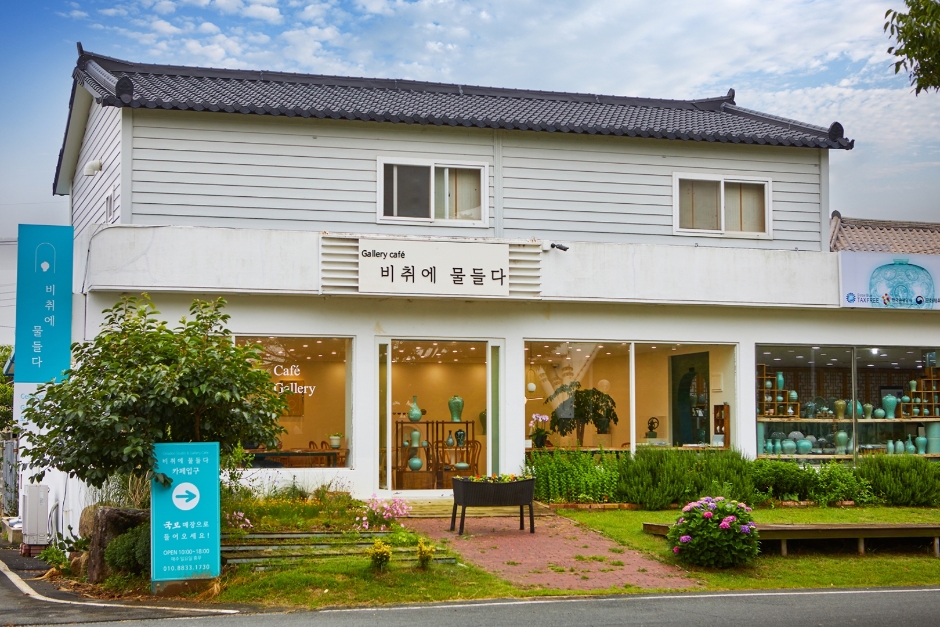
Gangjin is a historic place that produced celadon from the late Unified Silla period to the end of the Goryeo period. Bichwie Muldeulda Gallery Cafe is a celadon-themed gallery café run by Kim Bo-bae, who comes from a family of ceramic craftsmen and runs the ceramic craft store Gukbo, which is connected to the café. The Goryeo Celadon Museum is also nearby. This café makes coffee using a celadon coffee grinder and serves it in a celadon mug. Visitors can also enjoy a celadon hand painting experience and a potter's wheel experience here. Items made from the experience program will be be baked in a kiln and delivered through parcel service. The experience takes about 30 to 40 minutes.
Gangjin Goryeo Celadon Kiln Site (강진 고려청자 요지)
6.7Km 2026-06-30
Sadang-ri, Gangjin-gun, Jeonnam-Gwangju Special Metropolitan City
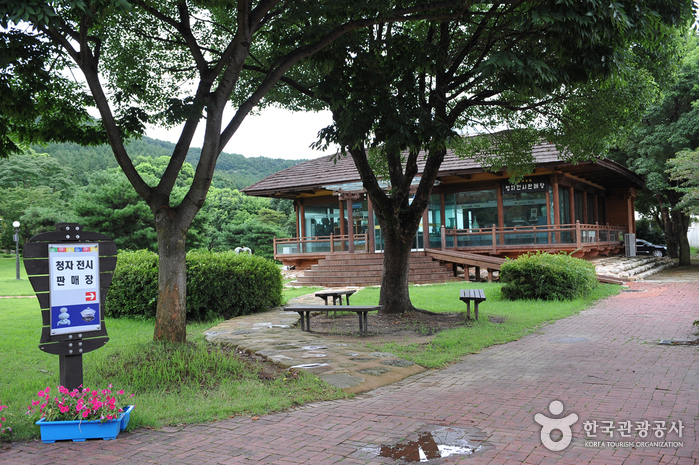
Daegu-myeon of Gangjin-gun was the primary site of Goryeo dynasty celadon production between the 9th and the 14th centuries. Covering approximately 150 acres of land in nine villages, the area has been designated as the National Historical Site since 1963, and continues to protect its 180 fire kilns and maintain the sophisticated art of celadon production. Meanwhile, celadons produced in this area have also been designated as national treasure, and regarded highly worldwide for their artistic value, so much so that some are preserved in the Louvre Museum in France.

Gangjin Goryeo Celadon Museum (강진 고려청자박물관)
6.8Km 2026-06-30
33, Cheongjachon-gil, Gangjin-gun, Jeonnam-Gwangju Special Metropolitan City
Goryeo Celadon Museum was established to preserve and promote Gangjin celadon, as well as foster knowledge and creativity in regards to celedon in the next generation. The exhibition halls feature smart pads and audio explanations, combining modern technology with ancient relics for better understanding. This museum is considered to be an informative historic site to get knowledge of Goryeo Celadon through the past, present and future.
Gaudo Island (가우도)
9.7Km 2026-06-30
473, Wolgot-ro, Gangjin-gun, Jeonnam-Gwangju Special Metropolitan City
Gaudo Island is the only populated island of the eight islands in Gangjinman Bay. The name comes from its appearance in relation to Boeunsan Mountain in Ganjin-eup, which looks like a cow’s head. The whole island resembles a cow’s meonge (curved stick around cow’s neck used to drag farming tool) so the island became to be called Gaudo Island (Ga: Meonge in Chinese characters).
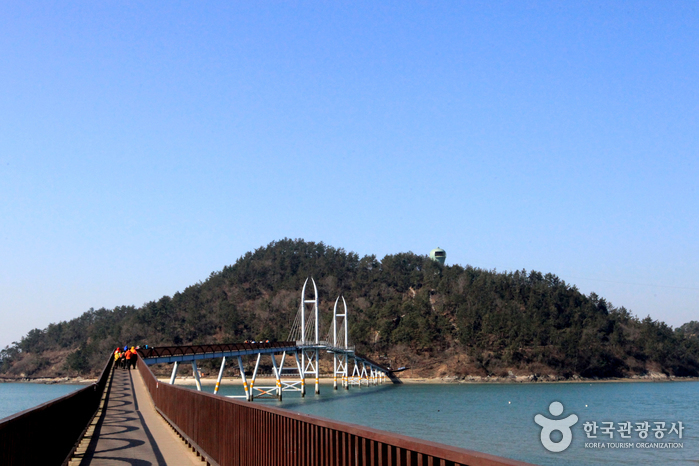
From Gaudo Island, Gangjinman Bay and the uninhabited islands can be seen in all directions. The coastal scenery is stunning and varied natural tourism resources grow here such as the silver magnolia, cypress colony, and Japanese black pines. Visitors can walk to the island from the mainland via a suspension bridge. When arriving to the island, a 2.5-kilometer long ecological exploring road along the mountain and coast is available. Also, fishing park which has various kinds of fishes is located in the spot where visitors can overlook at beautiful scenery of Gangjinman Bay. At the top of the island, visitors can enjoy a zip track which is an eco-friendly leisure facility, starting from the 25-meter Cheongja Tower.

Gaudo Suspension Bridge (가우도 출렁다리)
9.8Km 2026-06-30
San 7-1 Singi-ri, Doam-myeon, Gangjin-gun, Jeonnam-Gwangju Special Metropolitan City
Gaudo Island, the only inhabited island among Gangjin's eight islands, is connected to the mainland by a suspension bridge. The suspension bridges installed on both sides of the island have emerged as Gangjin's famous destination, attracting hundreds of thousands of visitors every year. While crossing the dizzying suspension bridge, one can see the wonderful seascape that changes in brightness depending on the waves. The footbridges, Jeodu Suspension Bridge (438 m) or Dasan Bridge (716 m), can be used to entrance Gaudo Island, and there is also a clean trail along the coastline. It takes about one to one and a half hours to walk across both bridges, making it a great place to enjoy a walk.
Gangjin Ziptrek (강진 짚트랙)
10.0Km 2026-06-30
49-9 Gaudo-gil, Doam-myeon, Gangjin-gun, Jeonnam-Gwangju Special Metropolitan City
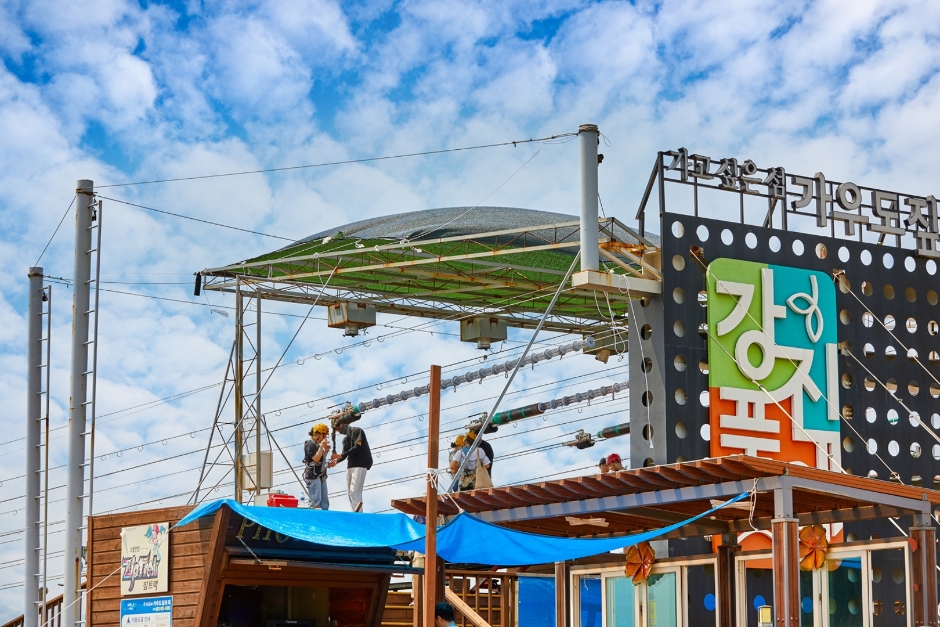
This exciting activity can be enjoyed at the 25-meter high celadon tower located in the center of Gaudo Island. Gaudo Ziptrek is approximately 1 kilometer long and boasts the longest one in Korea as a maritime experience facility. After wearing safety equipment on the tower's first floor, visitors can ride the Ziptrek at the top of the sixth floor. The ziptrek offers an exhilarating downhill slide that feels like flying in the sky with magnificent scenery that unfolds down below. The slide ends at the entrance to the suspension bridge.
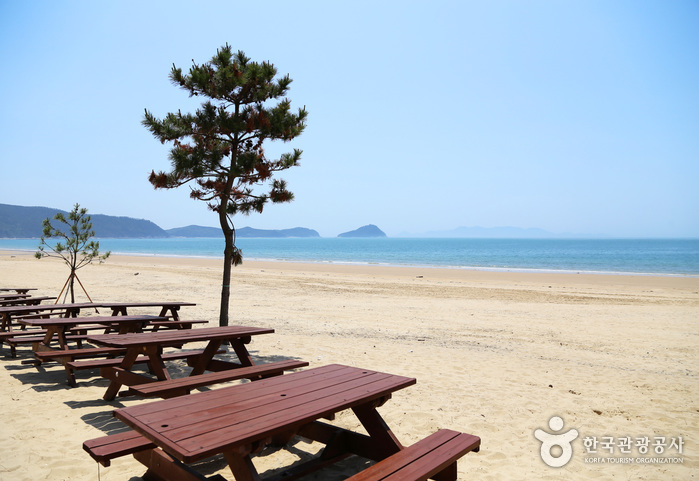
Sinji Myeongsasimni Beach (신지 명사십리해수욕장)
13.6Km 2026-06-30
Sinji-myeon, Wando-gun, Jeonnam-Gwangju Special Metropolitan City
Sinji Myeongsasimni Beach is located at the center of Dadohaehaesang National Park. The beach got its name from its singing sand, and the name can be literally translated to "sound of sand that can be heard from 4 kilometers away." The beach shore has a x_width of 150 meters and a length of 4 kilometers, covered with shimmering silver sand, and forms a gradual slope into the shallow water. The beach is not only popular for water activities, but also for its fine sand massage.
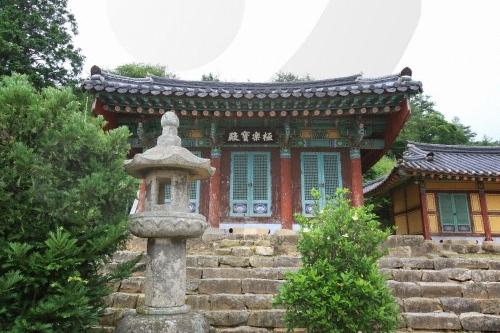
Jangheung Cheongwansa Temple (천관사(장흥))
13.6Km 2026-06-30
1272-473, Chilgwan-ro, Jangheung-gun, Jeonnam-Gwangju Special Metropolitan City
Cheongwansa Temple is situated in the middle of Cheongwansan Mountain and is believed to have been built by Monk Tongyeong during the Silla Kingdom. It was once home to over 1,000 monks in its 89 buildings. Beneath the temple’s humble exterior is an impressive collection of cultural properties including Cheongwansa Three-Story Pagoda (Treasure), Cheongwansa Seokdeung (stone lantern), Five-Story Pagoda, and Jangheung Tapsansaji Seokdeung (stone lantern). In addition, Cheongwansan Mountain is known for beautiful camellias in spring and gorgeous silver grass in fall as well as an array of fascinating rock formations. Visitors can also enjoy the views of Dadohae (an archipelago) from the top of the mountain.
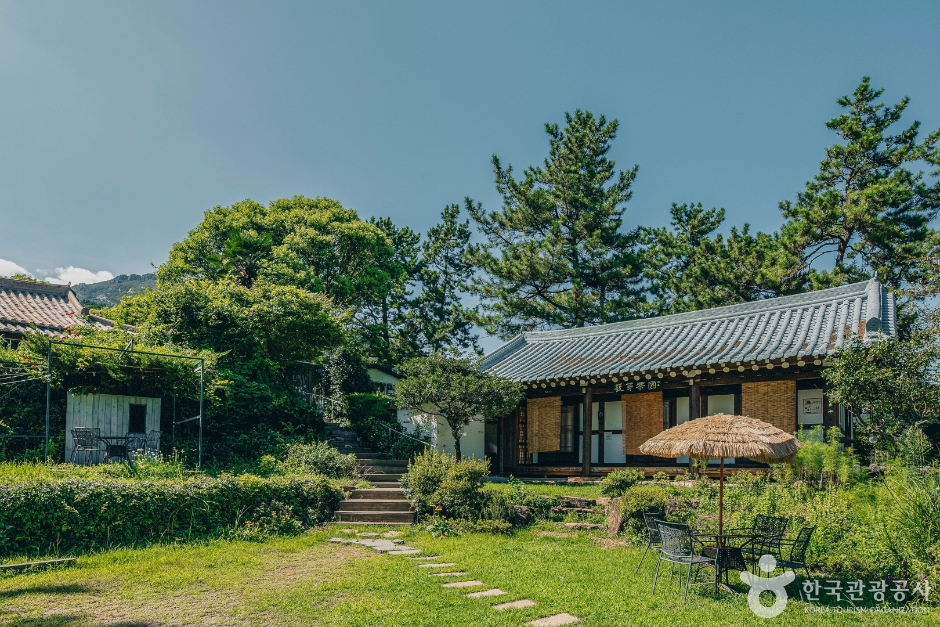
Seoladawon (설아다원)
14.3Km 2026-06-30
153-21 , Samseong-gil, Haenam-gun, Jeonnam-Gwangju Special Metropolitan City
Seola Dawon is a hanok stay at the foot of Mt Duryun in Haenam, Jeollanam-do. It began as a tea plantation whose owner wanted to pass on his love for traditional tea culture to the next generation. Many visitors came and they needed accomodation, so the owner built a small stone guest room. Now there are 8 guestrooms, including a clay house, a timber frame house, and an earthbag house; while the work of promoting tea cultivation and culture continue.
 English
 한국어
한국어 日本語
日本語 中文(简体)
 Deutsch
 Français
 Español
 Русский


