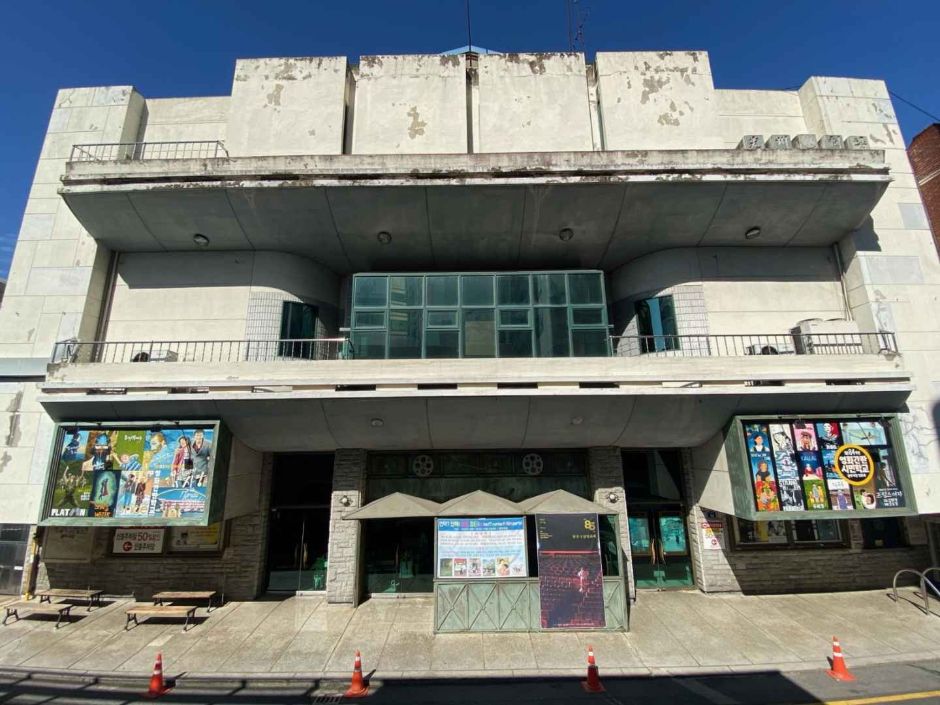
Gwangju Cinema (광주극장)
10.4Km 2026-06-30
10 Chungjang-ro 46beon-gil, Dong-gu, Jeonnam-Gwangju Special Metropolitan City
Gwangju Cinema opened in 1935 as an artistic and independent film theater and is the sole single-screen cinema to operate in Korea. In the past, the cinema mainly focused on Korean-focused productions such as pansori, but also screen Japanese films to increase business.

Yangnim History & Culture Village (양림역사문화마을)
10.5Km 2026-06-30
7 Seoseopyeong-gil, Nam-gu, Jeonnam-Gwangju Special Metropolitan City
Yangnim History & Culture Village is located in the area where Western items and ideas first entered Gwangju over 100 years ago. As such, the neighborhood has a unique collection of Western architecture mixed with traditional hanok houses. There are also many houses of Christian missionaries, who facilitated the advancement of medicine and education in Gwangju. Some areas, such as Penguin Village, have been decorated with murals and outdoor exhibitions to promote art and tourism, helping the elderly locals to make a living.
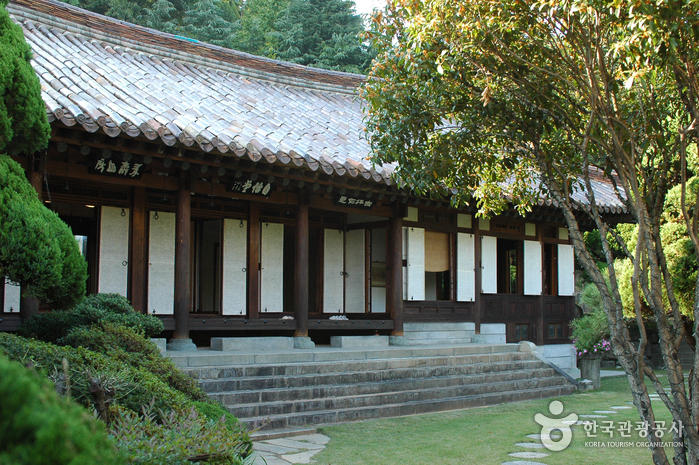
House of Choi Seung-hyo (최승효가옥)
10.5Km 2026-06-30
29-4, Yangchon-gil, Nam-gu, Jeonnam-Gwangju Special Metropolitan City
The House of Choi Seung-hyo is a traditional residential building located on the southeastern slopes of Yangnimsan Mountain. The rectangular building is open to the east, has 8 kan (the space between two pillars) in the front and 4 kan to the sides, and is graced by a traditional hipped and gabled roof. Since the building was constructed in the 1920s, it offers a valuable glimpse into the architectural style of Korean houses at the end of the Japanese colonial period. Choi Sang-hyeon was an activist who offered his attic as a place of refuge for other activists.
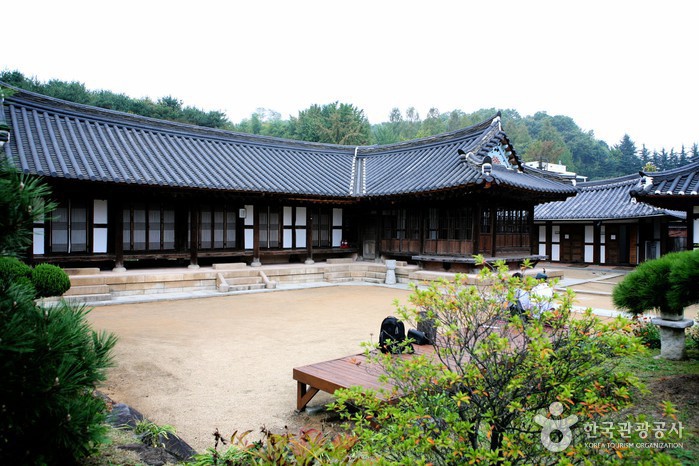
Lee Jang-woo's House (이장우 가옥)
10.5Km 2026-06-30
21 Yangchon-gil, Nam-gu, Jeonnam-Gwangju Special Metropolitan City
Designated the first Gwangju Folk Material on March 20, 1989, Lee Jang-woo's House is an upper-class, tile-roofed house with a gate, storeroom, servants’ quarters, detached building, and main building. The building is estimated to have been constructed in 1899 and is overall a sturdy example of Korean architecture, well-preserved in its original state. The L-shaped main hall of the historic building is rather large and consists of (left to right) a wooden verandah, a small room, a hall, the main room, a kitchen, and another small room. The room doors are double doors with a sliding door on the inside and a hinged door on the outside. The hall also has partitions that can be hung up as necessary.
◎ Travel information to meet Hallyu’s charm - movie "Meet the In-Laws"
This hanok served as Hyeon-joon’s (played by Song Sae-byeok) family home in Jeolla-do in the movie "Meet the In-Laws." With its well-preserved architecture and traditional Korean garden, it captures the elegance and charm of early modern Korea.
Han Hee-won Art Museum (한희원미술관)
10.5Km 2026-06-30
27-6, Yangchon-gil, Nam-gu, Jeonnam-Gwangju Special Metropolitan City
Han Hee-won Art Museum is a small hanok art museum in the back alley of Yangnim-dong.
Painter Han Hee-won grew up in Yangnim-dong, where he was influenced as a painter. In July 2015, he purchased a small hanok between the House of Yi Jang-u and the House of Choe Seunghyo and transformed it into an art museum to preserve and show the spirit of love, comfort, and art in his hometown, Yangnim-dong. An art museum with a low threshold approaching citizens with a humble mind, Han Hee-won Art Museum is open to anyone. Feel free to visit, appreciate the paintings, and be comforted through art.
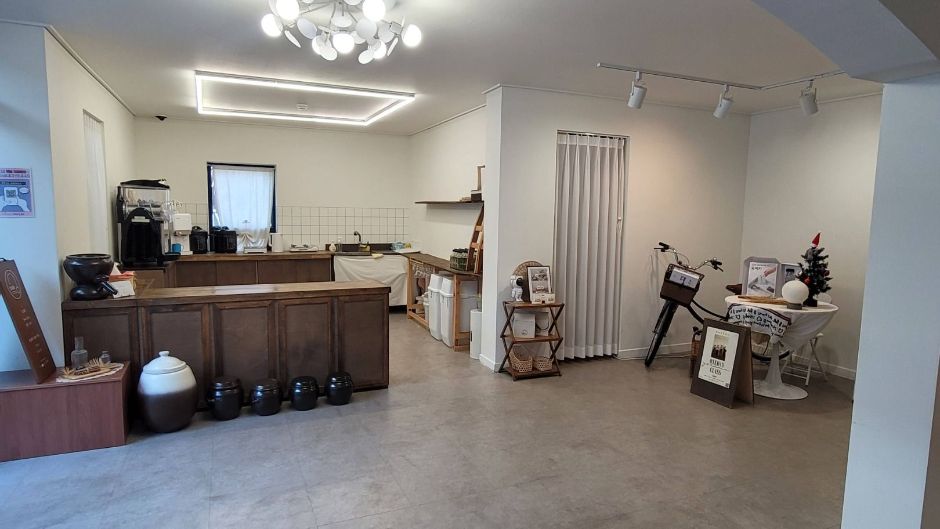
YODAMN (요담엔)
10.5Km 2026-06-30
39-2 Jami-ro 66beon-gil, Buk-gu, Jeonnam-Gwangju Special Metropolitan City
YODAMN is a Gwangju-based Company redefining Korea’s fermented traditions. It is known for its premium rice nuruk, a traditional Korean fermentation starter, and products like Yoando yogurt, a malted yogurt and Yomakkey, a makgeolli kit. The company is engaged in research, liquor development, and provides consultation services. Additionally, it offers unique experiences, such as one-day traditional liquor brewing classes, and sells its uniquely developed products. It is a great place for visitors to experience the Gwangju local traditional liquor culture.
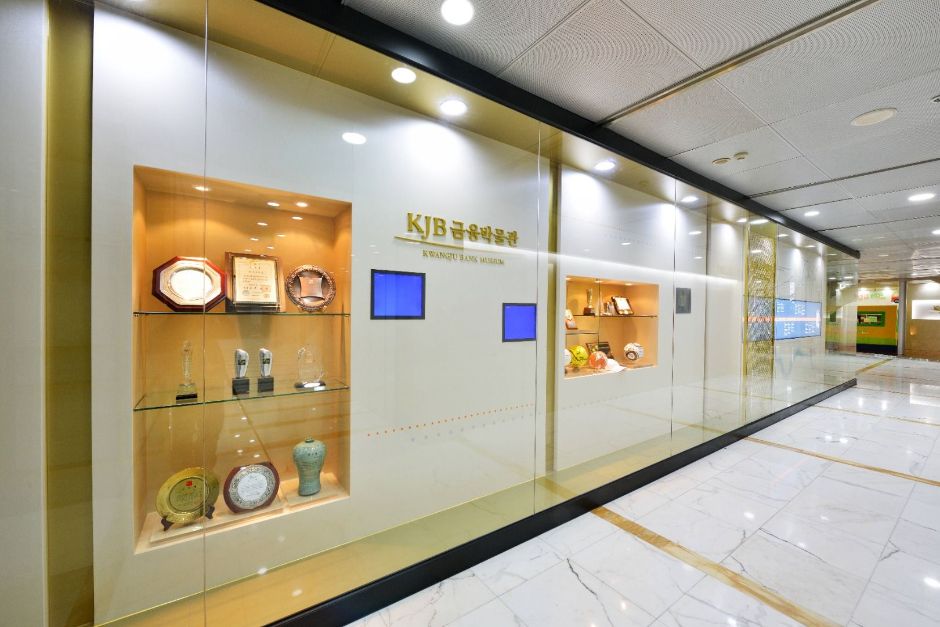
Kwangju Bank Museum (KJB금융박물관 (광주은행 금융박물관))
10.6Km 2026-06-30
225 Jebong-ro, Dong-gu, Jeonnam-Gwangju Special Metropolitan City
Kwangju Bank Museum established to celebrate the 44th anniversary of the bank, is the first financial bank in the Honam region. Visitors can explore a collection of over one thousand financial artifacts and learn about the history of financial institutions in the region, as well as the evolution of Korean and global currency at the museum. The museum offers financial educational programs for various age groups and also provides a cultural space, allowing visitors to connect through art and learn more about the region's heritage.
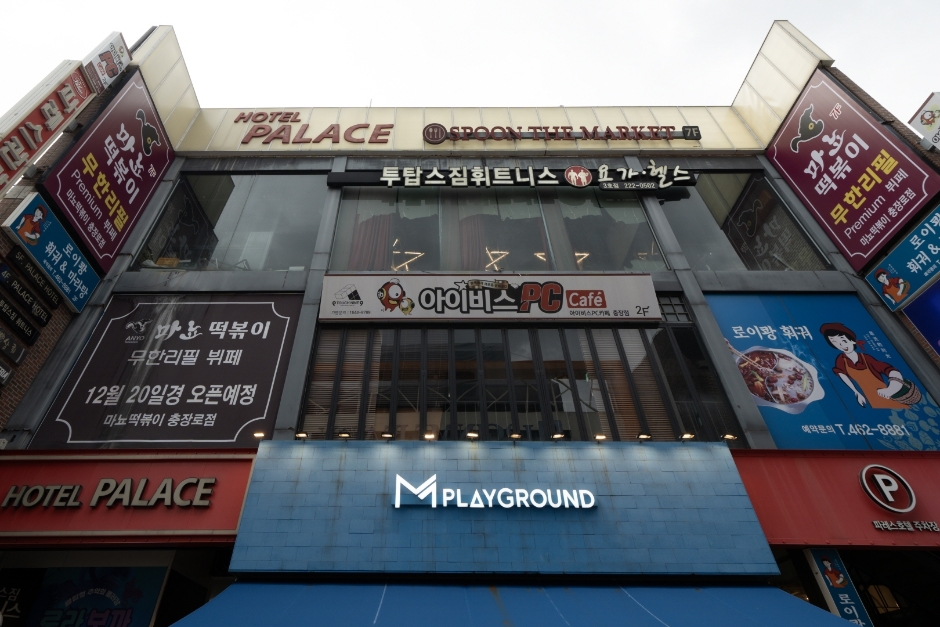
Palace Tourist Hotel (파레스 관광호텔)
10.6Km 2026-06-30
13, Jungang-ro 160beon-gil, Dong-gu, Jeonnam-Gwangju Special Metropolitan City
Palace Tourist Hotel is located only a six-minute walk from Geumnamro 4(sa)-ga Station on Gwangju Subway Line 1. Nearby attractions within walking distance include Gwangju Art Street and Yangdong Market.
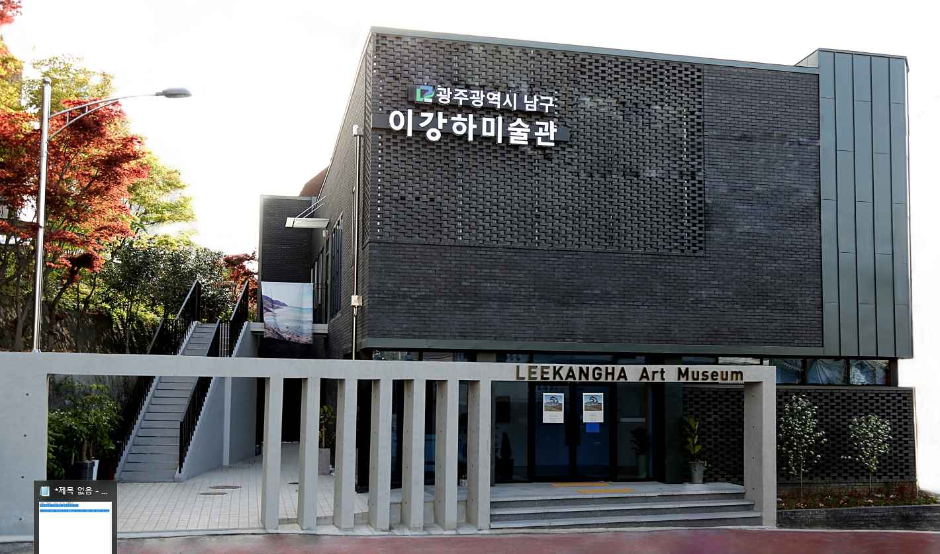
LEEKANGHA Art Museum (이강하미술관)
10.6Km 2026-06-30
6 3·1manseundong-gil, Nam-gu, Jeonnam-Gwangju Special Metropolitan City
The LEEKANGHA Art Museum, opened in 2018, offers a range of exhibitions, educational programs, and a research center. Visitors can explore the life and art world of Lee Kang-ha in different eras through various exhibitions and gain a deeper understanding of art with performances and educational programs. The museum aims to foster empathy and communication to enrich cultural knowledge by using diverse art-culture experience programs.
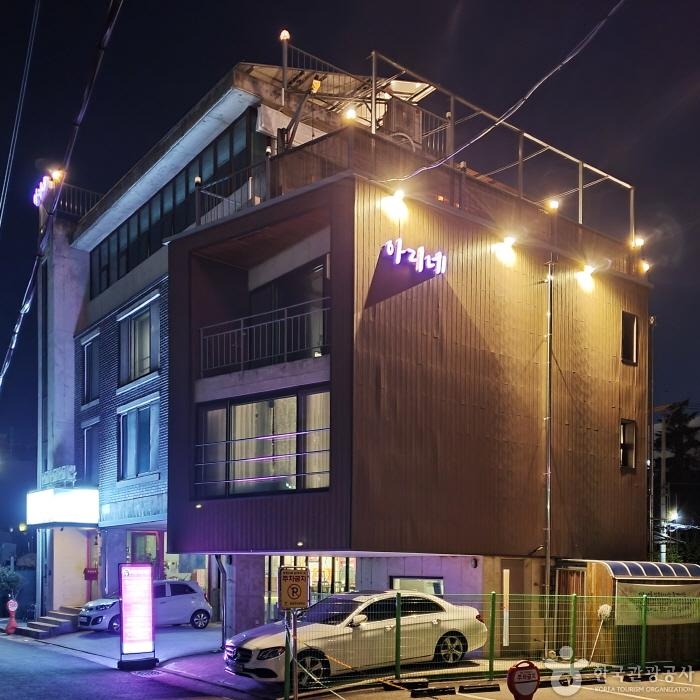
Arie-ne guesthouse (아리네 게스트하우스)
10.7Km 2026-06-30
6 , Cheonbyeonjwa-ro 428beon-gil, Nam-gu, Jeonnam-Gwangju Special Metropolitan City
Ariene Guesthouse is an integrated cultural platform located in Yangrim-dong, Nam-gu, Gwangju. The accomodation is located in the downtown area of Gwangju, making it both easily accessible and affordable. On the first basement floor, there is Yanglim Culture Hall, a lounge cafe on the first floor, and a rooftop party room on the fourth floor. The guesthouse has nine rooms on the second and third floors, including double rooms, twin rooms, ondol rooms, and separate dormitory rooms for men and women. Each room is equipped with a bathroom for guests' convenience, and breakfast is provided at no charge. A fee is charged for laundry services. There are modern cultural and historic sites nearby.
 English
 한국어
한국어 日本語
日本語 中文(简体)
 Deutsch
 Français
 Español
 Русский


