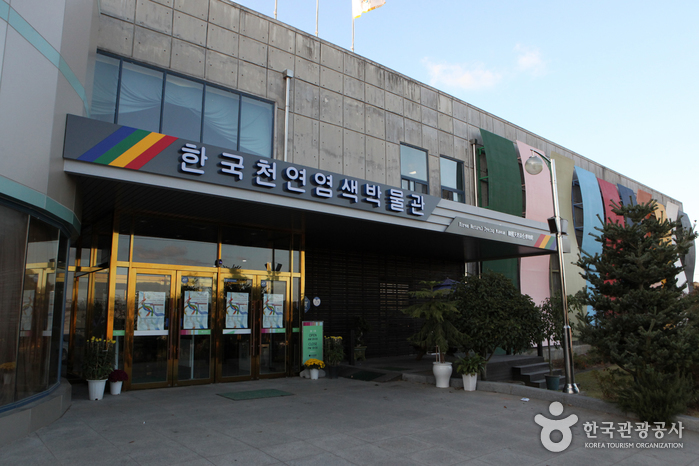
Natural Dyeing Culture Center (한국천연염색박물관)
19.6Km 2021-12-07
379, Baekho-ro, Naju-si, Jeollanam-do
+82-61-335-0160
The area of Naju has long been at the forefront of the natural dyeing and silk production industry. The natural setting of fresh water from the Yeongsangang River along with the salt water from the sea are perfect for growing the plants necessary for a deep indigo color. As such, it is the only area to be recognized for its natural dyeing (Important Intangible Cultural Heritage) by the Cultural Heritage Administration. The best place to experience this local heritage is at the Natural Dyeing Culture Center. The center offers experience programs and educational programs, as well as exhibitions and sales of naturally dyed products.

Hwanbyeokdang Pavilion (환벽당)
19.6Km 2023-01-25
10, Hwanbyeokdang-gil, Buk-gu, Gwangju
+82-62-510-1500
Hwanbyeokdang Pavilion was built by Yeongcheonja Sinjam and was also called Byeokgandang, which is recorded in Go Gyeong-myeong's Yuseoseongnok. The building has a hipped-and-gabled roof with three bays in the front space and two bays in the inside space. It is a modified form in which the two rooms in the middle are used as rooms, and the front and right sides are floors. Originally, it was a traditional pavilion, but it seems to have changed to its current form as it was expanded later. A tablet written by Uam Song Si-yeol hangs here, and the poems of Seokcheon Im Eok-ryeong and Jo Ja-i are on a signboard. There are two poems written by Jeong Cheol about Hwanbyeokdang Pavilion, which are published in Songgangsokjip and Gwangjumokji. Jeong Cheol's 4th-generation descendant Jeong Su-hwan bought it from Kim Yun-je's descendants, and Yeon Il-jeong's family is currently managing it.
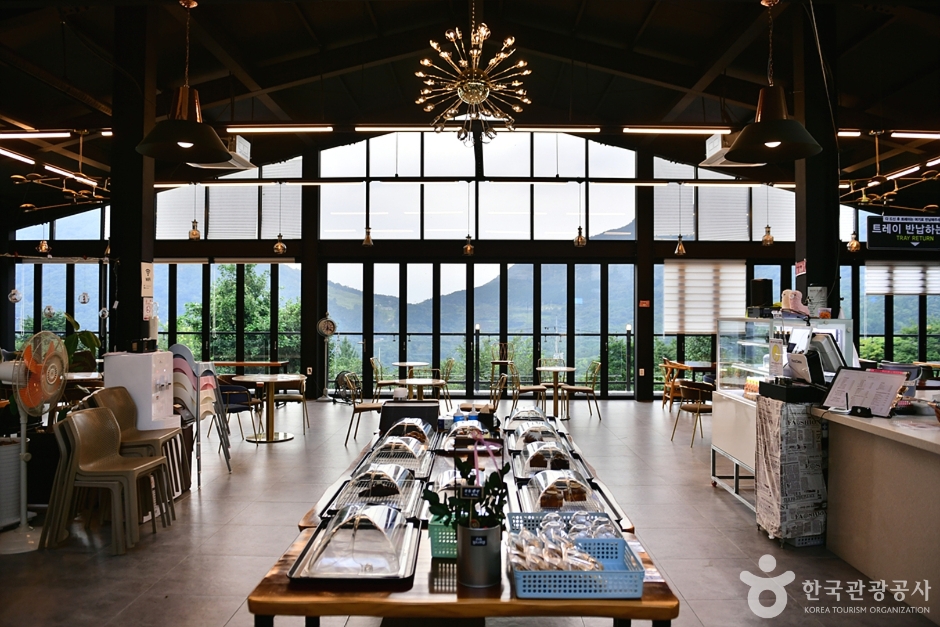
Hola Alpaca Café (올라알파카카페)
19.6Km 2024-02-20
477 Anyangsan-ro, Hwasun-eup, Hwasun-gun, Jeollanam-do
Hola Alpaca Café is a bakery café in Hwasun where visitors can see alpacas up close and experience feeding them. Its signature menu item is the Alpaca cube latte, where espresso cubes shaped like alpacas are melted into milk. The café offers a popular spot for enjoying beverages and desserts while overlooking the scenic views of Manyeonsan Mountain.
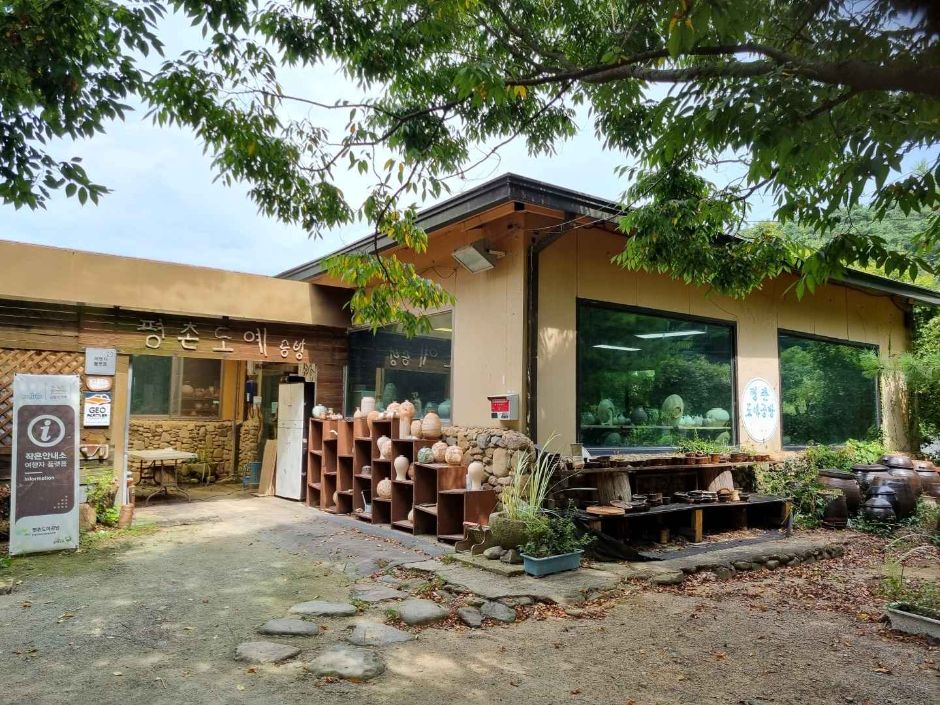
Pyeongchon Ceramics Workshop (평촌도예공방)
19.8Km 2024-11-14
77 Damanpyeongmu-gil, Buk-gu, Gwangju
The Pyeongchon Ceramics Workshop keeps the spirit of traditional Korean Buncheong pottery alive by offering an experiential learning space and hands-on programs that blend classic Korean and contemporary styles. Visitors can create unique pieces that capture the rustic beauty of tradition while keeping the modern flair.
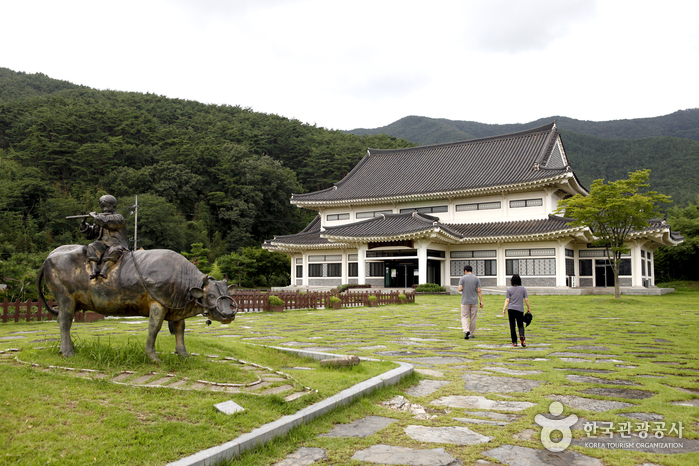
Korea Gasa Literature Collection (한국가사문학관)
19.8Km 2021-09-07
877, Gasamunhak-ro, Damyang-gun, Jeollanam-do
+82-61-380-2701
The Gasa Literature Collection was completed in October 2000 and is located in Damyang, Jeollanam-do, an area which is famous for its fertile land and rich historical heritage. Apart from the main building, additional buildings include a souvenir shop, and traditional tea house. In the museum, historical literature such as “Myeonangjip” (a collection of Gasa poems by Song Sun) and “Songgangjip,” (a collection of Gasa poems by Jeong Cheol) are on display. There are 11,461 artifacts and literature on Gasa culture, 18 Gasa works, and 15,000 books about Gasa.
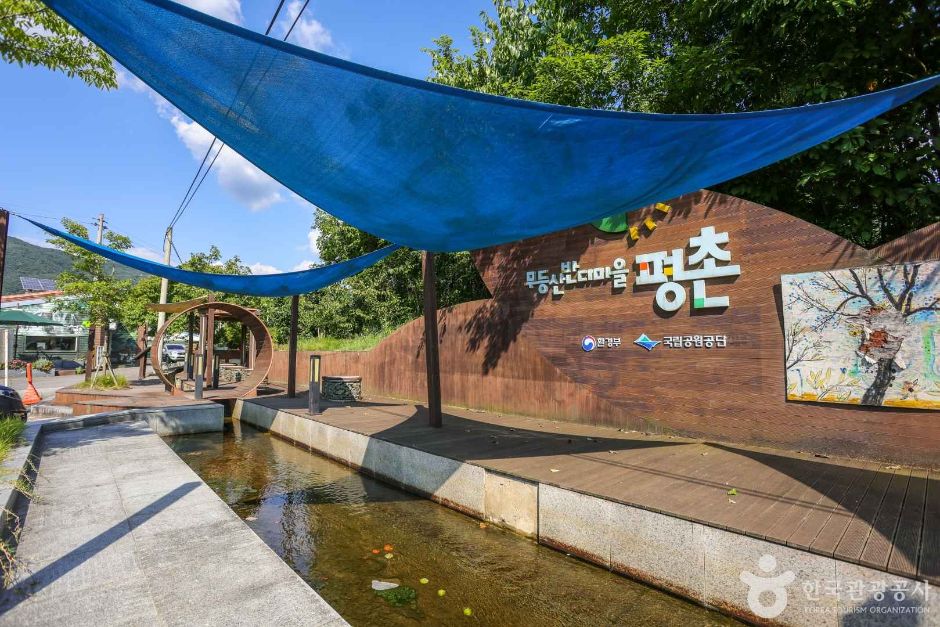
Gwangju Pyeongchon Village (광주 평촌마을)
19.9Km 2025-08-12
15 Pyeongchon-gil, Buk-gu, Gwangju
+82-62-266-2287
Gwangju Pyeongchon Village, located north of Mudeungsan Mountain, is a cozy farming village made up of four villages Dongrim, Daman, Woosung, and Dangmoe. The village still has an excellence natural preservation, growing environmental-friendly rice in the fields and Punamcheon stream that runs through the middle of the village is home to fireflies and otters. The village also keeps the tradition of making pottery as the village was the place that made grayish-blue-powdered celadon during the Joseon dynasty. The village street corner offers visitors to Mudeungsan Mountain a place to rest with Mudol-gil shelter and Bandi lodging.
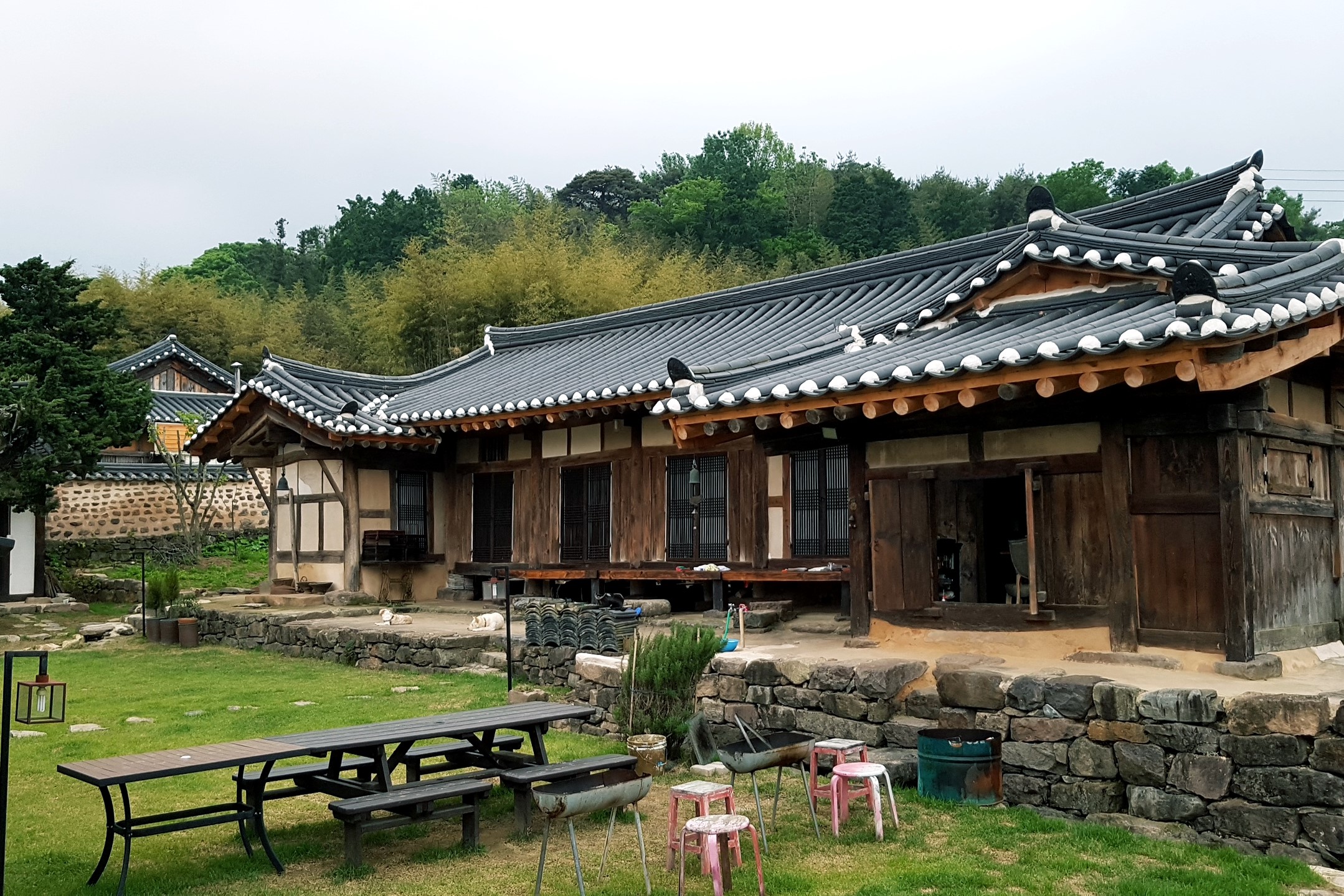
YangDongHo Traditional House (Hanok 152) / 양참사댁(양동호 가옥 / 한옥152)
19.9Km 2025-03-05
24 , Darasil-gil, Hwasun-gun, Jeollanam-do
+82-10-4200-6789
Yangchamsa House, also known as Yangdongho House, is a hanok stay in Hwasun, Jeollanam-do - a 300-year-old yangban dwelling now designated a national folk cultural asset. There are five guestrooms of different sizes in the anchae and sarangchae. The house hosts exhibitions and concerts from time to time, and can be hired for weddings, banquets or workshops. There’s a traditional cultural experience program. Nearby must-visit places are Hakjae Old House and Hwasun Dolmen Site in the village, and Unjusa Temple (a 15-minute drive away).
 English
 한국어
한국어 日本語
日本語 中文(简体)
 Deutsch
 Français
 Español
 Русский


