
Duryunsan Cable Car (두륜산케이블카)
14.1Km 2026-06-30
88-45 Daeheungsa-gil, Haenam-gun, Jeonnam-Gwangju Special Metropolitan City
Duryunsan Mountain (700 meters) is a famous mountain in Jeollanam-do. With its eight peaks, it is home to many temples and historic sites. The mountain also holds great importance in plant chorology as its forests consist of warm-temperate broad-leaved evergreens and deciduous broad-leaved trees. The mountain peak can be reached by trekking for about 2-3 hours from the entrance of Daeheungsa Temple or by the Daeryunsan Cable Car (one way 8-minute), which departs from the entrance on the opposite side of the mountain and takes visitors to a spot right below the peak. From the mountain summit, there is a view of the southern sea and on a clear day, it is possible to see as far as Hallasan Mountain on Jeju Island. Nearby tourist attractions include Uhangri Dinosaur Museum Complex, Usuyeong Tourism Village and Ttangkkeut Village.
Jangheung Cheongwansa Temple (천관사(장흥))
14.4Km 2026-06-30
1272-473, Chilgwan-ro, Jangheung-gun, Jeonnam-Gwangju Special Metropolitan City
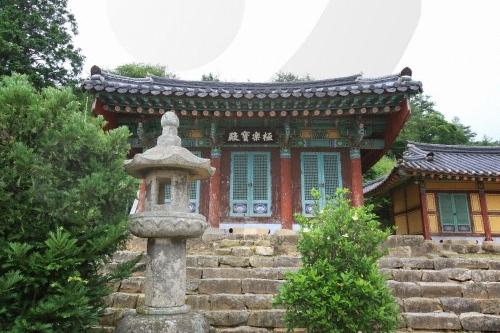
Cheongwansa Temple is situated in the middle of Cheongwansan Mountain and is believed to have been built by Monk Tongyeong during the Silla Kingdom. It was once home to over 1,000 monks in its 89 buildings. Beneath the temple’s humble exterior is an impressive collection of cultural properties including Cheongwansa Three-Story Pagoda (Treasure), Cheongwansa Seokdeung (stone lantern), Five-Story Pagoda, and Jangheung Tapsansaji Seokdeung (stone lantern). In addition, Cheongwansan Mountain is known for beautiful camellias in spring and gorgeous silver grass in fall as well as an array of fascinating rock formations. Visitors can also enjoy the views of Dadohae (an archipelago) from the top of the mountain.
Seoladawon (설아다원)
14.5Km 2026-06-30
153-21 , Samseong-gil, Haenam-gun, Jeonnam-Gwangju Special Metropolitan City
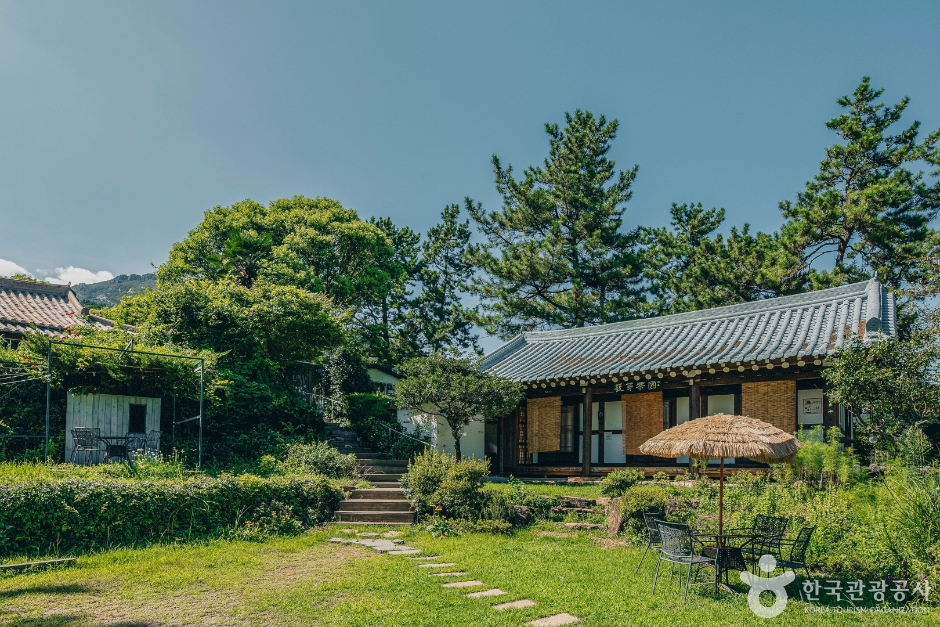
Seola Dawon is a hanok stay at the foot of Mt Duryun in Haenam, Jeollanam-do. It began as a tea plantation whose owner wanted to pass on his love for traditional tea culture to the next generation. Many visitors came and they needed accomodation, so the owner built a small stone guest room. Now there are 8 guestrooms, including a clay house, a timber frame house, and an earthbag house; while the work of promoting tea cultivation and culture continue.
Geomokjang Minbak Lodging (거목장민박)
14.7Km 2026-06-30
63 , Minbakchon-gil, Haenam-gun, Jeonnam-Gwangju Special Metropolitan City
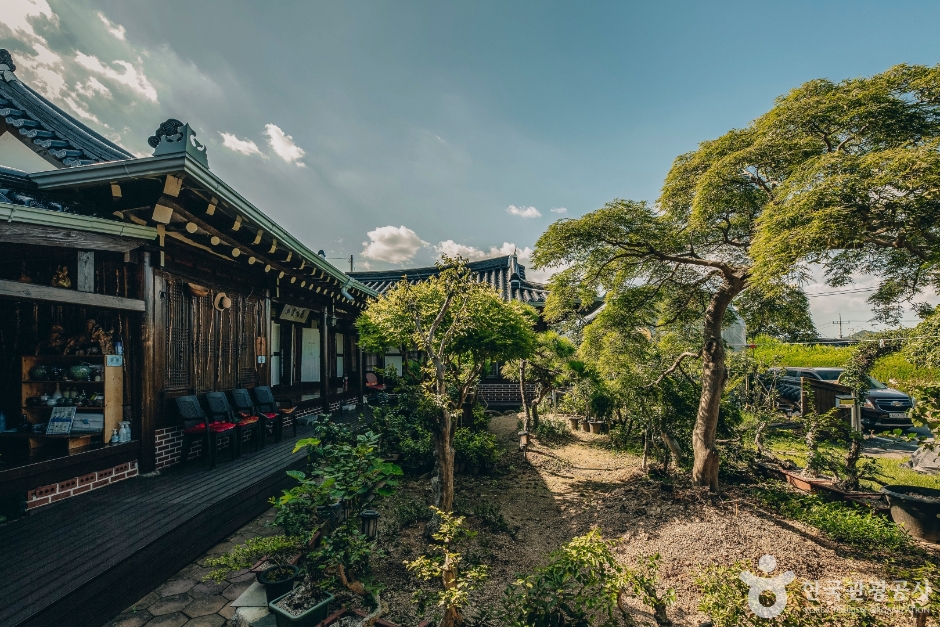
Geomokjang Minbak (‘B&B’) stands at the foot of Mount Doryunsan, Hanam-gun, Jeollanam-do, and is part of Museon Hanok Minbak Village. The hanok’s pillars and rafters are built of old pinewood, and the wooden floors, windows and doors are lined with Korean paper. All 7 rooms have modern bathrooms. In the large tree-shaded yard you can experience bonsai making for a small fee, while beyond the low stone wall are fields and trees. Geomokjang is a good base for exploring Haenam and is on the way to Daeheungsa, a temple with a thousand years of history.
Duryunsan Provincial Park (두륜산도립공원)
15.2Km 2026-06-30
400, Daeheungsa-gil, Haenam-gun, Jeonnam-Gwangju Special Metropolitan City
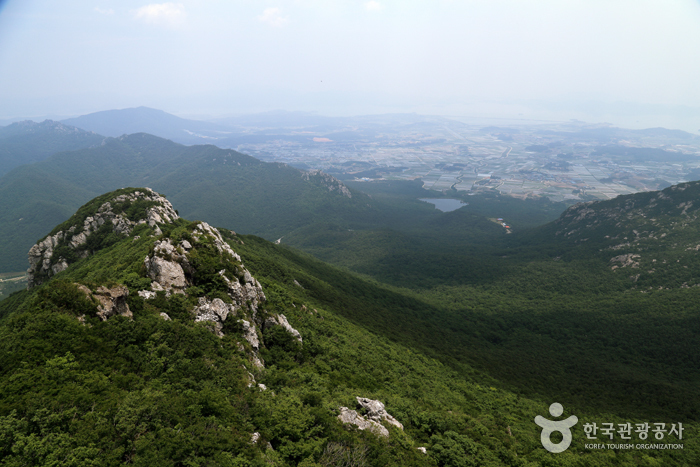
Containing many Buddhist temples and ruins as well as spectacular scenery, the 700 meter-tall Duryunsan Mountain is located at the southernmost point of the Korean peninsula. Forested by subtropical green broadleaf trees and temperate deciduous broadleaf trees, the mountain is valued highly for observing plant chorology. There are many fields of silver grass, and the summit of the park's eight peaks provide vistas of the western and southern sea.
During the fifth year of King Jinheung's reign (514), the Buddhist monk Ado built Daedunsa Temple, which is a place of great historical value as it is also related to the Buddhist monk Seosan. The temple is built among dense woodlands, consisting of maple trees and camellias. Breathtaking scenery of valleys and luxuriant trees can be seen on both sides of the 2-kilometer-long road leading to the temple.
Maryang Port (마량미향(마량항))
15.8Km 2026-06-30
150 Mihang-ro, Maryang-myeon, Gangjin-gun, Jeonnam-Gwangju Special Metropolitan City
Maryang Port, situated along the pristine waters linking Wando Island, the Dadohae islands, and Jeju, is a notable destination. From April to October, it becomes the venue for the Maryang Nolto Fish Market every Saturday. This market is celebrated for its lavish food selections and the spectacle of raw fish being expertly sliced before visitors. Adjacent to the port, an observatory provides sweeping views of the stunning Gangjin seas. Additionally, the nearby Kkamakseom Island, recognized as a Natural Monument, is visible from this vantage point, adding to the area's allure.
Cheongwansan Provincial Park (천관산도립공원)
16.5Km 2026-06-30
Cheongwansan-gil, Jangheung-gun, Jeonnam-Gwangju Special Metropolitan City
Cheongwansan Provincial Park is located on Cheongwansan Mountain, which is considered one of the best mountains in southwest Korea, along with Jirisan, Naejangsan, Wolchulsan and Naebyeonsan mountains. The name of Cheongwan comes from the fact that the surrounding boulders resemble a thorny crown worn by an emperor. In autumn, fields of silver grass unfold around the mountain peak, allowing for the Cheongwansan Silver Grass Festival to take place on Yeondaebong (silver grass plain). Also, from the top of the mountain, several grand landmarks like Dadohae archipelago, Wochulsan Mountain and Mudeungsan Mountain in nearby cities can be seen. On a clear day, visitors can even see Hallasan Mountain on Jeju Island. In the middle of the mountain is Cheongwansa Temple, which houses precious cultural properties including Cheongwansa Three-Story Pagoda (Treasure No. 795), Cheongwansa Seokdeung (stone lantern), Five-Story Pagoda, and Jangheung Tapsansaji Seokdeung (stone lantern).
Gangjin Moonlight Hanok Village (강진달빛한옥마을)
17.9Km 2026-06-30
2 Dalbithanok-gil, Seongjeon-myeon, Gangjin-gun, Jeonnam-do
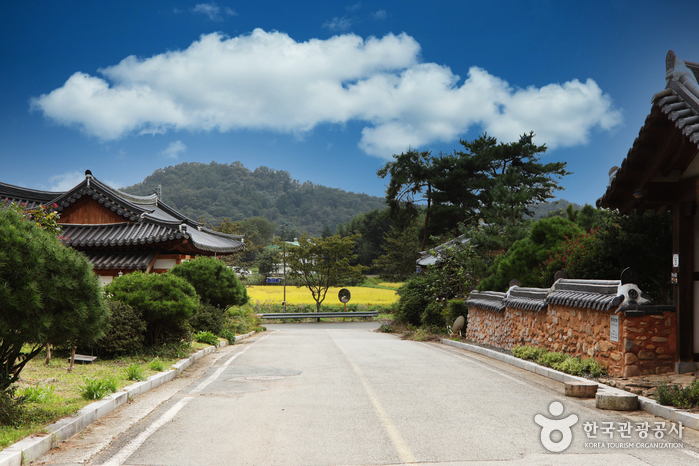
This village with 29 hanok (traditional Korean house) is surrounded by Wolchulsan Mountain like a folding screen. About 10 of those unique houses offer a friendly hanok lodging experience for tourists by renting out one or two guestrooms. It is fun to see the yards of each house decorated differently from its front yard. The observatory at the village offers a panoramic view of towering Wolchulsan Mountain, expansive tea fields, rice paddies, and the cozy Gangjin Moonlight Hanok Village at a glance.
![Hwadamjae[Korea Quality] / 화담재[한국관광 품질인증]](http://tong.visitkorea.or.kr/cms/resource/79/2803479_image2_1.jpg)
Hwadamjae[Korea Quality] / 화담재[한국관광 품질인증]
18.0Km 2026-06-30
3 , Dalbithanok-gil, Gangjin-gun, Jeonnam-Gwangju Special Metropolitan City
Hwadamjae is a hanok pension located at the entrance of Dalbit Hanok Village in Gangjin, Jeollanam-do, that offers pet-friendly accommodations. There are four cozy rooms that can accommodate two to three people each. The Dalbit room, constructed with red clay, is heated using the gudeuljang system (underfloor heating). The Dalbit Maru room is also decorated with cypress, so even after a full night's sleep, you can still feel your head clear from the soothing scent of cypress. Across the yard are large and small jangdokdaes (traditional earthen jars) and an area where you can play traditional games.
![Dalbit Hanok Suryuhwagae [Korea Quality] / 달빛한옥 수류화개 [한국관광 품질인증]](http://tong.visitkorea.or.kr/cms/resource/65/2808465_image2_1.png)
Dalbit Hanok Suryuhwagae [Korea Quality] / 달빛한옥 수류화개 [한국관광 품질인증]
18.0Km 2026-06-30
5 , Dalbithanok-gil, Gangjin-gun, Jeonnam-Gwangju Special Metropolitan City
Located in Gangjin Dalbit Hanok Village, Suryuhwagae is an accommodation in a form of a traditional Korean housing that stands in front of magnificent Wolchulsan Mountain and filled with green tea aroma that lingers from the breeze coming from Wolchulsan Dawon (tea plantation). The warm ambiance makes guests feel as if visiting a relative’s house in the countryside. The picturesque scenery of the hanok with a yard filled with flowers is surely impressive. The owner serves welcome tea when guests arrive. There are only two guest rooms: Byeolbit Room and Dalbit Room. The two rooms are good for two and three guests, respectively, or can be booked together to enjoy the whole hanok without other guests. Both rooms each have a numaru (hanok balcony) and a private bathroom. Through the numaru window, guests can enjoy the view of the grass yard and the starry sky at night. Guests are served healthy Korean food as complimentary breakfast. The owner prepares a healthy meal with crops picked from the garden.
 English
 한국어
한국어 日本語
日本語 中文(简体)
 Deutsch
 Français
 Español
 Русский


