![Bogeumjari[Korea Quality] / 보금자리[한국관광 품질인증]](http://tong.visitkorea.or.kr/cms/resource/70/2991370_image2_1.jpg)
Bogeumjari[Korea Quality] / 보금자리[한국관광 품질인증]
6.4Km 2024-10-30
55 , Dalbithanok-gil, Gangjin-gun, Jeollanam-do
+82-10-4714-1951
Bogeumjari is a cozy accommodation located in Gangjin Dalbit Hanok Village, Boseong, Jeollanam-do. It has two rooms, one of which is a Gudeul room, an underfloor heated room heated by wood burning in the furnace and with walls made of cypress. The Numaru room has a separate door leading to the outer numaru and pavilion. Sitting on the pavilion in the middle of the yard, you can see the ridge of Wolchulsan Mountain and the green tea fields in the distance. Welcome tea, refreshments, and complimentary breakfast are provided.
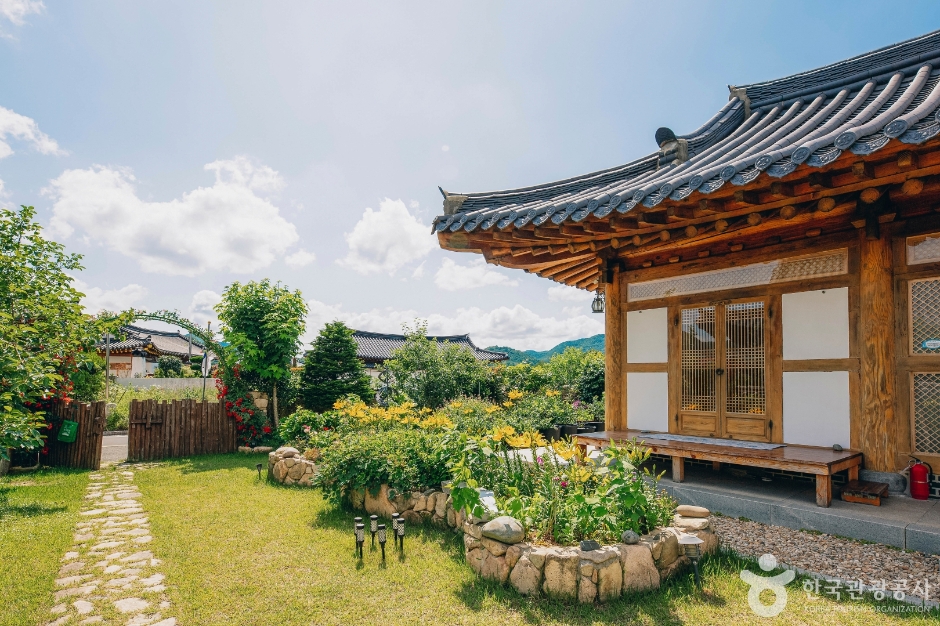
Dalbit Hanok Experience Byeolyu Punggyeong (달빛한옥체험 별유풍경)
6.4Km 2024-10-30
32 , Dalbithanok-gil, Gangjin-gun, Jeonnam-do
+82-10-2038-7755
Dalbit Hanok Experience Byeolyu Punggyeong is a hanok accommodation built using natural materials, such as red clay, cypress, and soil. It is located in the inner alley of Dalbit Hanok Village in Gangjin, Jeonnam-do. There are two guest rooms, Pine Scent and Cypress Tree, where thick cypress logs are placed to softly exude the aroma of phytoncide, and the living room with hanging rafters has wooden furniture to provide a sense of comfort and coziness. The yard is adorned with colorful flowers. Breakfast is served with vegetables grown in the garden that are pollution-free.
![Haerodang[Korea Quality] / 해로당[한국관광 품질인증]](http://tong.visitkorea.or.kr/cms/resource/84/2991384_image2_1.jpg)
Haerodang[Korea Quality] / 해로당[한국관광 품질인증]
6.4Km 2024-10-30
57 , Dalbithanok-gil, Gangjin-gun, Jeollanam-do
+82-10-9417-7517
Haerodang is a hanok accommodation located in Gangjin Dalbit Hanok Village in Boseong, Jeollanam-do. There are three rooms made of red clay scented with the aroma of cypress trees. The Sunset room is the largest room and has a toenmaru (narrow wooden porch) from which you can view the ridge of Wolchulsan Mountain. Sandeuljeong is the coolest during the summer, but it is extremely cold during the winter, therefore it is not operated during the winter months. There is a beautiful pavilion, an outdoor table, and a rocking swing in the yard. Breakfast is provided at no charge.

Yeongam Wangin Culture Festival (영암왕인문화축제)
6.4Km 2025-07-11
440 Wangin-ro, Yeongam-gun, Jeollanam-do
+82-61-470-2347
The Yeongam Wangin Culture Festival is a local event held to honor the birth of the Baekje scholar Wangin and his achievements. The festival’s main event is the parade. With the dance troupe leading the procession, the Pungmul troupe and Yeongam-gun residents follow in the dance, playing musical instruments and waving flags. The parade takes visitors to historical sites where traces of the scholar remain. The festival reinterprets Wangin’s humanistic values through modern perspectives, featuring major content utilizing letters and typography. It also highlights the craftsmen (ceramics, tile, and Buddhist artisans) who, along with Wangin, influenced the Asuka culture in Japan. The festival is praised for showcasing the social, political, and economic changes in Japan initiated by Wangin’s visit to Japan, making it one of Korea’s prominent humanities festivals.
![Dalbit Hanok Suryuhwagae [Korea Quality] / 달빛한옥 수류화개 [한국관광 품질인증]](http://tong.visitkorea.or.kr/cms/resource/65/2808465_image2_1.png)
Dalbit Hanok Suryuhwagae [Korea Quality] / 달빛한옥 수류화개 [한국관광 품질인증]
6.4Km 2024-10-30
5, Dalbithanok-gil, Gangjin-gun, Jeollanam-do
+82-10-4140-4884
Located in Gangjin Dalbit Hanok Village, Suryuhwagae is an accommodation in a form of a traditional Korean housing that stands in front of magnificent Wolchulsan Mountain and filled with green tea aroma that lingers from the breeze coming from Wolchulsan Dawon (tea plantation). The warm ambiance makes guests feel as if visiting a relative’s house in the countryside. The picturesque scenery of the hanok with a yard filled with flowers is surely impressive. The owner serves welcome tea when guests arrive. There are only two guest rooms: Byeolbit Room and Dalbit Room. The two rooms are good for two and three guests, respectively, or can be booked together to enjoy the whole hanok without other guests. Both rooms each have a numaru (hanok balcony) and a private bathroom. Through the numaru window, guests can enjoy the view of the grass yard and the starry sky at night. Guests are served healthy Korean food as complimentary breakfast. The owner prepares a healthy meal with crops picked from the garden.
![Hwadamjae[Korea Quality] / 화담재[한국관광 품질인증]](http://tong.visitkorea.or.kr/cms/resource/79/2803479_image2_1.jpg)
Hwadamjae[Korea Quality] / 화담재[한국관광 품질인증]
6.4Km 2024-10-30
3 , Dalbithanok-gil, Gangjin-gun, Jeollanam-do
+82-10-9566-8890
Hwadamjae is a hanok pension located at the entrance of Dalbit Hanok Village in Gangjin, Jeollanam-do, that offers pet-friendly accommodations. There are four cozy rooms that can accommodate two to three people each. The Dalbit room, constructed with red clay, is heated using the gudeuljang system (underfloor heating). The Dalbit Maru room is also decorated with cypress, so even after a full night's sleep, you can still feel your head clear from the soothing scent of cypress. Across the yard are large and small jangdokdaes (traditional earthen jars) and an area where you can play traditional games.
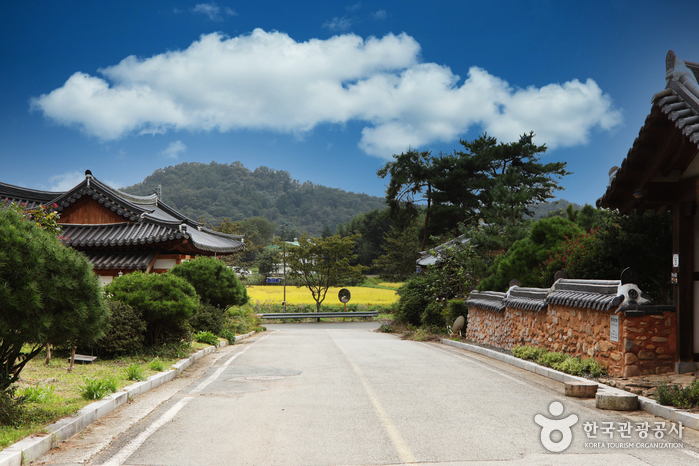
Gangjin Moonlight Hanok Village (강진달빛한옥마을)
6.5Km 2024-04-04
2 Dalbithanok-gil, Seongjeon-myeon, Gangjin-gun, Jeonnam-do
This village with 29 hanok (traditional Korean house) is surrounded by Wolchulsan Mountain like a folding screen. About 10 of those unique houses offer a friendly hanok lodging experience for tourists by renting out one or two guestrooms. It is fun to see the yards of each house decorated differently from its front yard. The observatory at the village offers a panoramic view of towering Wolchulsan Mountain, expansive tea fields, rice paddies, and the cozy Gangjin Moonlight Hanok Village at a glance.
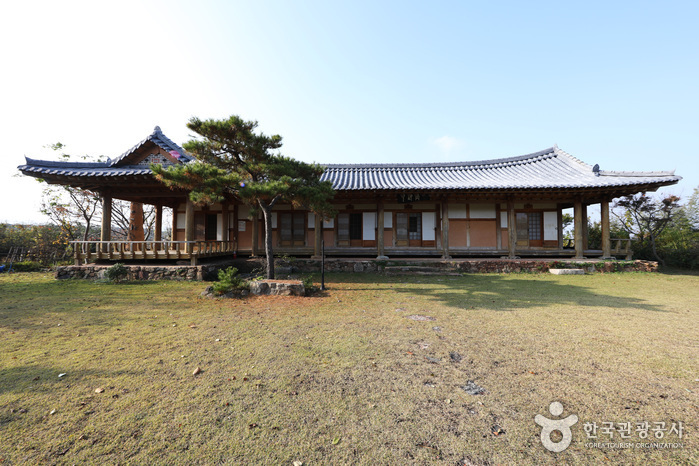
Worlindang (월인당)
6.8Km 2024-08-05
37-11 , Mojeong 1-gil, Yeongam-gun, Jeollanam-do
+82-61-471-7675, +82-10-6648-7916
Wolindang hanok stay in Mojeong Haengbok Village, Yeongam-gun, Jeollanam-do, is a year-round great spot for full moon watchers. Its traditional hanok features include red clay walls, daecheong (hall), ondol underfloor heating, and a numaru or upper floor - where visitors can take their tea. Outside is a fireplace for sweet potato baking or barbecues. Residents can enjoy a tea ceremony or sample natural dyeing or making red bean kalguksu (hand-cut noodle soup). The large grassy yard is decorated with interesting murals, and is often the site of outdoor ball games.
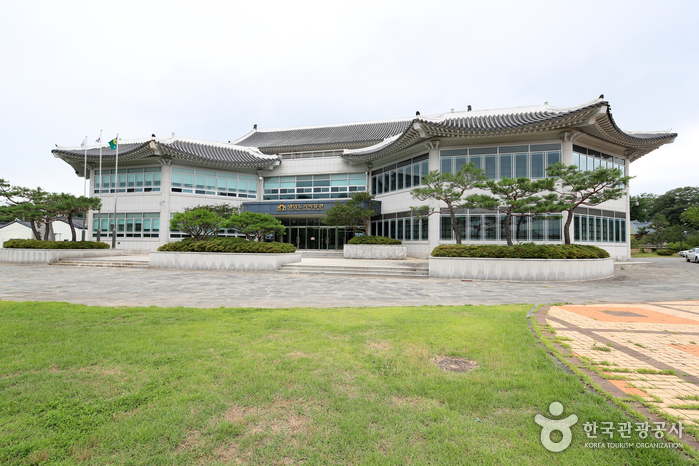
Yeongam Pottery Museum (영암도기박물관)
6.9Km 2025-01-09
5, Seohojeong-gil, Yeongam-gun, Jeollanam-do
+82-61-470-6851
Yeongam Pottery Museum is dedicated to promoting the history of pottery in Korea, starting from the oldest known pottery coming from Gurim Village. Visitors can learn about the history of this art form through exhibitions, educational programs, and hands-on experiences. Locally produced pottery is also available for sale. Nearby attractions include the Wangin Historic Site and Ha Jung-woong Museum of Art.

Jangsupungdengi Village (장수풍뎅이마을)
11.5Km 2025-01-10
Banwol-ri, Yuchi-myeon, Jangheung-gun, Jeollanam-do
+82-10-3110-6145
Located in the far upstream of Jangheung Dam, Jangsupungdengi Village preserves the natural environment. The village has a shiitake mushroom center, eco experience center, and beetle farming field where children and teenage students may visit and learn about the nature and its eco system. The village is also open to the general public for quality time in nature.
 English
 한국어
한국어 日本語
日本語 中文(简体)
 Deutsch
 Français
 Español
 Русский


