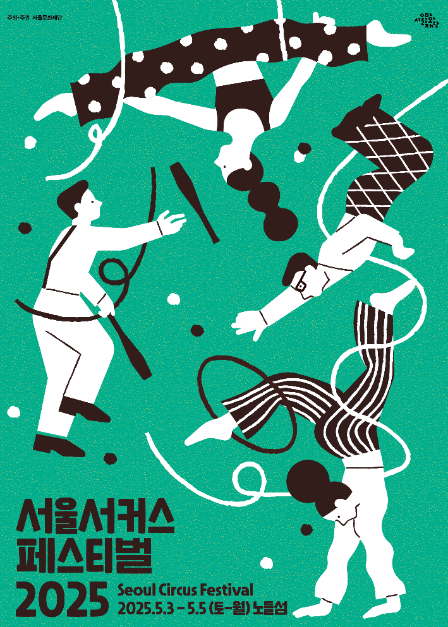
Seoul Circus Festival (서울서커스페스티벌)
12.2Km 2025-04-23
445 Yangnyeong-ro, Yongsan-gu, Seoul
+82-2-758-2036
Seoul Circus Festival is Korea's only circus festival. During the fun-filled weekend, performers from all over the world come to showcase their talents and provide fun experiences for the whole family to enjoy. In addition to the circus acts, guests can enjoy movies, exhibitions, and a flea market.
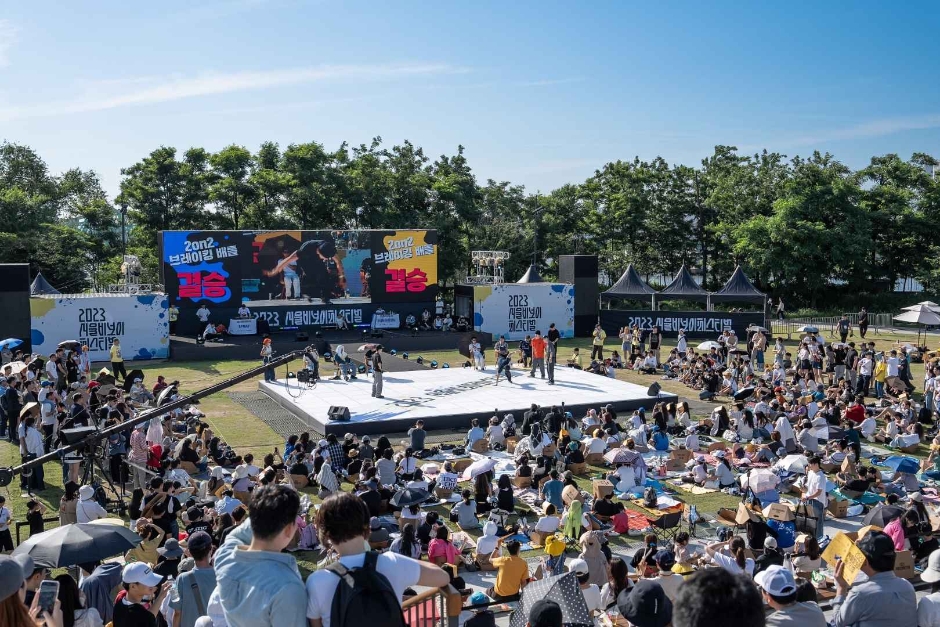
Seoul B-dance Festival (서울비댄스페스티벌)
12.2Km 2024-05-22
445 Yangnyeong-ro, Yongsan-gu, Seoul
+82-2-758-2045
The Seoul B-dance Festival takes place on Nodeulseom Island in the Hangang River and helps kick off the summer season with break dancing and other modern b-boy styles of dance. Enjoy a range of street culture programs outside of dancing, including skateboarding and graffiti art.

Dalgaebi (달개비)
12.2Km 2024-03-15
16 Sejong-daero 19-gil, Jung-gu, Seoul
+82-82-2-765-2035, 2068
Dalgaebi is a restaurant specializing in Korean table d'hote, using fresh seasonal ingredients. Its flagship menu is the teukseon sangcharim jeongsik (special set menu), which includes porridge, seasonal dishes, main courses, and desserts. The galbi sangcharim (galbi course), featuring premium Korean beef galbi grilled over charcoal and served with soybean paste jjigae, is also popular. Known for its private dining spaces and upscale ambiance, reservations can be made via phone.
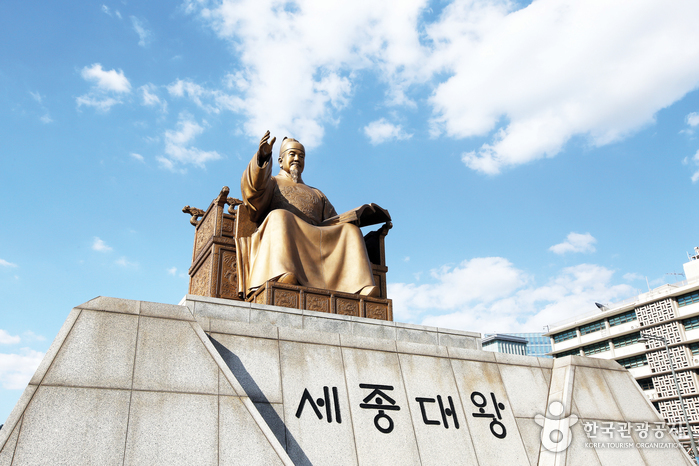
King Sejong Statue (세종대왕 동상)
12.2Km 2024-03-04
175, Sejong-daero, Jongno-gu, Seoul
+82-2-2133-7713
King Sejong Statue can be found at Seoul’s Gwanghawmun Square. The statue commemorates King Sejong the Great (1397-1450, reign 1418-1450), the fourth king of Joseon (1392-1897). He is thought to be the greatest king in Korean history, for he is credited with great developments in science and technology, expansion of Joseon’s territory, and the creation of the Korean script, [Hangeul]. King Sejong’s likeness can be found on the 10,000 won bill as well.
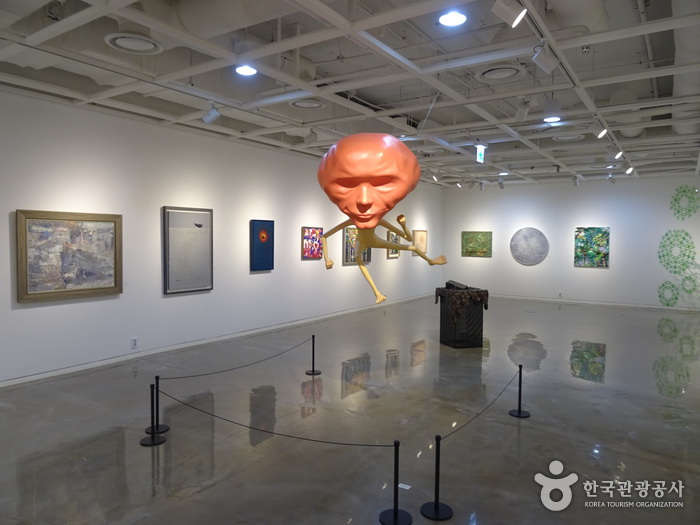
Cancelled: Gwanghwamun International Art Festival (광화문국제아트페스티벌)
12.2Km 2022-11-14
175, Sejong-daero, Jongno-gu, Seoul
• 1330 Travel Hotline: +82-2-1330 (Korean, English, Japanese, Chinese) • For more info: +82-2-723-9484~7
Gwanghwamun International Art Festival is designed to increase public knowledge and appreciation for the arts and culture. In addition to the art exhibitions, visitors will also be able to enjoy various performances and try different kinds of arts and crafts such as ceramics, silver handicrafts, leather handicrafts, and more. The festival is also making a continuous effort to deliver more exciting programs and activities for visitors' enjoyment.
Gwanghwamun Gate (광화문)
12.2Km 2024-12-04
161 Sajik-ro, Jongno-gu, Seoul
+82-2-3700-3900
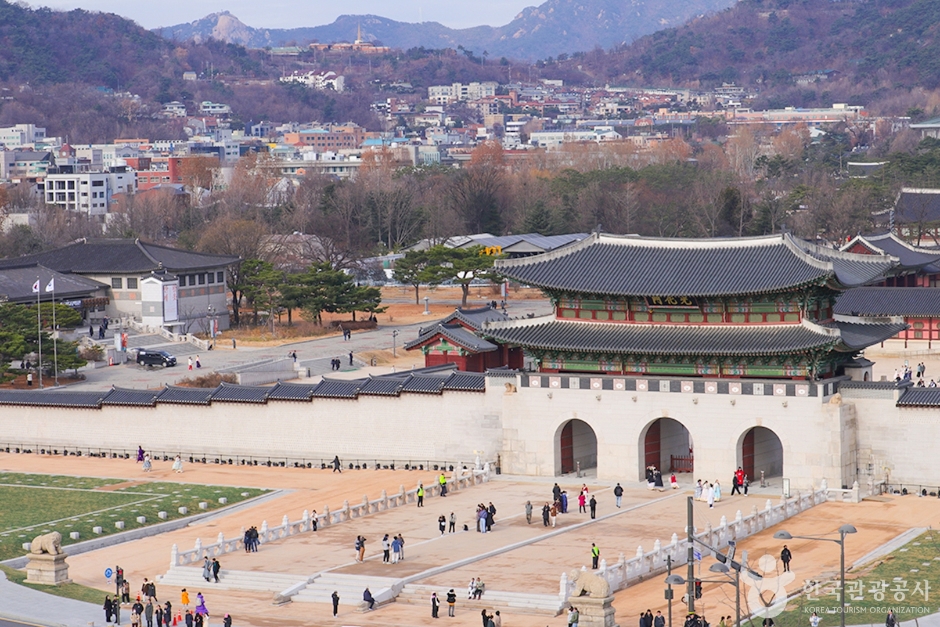
Built in 1395 under the reign of King Taejo, the first king of the Joseon dynasty, Gwanghwamun Gate is the southern gate of Gyeongbokgung Palace. It is also the main gate of the palace, therefore larger and fancier in comparison to the other gates. Gwanghwamun Gate consists of three arched gates; the center gate was used by the king, while the other two were used by the crown prince and royal officials. The tall granite walls of the gate serve as a platform for the wooden gate tower that watches over the city. The gate has a sign with its name written at the top center of the gate tower.
Gwanghwamun Gate went through several damages and restorations over the course of history. It was first severely damaged during the Imjin War (1592-1598) and was not restored until the reconstruction of Gyeongbokgung Palace in 1864. Under the Japanese administration, the gate was demolished and relocated to the north of the palace's eastern gate, followed by series of damages during the Korean War (1950-1953). In 1968, Gwanghwamun Gate was relocated back to the south of the palace and was rebuilt using concrete; however, the gate’s position was shifted a few meters away from its original location. In 2006, a major reconstruction project took place to restore Gwanghwamun Gate to its original state and location, disassembling the structure completely and replacing concrete with granite and wood. After three years and eight months of construction, Gwanghwamun Gate was fully restored to its original form and was open to the public on August 15, 2010.
![Olive Young - Sookmyung Women’s Univ. Station Branch [Tax Refund Shop] (올리브영 숙대입구역)](http://tong.visitkorea.or.kr/cms/resource/87/2888087_image2_1.jpg)
Olive Young - Sookmyung Women’s Univ. Station Branch [Tax Refund Shop] (올리브영 숙대입구역)
12.2Km 2024-04-17
1F, 285, Hangang-daero, Yongsan-gu, Seoul
-
The Story of King Sejong (세종이야기)
12.2Km 2022-09-13
jiha 175, Sejong-daero, Jongno-gu, Seoul
+82-2-399-1000
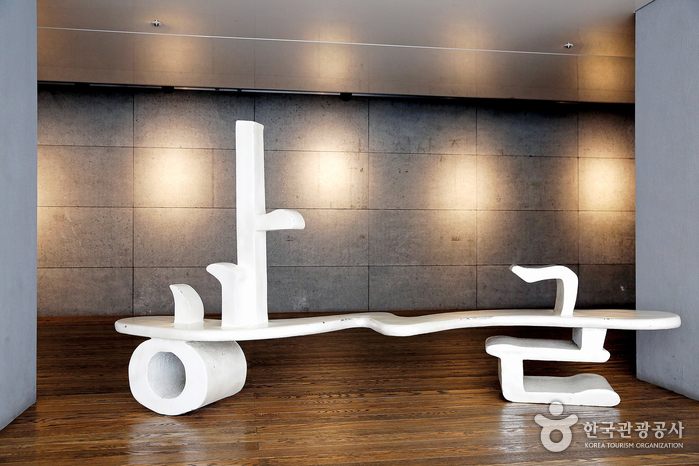
The Story of King Sejong comprises six different sections with a total area of 3,200 square meters. The museum consists of exhibition zones, an event space, video room, shop and more to display King Sejong’s scientific, artistic, military, and political contributions, including the theory of Minbon, which recognized the people as the base of politics. King Sejong, the 4th king of the Joseon dynasty (1397-1450, reigning from 1418-1450) was responsible for some of the most brilliant achievements in the history of Korea, including the creation of Hangeul (Korean alphabet) and great advancements in the areas of science, culture, art and politics.
CU - Koreana Hotel Branch [Tax Refund Shop] (cu코리아나호텔점)
12.2Km 2024-06-26
135, Sejong-daero, Jung-gu, Seoul
-
Statue of Admiral Yi Sun-Shin (충무공 이순신 동상)
12.2Km 2024-03-04
175, Sejong-daero, Jongno-gu, Seoul
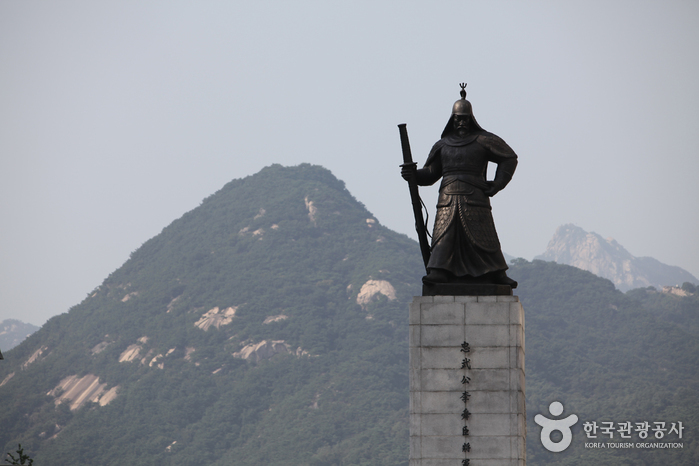
The Statue of Admiral Yi Sun-Shin can be found at Gwanghwamun Square in Seoul. Admiral Yi Sun-shin (1545-1598) was a naval commander who served during the Japanese invasion of Korea (also known as Imjin War: 1592-1598). The undefeated admiral achieved 23 victories against the Japanese navy using innovative tactics, and he is thus considered as one of the greatest generals in the history of Korea. Admiral Yi’s likeness can be found on the 100 won coin.
 English
 한국어
한국어 日本語
日本語 中文(简体)
 Deutsch
 Français
 Español
 Русский


