
Choryuhyang (초류향)
2.5Km 2025-05-19
24-10, Dadong-gil, Jung-gu, Seoul
This restaurant's feature items are its Samseon-nurungjitang, Dongpayuk, and Seafood Galbi. Seafood is plentiful in the Samseon-nurungjitang, making for a delicous soup base to which nicely browned rice is added later. When the browned rice is added to the soup base, a loud crackling noise is heard, which signals the beginning of a delicious meal.
Museo de Nudos Dong-Lim (동림매듭공방)
2.6Km 2025-12-26
Bukchon-ro 12-gil 10, Jongno-gu, Seúl.
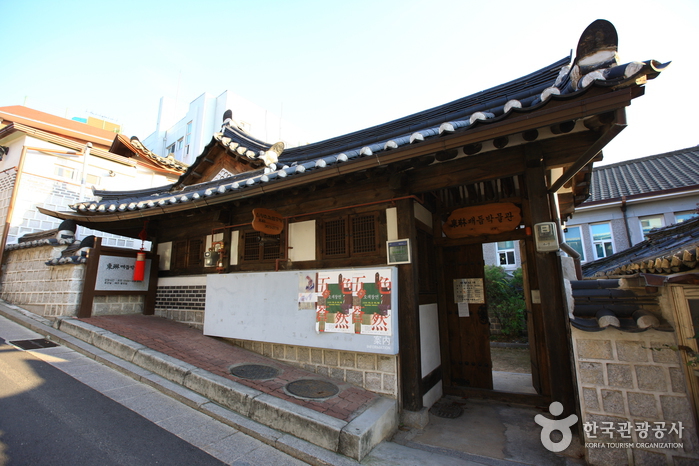
Inaugurado en abril del 2004, el Museo de Nudos Dong-Lim expone todo tipo de accesorios decorados con nudos y también los materiales con los que se elaboran. El edificio del estudio es una casa tradicional hanok, y tiene en exposición reliquias antiguas, piezas reproducidas, nuevas elaboraciones creativas y fusionadas al estilo moderno, etc. También se realizan programas académicos llevados a cabo por discípulos cualificados de la propietaria Shim Young-mi.
Hyehwa1938 / 혜화1938
2.6Km 2025-08-12
7, Sungkyunkwan-ro 16-gil, Jongno-gu, Seoul
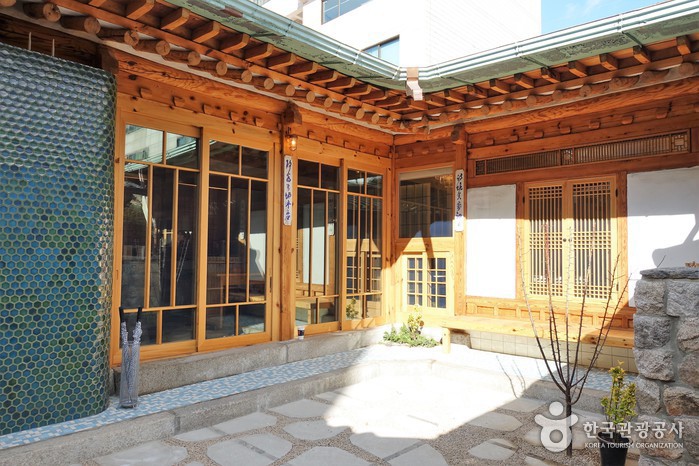
Located in (no suggestions)-dong of Seoul, Hyehwa 1938 is a lodging facility which is based on the remodeling of an 80-year- old traditional Korean house. A traditional Korean house expert initially wanted to use it as an office but later decided to turn it into a guest house due to its large size. As a result, the unique beauty of traditional Korean house was revived while improving practicality. The Woojeong room and Sarang room are now resized to accommodate max 8 persons which used to be only max 4 in the past. Despite the remodeling, the aura and atmosphere of the traditional Korean house is well preserved. Inside the room, you can see that the chandelier of the rich house in the '30s are accompanied by modern furniture and electronics which maintain unique harmony. Open the windows to see sansuyu and maehwa along with other various seasonal trees with beautiful colors and also the space such as edges and sewers are well arranged to avoid any discomforts with your eyesight. The heart of architecture offers only two rooms for guests, and you are all welcome to enjoy the true beauty of Korea.
Museo Gahoe (가회민화박물관)
2.6Km 2025-10-31
Bukchon-ro 52, Jongno-gu, Seúl.
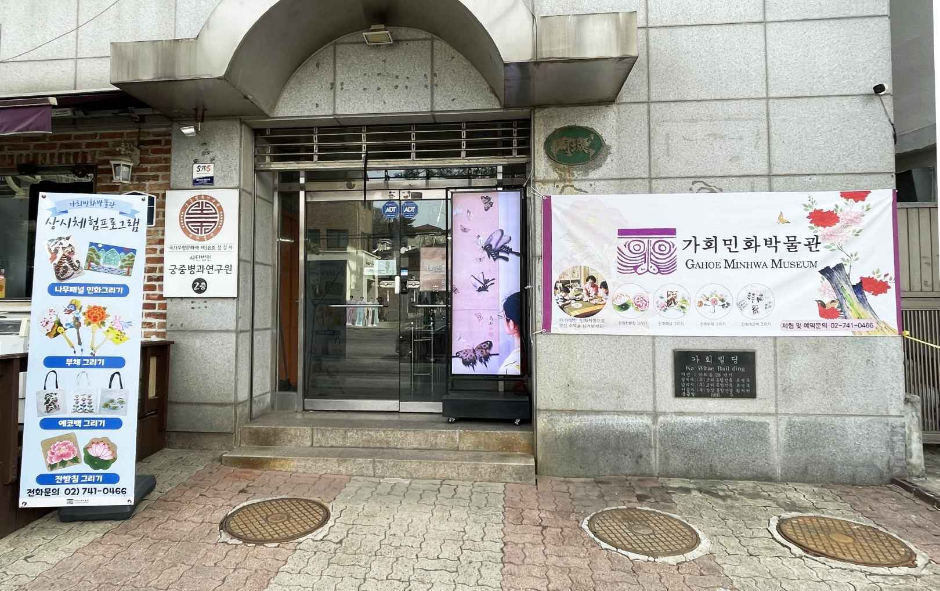
El Museo Gahoe fue inaugurado en el año 2002 y expone pinturas populares, amuletos, etc., que muestran la vida y la aspiración que tenían los coreanos en la antigüedad. Se cuentan 250 pinturas populares, 750 talismanes, 150 tomos de libros antiguos, 200 dibujos de dioses, 250 materiales folclóricos, entre otros, que hacen un total de 1.700 piezas en exposición.
En el interior del área dedicada a las casas tradicionales hanok se puede conocer y explorar la vida de las personas en el pasado histórico, pinturas populares, dibujos que reflejan la religión y los mitos tradicionales, tejas con las imágenes de personas o espíritus, etc. Además, en los biombos decorados con talismanes, se puede echar un vistazo al esfuerzo que hacían los antepasados para superar las dificultades.
The Westin Josun Seoul (웨스틴 조선 서울)
2.6Km 2025-07-18
106, Sogong-ro, Jung-gu, Seoul
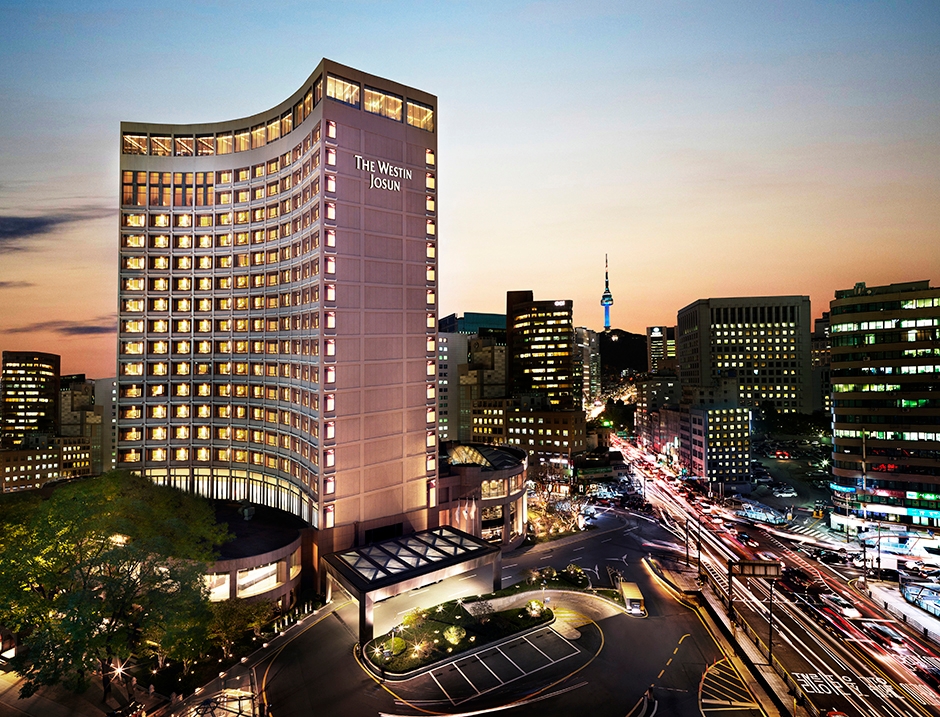
The Westin Josun Seoul is situated in the heart of the business and shopping center of Seoul, where the embassies, banks, and government offices are also located. In 1999 and 2003, the Westin Josun was selected as one of the world's top 100 hotels by international financial institutional investors, boasting newly renovated state-of-the-art facilities and rooms, and great service. The hotel has a health center including a swimming pool, spa, and gym; a business center, conference rooms in various sizes, and restaurants. The Westin Josun also manages a banquet hall service with food catered from Gangnam's COEX food courts. The hotel provides the finest business environment, offering a cutting-edge facility holding guestrooms with desktop PCs, high-speed internet connections, TV internet, fax machines, printers, copy machines, automatic climate control, mini bars, and a 24-hour room service to accommodate to guests' every need. The VIP rooms come furnished with 'Heavenly Beds' guaranteeing the best of comfort.
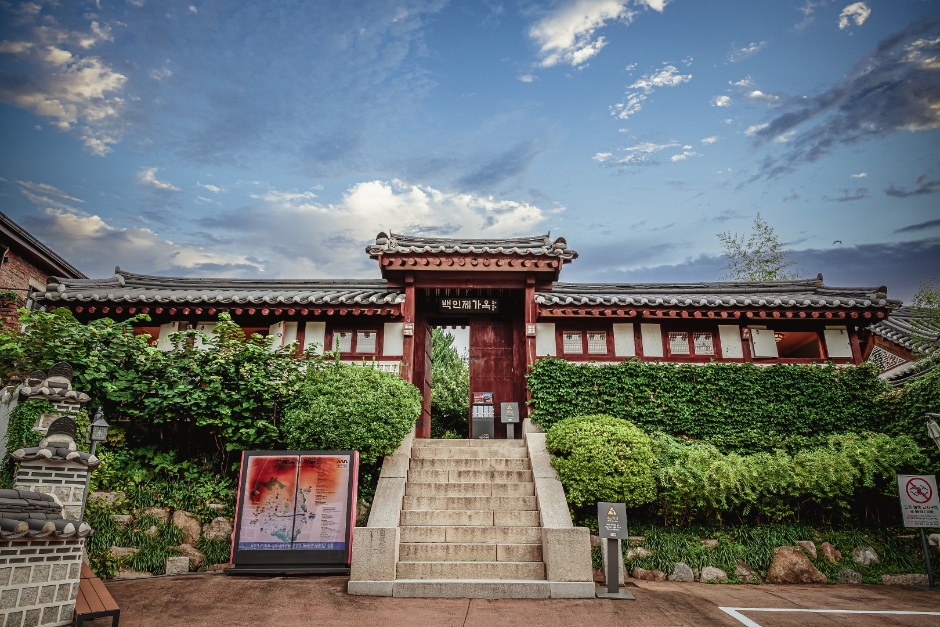
Residencia Baek In-je (백인제가옥)
2.6Km 2025-04-18
Bukchon-ro 7-gil 16, Jongno-gu, Seúl
La Residencia Baek In-je está situada en Gahoe-dong. Este edificio conserva el estilo moderno de hanok diseñado durante la colonización japonesa. En un terreno amplia de 2.460 ㎡, la vivienda cuenta con habitaciones y jardines alrededor del salón principal. También hay un pequeño espacio separado para el descanso. La casa mantiene la belleza tradicional del propio hanok con remodelaciones. Así, es una de las representaciones arquitectónicas más conocidas del barrio de Bukchon, junto con la Residencia Yoon Bo-seon.
Diversas características destacan la casa construida en pino negral, presentado por primera vez en Seúl durante la Exposición de Gyeongseong en 1907. Por ejemplo, la Residencia Baek In-je está compuesta por un pasillo que une el salón y las habitaciones, lo que es peculiar en comparación con el hanok clásico. Por otro lado, el pasillo al estilo japonés, la habitación con esteras, el empleo de ladrillos rojos y ventanas de cristal reflejan el paisaje de la época. Asimismo, el salón suele ser de un piso, pero está dividido en dos plantas en esta construcción. Siendo un patrimonio cultural, este lugar agrupa toda la hermosura de hanok, permitiendo contemplar del jardín al salón, del patio al interior de la casa y del trasero del inmueble separado.
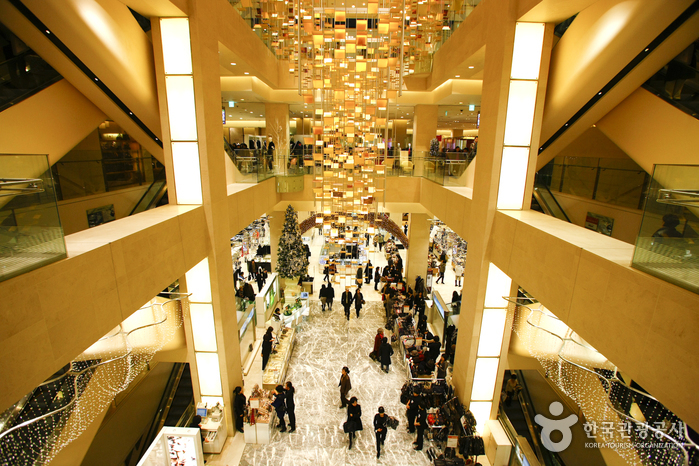
Tiendas Departamentales SHINSEGAE Myeongdong (Casa Central) (신세계백화점 (본점))
2.6Km 2024-11-26
Sogong-ro 63, Jung-gu, Seúl.
La Casa Central de las Tiendas Departamentales SHINSEGAE Myeongdong abrió originalmente en 1930 como la sucursal de Gyeongseong de las Tiendas Departamentales japonesas Misreukkosi. Abrió nuevamente sus puertas tras la renovación llevada adelante en 2007, con tiendas de lujo y de marcas internacionales para satisfacer aún más el gusto de sus clientes. Presenta también complejos culturales y artísticos como Trinity Garden. Muchos lugares turísticos y emblemáticos de Seúl se encuentran en sus alrededores, permitiendo a los turistas hacer compras y turismo al mismo tiempo.
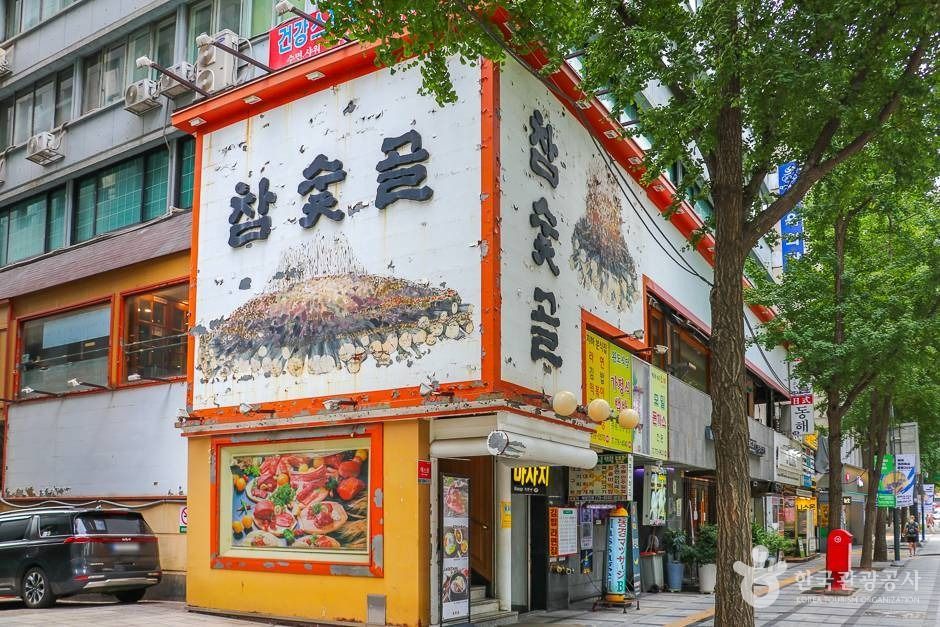
Chamsutgol (참숯골)
2.6Km 2025-05-13
16, Mugyo-ro, Jung-gu, Seoul
Located in Mugyo-dong in Jung-gu, Seoul, Chamsutgol (참숯골) is an upscale restaurant serving hanu beef dishes. The restaurant uses only top quality hanu beef from young cattle (two years old or younger) raised on farms in Jeolla-do Province. For freshness and tenderness, the restaurant serves only fresh meat (not frozen) of A+ grade or higher. To bring out its juiciness and tenderness, the meat is grilled on a charcoal fire.
The elegant ambience and décor and the variety of rooms in different sizes make the restaurant a favorite choice for special events. It is also regularly visited by international tourists. Popular dishes are the sirloin steak and marinated ribs, doengjang soup, and yeongyang dolsotbap (rice served in a hot stone bowl).
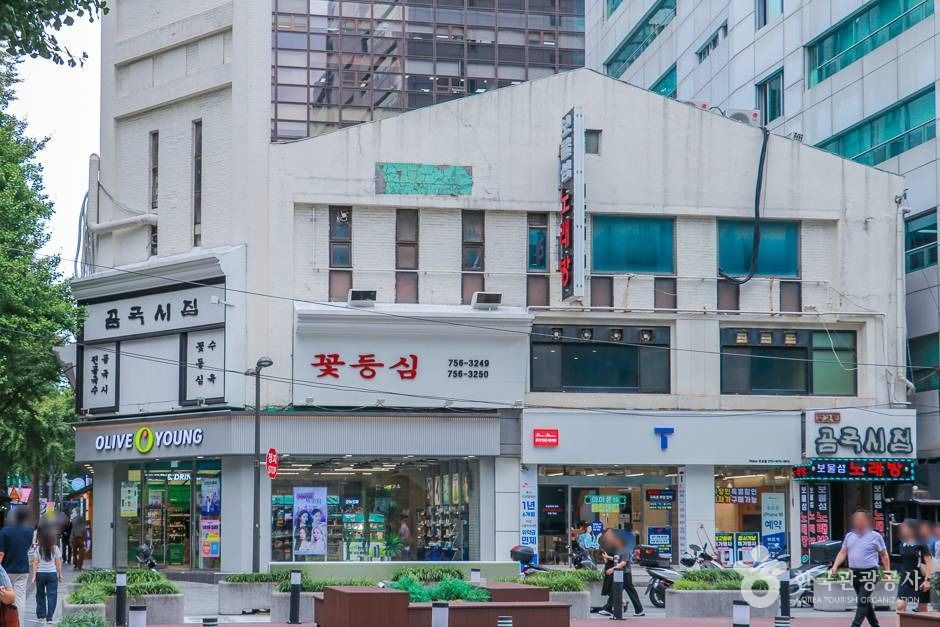
Gomguksijib (곰국시집)
2.6Km 2025-05-15
24, Mugyo-ro, Jung-gu, Seoul
Gomguksi is a soup consisting of handmade noodles and beef slices in a thick and rich beef broth. Gomguksi became famous through word-of-mouth by tourists from the neighboring country of Japan. These days the restaurant is always crowded with people. Also, the side dishes that accompany Gomguksi are extremely delicious.
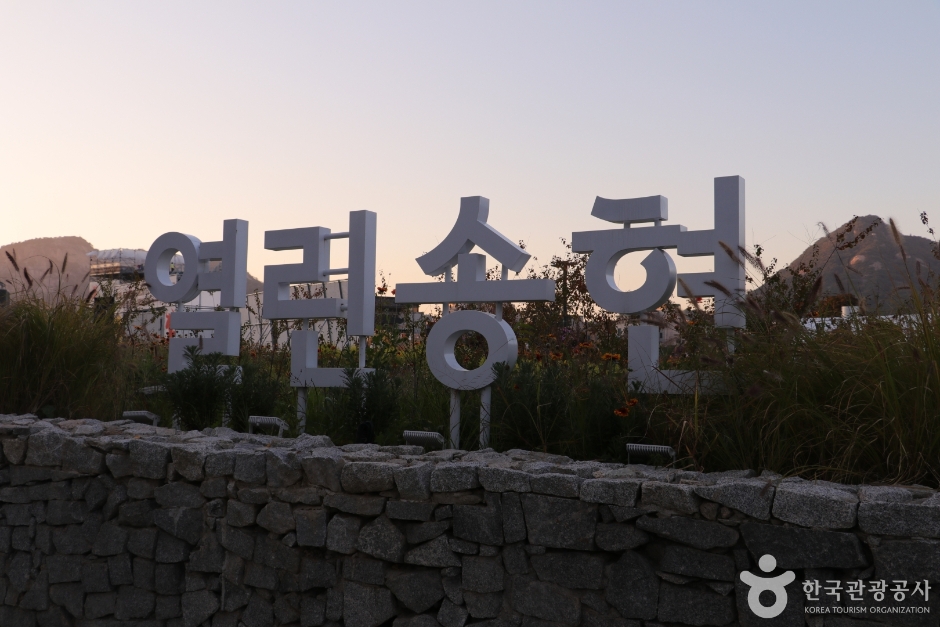
Parque Abierto Songhyeon (열린송현녹지광장)
2.6Km 2025-05-28
Songhyeon-dong 48-9, Jongno-gu, Seúl
El Parque Abierto Songhyeon es un espacio verde ubicado en el barrio de Songhyeon-dong, distrito de Jongno-gu, Seúl, muy cerca del Palacio Gyeongbokgung. Durante el período de ocupación japonesa (1910-1945), el sitio se utilizó como vivienda para el Banco Shokusan, y posteriormente como cuartel militar y de la embajada estadounidense, y fue devuelto al Gobierno coreano en 1997. Tras la devolución, quedó abandonado y rodeado por un alto muro; pero en 2022, la propiedad pasó a la Corporación Nacional de Vivienda de Corea y posteriormente al Gobierno Metropolitano de Seúl, abriéndose al público como el Parque Abierto Songhyeon. El espacio, destinado ahora para el descanso y la cultura, se puede ver desde la avenida Yulgok-ro, y está decorada con flores cosmos y zinnias. Dentro del parque hay un atajo que conecta el Palacio Gyeongbokgung y el barrio de Bukchon. No muy lejos se encuentran sitios turísticos destacados como Cheong Wa Dae, la Plaza Gwanghwamun, Insadong y el barrio de Bukchon.
 Español
 한국어
한국어 English
 日本語
日本語 中文(简体)
 Deutsch
 Français
 Русский


