Calle de los Hanok de Ikseon-dong (익선동 한옥거리)
4.0Km 2025-05-26
Ikseon-dong, Jongno-gu, Seúl
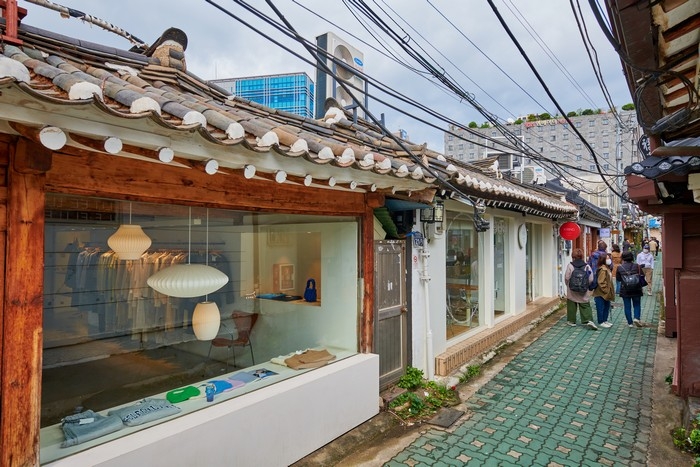
La Calle de los Hanok de Ikseon-dong es la calle que conecta la salida 6 de la Estación de Jongno 3(sam)-ga con el hotel Ibis Ambassador Insadong. Esta calle, con edificios de estilo tradicional coreano hanok como ninguna otra en Seúl, se ha convertido en un sitio de visita obligada en los recorridos por la capital de Corea para visitantes nacionales e internacionales. Alberga muchos restaurantes, cafés y tiendas en edificios hanok renovados. En el pasado, este barrio estaba cerca de los palacios de la dinastía Joseon, por lo que era el hogar de dignatarios de alto rango, incluidos aristócratas prominentes. Debido a esto, hay muchas casas grandes con techos de tejas (giwajip), lo que le da a la calle un aspecto tradicional. Su designación como Distrito de Preservación Hanok en 2018 resultó en que muchas tiendas locales se mudaran al vecindario. Encontramos una maraña de callejones estrechos que en ocasiones pueden ser un desafío a la hora de circular, en especial cuando hay muchos visitantes, por lo que se recomienda prestar atención al recorrer los alrededores.
Rito Real Ancestral Daeje de Jongmyo (종묘대제)
4.0Km 2025-04-10
Jong-ro 157, Jongno-gu, Seúl
1522-2295
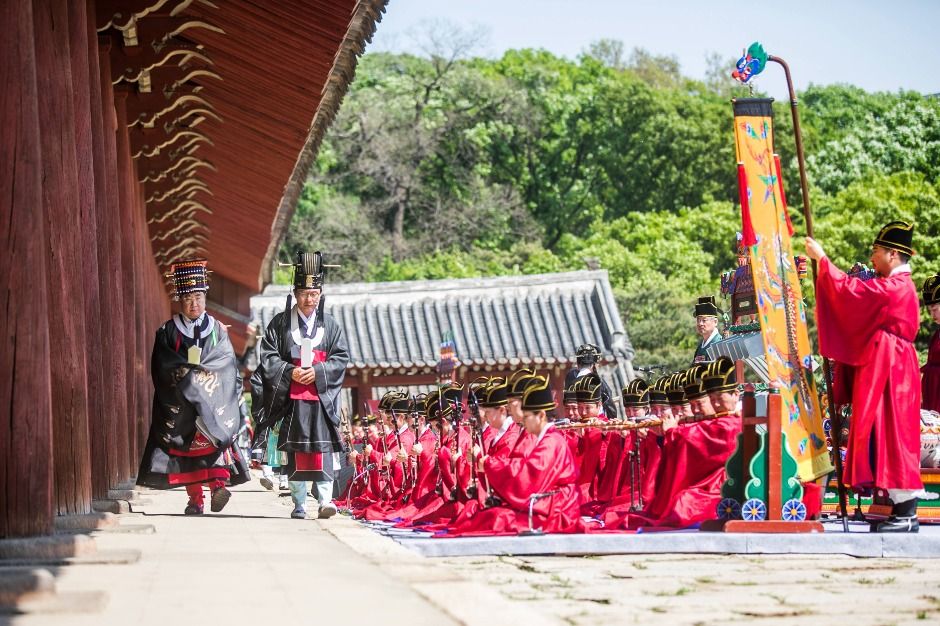
Siendo uno de los primeros en ser registrado en la lista de Patrimonio Cultural Intangible de la Unesco, el Rito Real Ancestral "Jongmyo Jerye" es un Patrimonio Cultural Intangible de Importancia y la Música Ritual Real Ancestral “Jongmyo Jeryeak” es un Patrimonio Cultural Intangible de Importancia de Corea. La combinación de estos valiosos patrimonios es el Daeje de Jongmyo, que se celebra el primer domingo del mes de mayo de cada año. Este evento de gran dimensión y escala. Un total de 1.200 personas intervienen en este gran acontecimiento. El evento más importante es el desfile de la realeza del período Joseon, que parte desde el palacio Gyeongbokgung, pasa por las calles Sejong-ro, Jongno 1(il)-ga, 2(i)-ga, y 3(sam)-ga, hasta llegar al Santuario de la Realeza Jongmyo.
El Rito Ancestral consiste en rendir homenaje a los antepasados del reino, de los reyes y reinas del período Joseon, en la antigüedad se celebraba 5 veces al año, en primavera, otoño, invierno, verano, y en diciembre, pero fue suspendida por la invasión japonesa. Luego se ha restablecido desde el año 1969, teniendo lugar hasta la actualidad, el primer domingo de mayo de cada año.
El Santuario Jongmyo, fue el lugar en donde se celebraba el rito ancestral durante la época Joseon, en un principio era el nombre que se le añadía al lugar en donde se conservaban las tablas ancestrales de los reyes y reinas, pero actualmente descansan en él los príncipes que han muerto antes de llegar al trono, sus reinas correspondientes, y también de otros patriotas que han contribuido en el desarrollo de la nación. El desfile, acontecimiento principal del evento, consiste en el recorrido del Rey y el Príncipe en el carro a caballo, y los supuestos funcionarios hacia el Santuario Jongmyo. La representación está compuesta por toda la marcha completa, por el equipo de seguridad, funcionarios civiles y también los militares. El servicio religioso comprende de tres principales pasos, basados en la doctrina confuciana, el primer paso es el “Recibimiento de Dios”, el segundo paso “Recreación de Dios”, y por último, la “Despedida de Dios”, y, la celebración de estos pasos está acompañado por la Música Ritual Real Ancestral “Jongmyo Jeryeak”, que se llevará a cabo con cantos e interpretaciones musicales de los instrumentos tradicionales. También estará representado por la danza tradicional “Palilmu” que consiste en un baile grupal formado por 64 bailarines.
La Música Ritual Real Ancestral siendo una creación del Rey Sejong, fue designado Patrimonio Cultural Intangible durante el reinado del Rey Sejo, y es la denominación general que se le otorga a todo el conjunto de cantos y bailes que se ejercen durante la celebración del ritual. Entre los principales cantos y bailes que se presentan en este ritual se destacan: el canto “Jongmyoakjang”, cuyas letras se basan en los elogios por los logros civiles y por las hazañas militares de los reyes de Joseon, y entre los bailes están “Botaepyeongjimu”, “Jeongdaeeopjimu”, etc.
Dongwha Duty Free (동화면세점)
4.0Km 2025-08-04
Sejong-daero 149, Jongno-gu, Seúl.
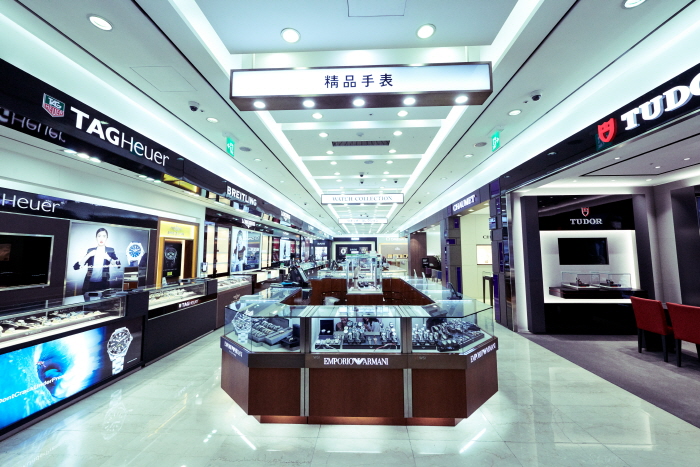
Dongwha Duty Free solo tiene en venta las mejores marcas del mercado. Puede encontrar las últimas marcas con más tendencia de perfumes, cosméticos, accesorios, entre otros. Aparte de marcas coreanas y extranjeras, puede también encontrar productos de especialidad coreana u objetos tradicionales de todo el mundo.
Kwangya Seoul (광야 서울)
4.0Km 2024-02-27
Wangsimni-ro 83-21, Seongdong-gu, Seúl
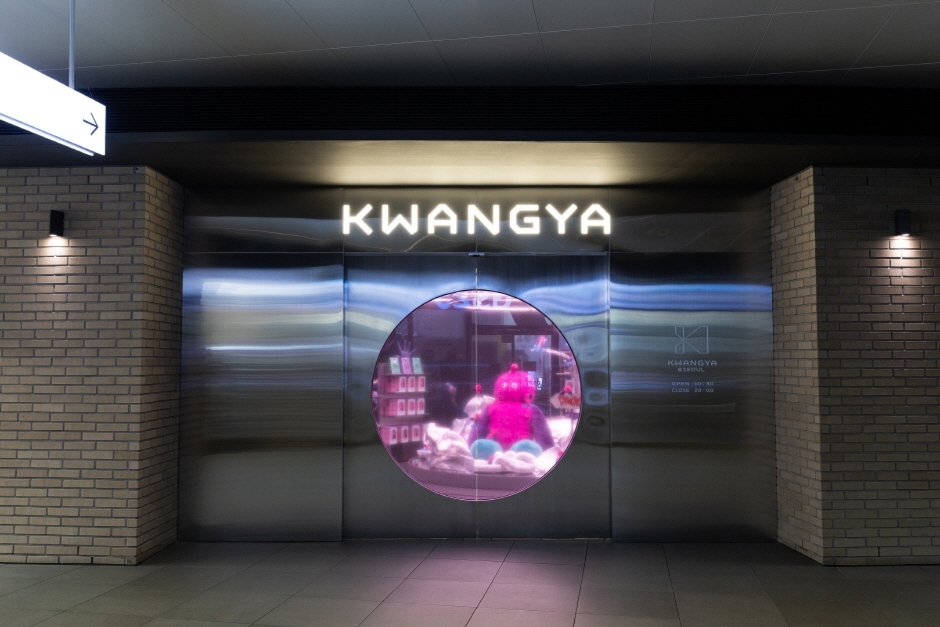
La tienda Kwangya en Seúl es un espacio cultural dedicado al K-Pop, donde los fanáticos de este género pueden expresar su pasión por sus artistas favoritos, mediante un tipo de comunicación que borra los límites entre la realidad y la imaginación. Se puede acceder a un metaverso que ofrece un espacio común para artistas y fans.
Mallijihwa Main Branch (만리지화 본점)
4.0Km 2025-11-27
17, Jong-ro 3-gil, Jongno-gu, Seoul
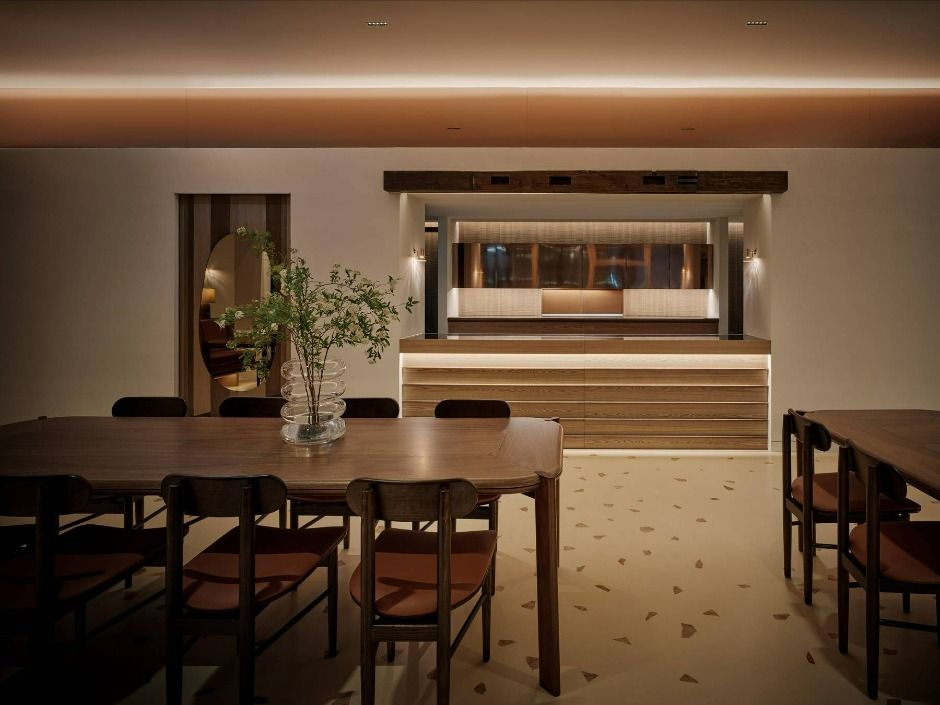
Mallijihwa, which embodies the meaning "eel that travels 10,000 ri and met fire," is an eel dining brand that modernizes the depth of Korean gastronomy. The restaurant's name was inspired by the eel's remarkable strength to swim across vast oceans to its spawning grounds—so significant that it is referred to as "malli fish" in the "Donguibogam" ("A Precious Mirror of Eastern Medicine"). Hence the name, Mallijihwa specializes in serving grilled eel, which is carefully grill with briquettes. The restaurant reinterprets eel with Korean aesthetics, offering a comfortable and elegant dining experience in a space that blends traditional architectural elements with a modern twist. The dishes served here offers an outstanding dining experience where the texture of the eel melts in one's mouth, and its flavor lingers long after. Signature dishes include grilled eel rice bowls, grilled eel, eel gujeolpan (platter of nine delicacies), and eel meal courses. The restaurant also offers seasonal lunch box made with fresh, seasonal ingredients.
Modern Shabu House Gwanghwamun D Tower Branch (모던샤브하우스 광화문D타워점)
4.0Km 2025-12-03
17, Jong-ro 3-gil, Jongno-gu, Seoul
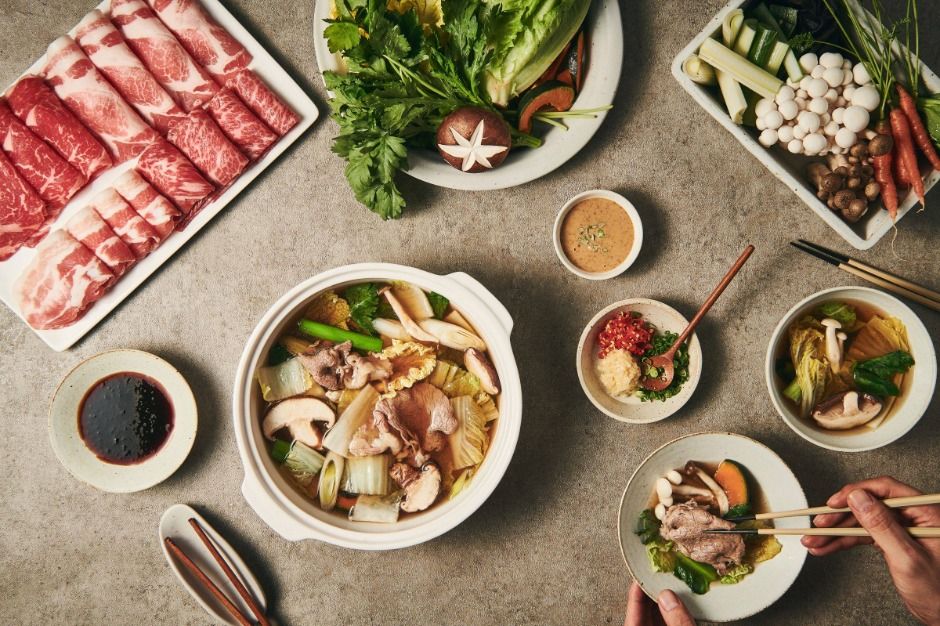
Located in Jongno-gu, Modern Shabu House Gwanghwamun D Tower Branch offers a selection of specialty broths to enjoy unlimited beef, pork, and vegetables. The restaurant serves four cuts of pork and beef in every course. The interior is designed with natural materials like earth, stone, and wood, inspired by the fluid process of cooking ingredients like meat and vegetables in a pot. The design reflects the natural movement and flow of ingredients as they cook together. The restaurant also has a range of private rooms, making it a popular choice for families with children and for gatherings, providing a comfortable dining experience.
Insa-dong Antique Art Street (인사동 고미술거리)
4.0Km 2025-08-04
29, Insadong-gil, Jongno-gu, Seoul
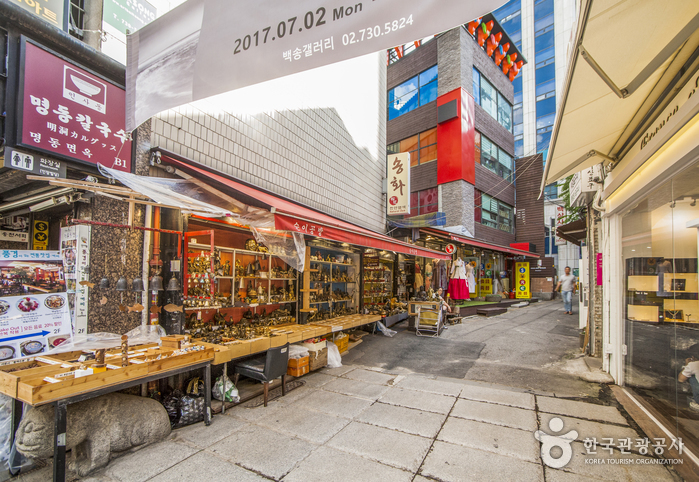
As of today, there are approximately 70 shops in the Insa-dong area that sell antique arts. Some of the products they sell include antique artworks, porcelains, woodcrafts, and metalwork. Visitors may even find rare and valuable products such as earthenware from the Silla period or white porcelain used in the Joseon dynasty. Each shop is a specialty store, authorized to sell product types that are of their expertise, ranging from antique furniture and traditional artworks to handcrafted items.

Imun Seolnongtang (이문설농탕)
4.0Km 2025-08-08
38-13, Ujeongguk-ro, Jongno-gu, Seoul
Imun Seolnongtang has been serving its hearty seolleongtang for over a hundred years since it first opened in 1907. Even its name has a long history: the word imun comes from Imun-gol, the now-obsolete name of the restaurant’s location, and seolnongtang, an old variation of the word seolleongtang. During the Japanese ocupation rule, the restaurant’s regular customers included Gijeong Son, the marathon gold-medalist at the 1936 Berlin Olympics. To make the rich seolleongtang broth, beef meat and bones are simmered for more than 15 hours. Try putting rice and minced green onion in your seolleongtang for a warm and tasty experience. Kkakttugi (diced radish kimchi), provided as a side dish, is also delicious.
Isae (이새)
4.0Km 2024-02-21
Insadong-gil 30-1, Jongno-gu, Seúl
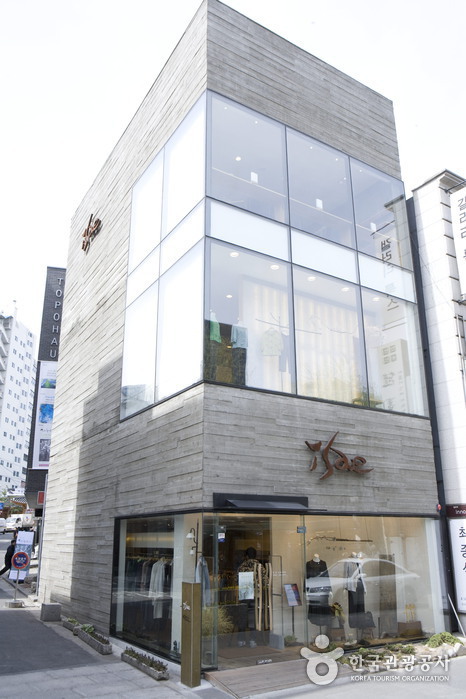
Esta tienda ubicada en el área de Insa-dong, Seúl, vende vestidos confeccionados con telas libres de químicos artificiales. Está destinada a clientela femenina.
Sieunjae / 시은재
4.0Km 2025-08-13
439, Samil-daero, Jongno-gu, Seoul
+82-10-5355-3029
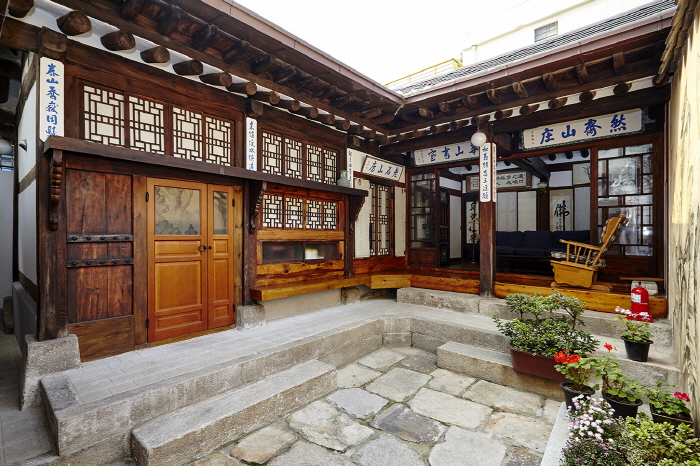
Located in Gyeongun-dong, Jongno-gu at the very heart of Seoul, Sieunjae is a hanok with a longstanding tradition. It has three guestrooms including the anbang (main room), byeolchae (detached building), and jakeunbang (small room). The anbang is the only room with a living room, where various items of old furniture, including a comfortable sofa, create an antique atmosphere. The communal bathroom and toilets are supplied with toiletries, while the communal kitchen is equipped with cooking equipment and a washing machine.
The house can be rented either as individual accommodations or in its entirety. As it is situated in Jongno-gu, at the very heart of Seoul, guests can easily reach many nearby major tourist attractions. Car users are advised to use the public parking lot as the house has no parking spaces. Entering by a small gate, the little flowerbed comes into sight. This old hanok shows traces of repair works on the tiled roof.
 Español
 한국어
한국어 English
 日本語
日本語 中文(简体)
 Deutsch
 Français
 Русский


