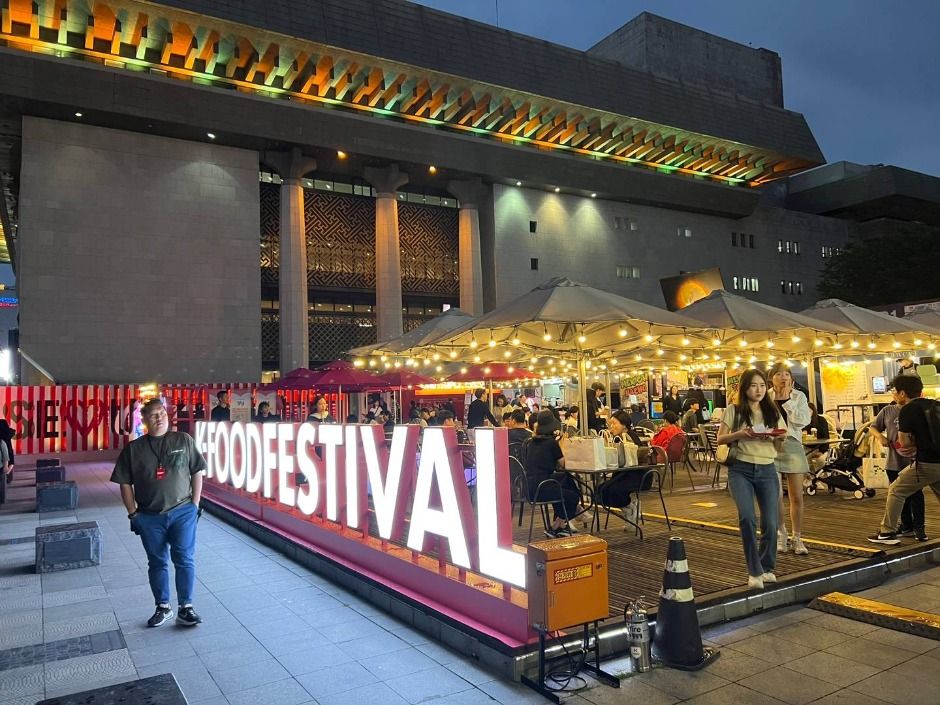
K-Food Festival Knock Knock (K-푸드 페스티벌 넉넉)
1.6Km 2025-06-20
Sejong-daero Jiha 189, Jongno-gu, Seúl
02-2088-4960
Auspiciado por el Ayuntamiento de Seúl, K-Food Festival Knock Knock es un evento de carácter gastronómico dedicado en especial a la comida coreana. Se instalan unos 15 camiones de comida que ofrecen platos de comida coreana que no son fáciles de encontrar en otros lugares, como crepe de kimchi, panceta y queso; rollo de caqui disecado con nueces y queso crema, brochetas de pollo con kimchi y salsa ssamjang, pollo frito rebozado con arroz acaramelado, bebida de arroz sikhye con calabaza, etc. Durante fines de semana largos y períodos festivos se agregan diversos eventos anexos como espectáculos, tiendas temporales de artesanías, etc.
Jaha Sonmandu (자하손만두)
1.6Km 2021-03-29
12, Baekseokdong-gil, Jongno-gu, Seoul
+82-2-379-2648
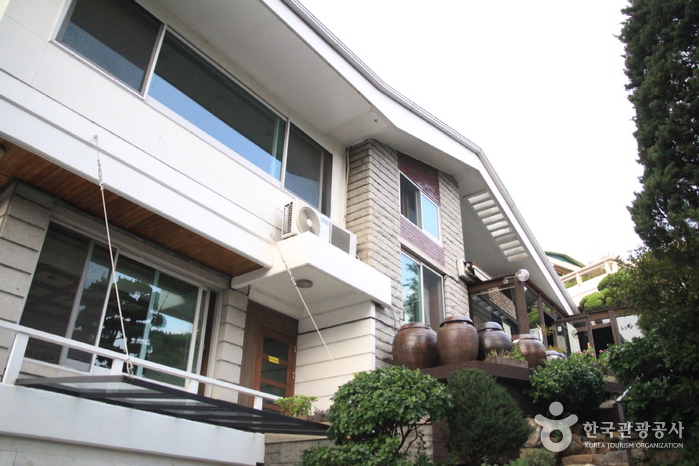
Located in Buam-dong, Jaha Sonmandu is a restaurant specializing in Korean hand-made stuffed dumplings. Though the restaurant’s exterior is that of a classic restaurant, the succulent flavors of the food are reminiscent of grandma’s cooking — timeless and full of love.
Hyehwa1938 / 혜화1938
1.6Km 2025-08-12
7, Sungkyunkwan-ro 16-gil, Jongno-gu, Seoul
+82-10-7107-1752
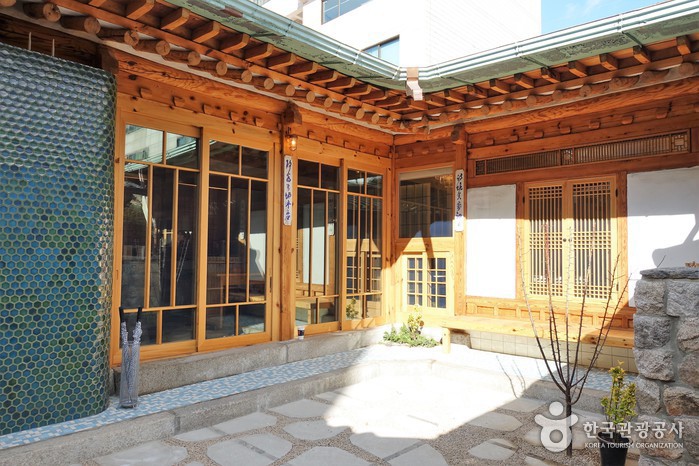
Located in (no suggestions)-dong of Seoul, Hyehwa 1938 is a lodging facility which is based on the remodeling of an 80-year- old traditional Korean house. A traditional Korean house expert initially wanted to use it as an office but later decided to turn it into a guest house due to its large size. As a result, the unique beauty of traditional Korean house was revived while improving practicality. The Woojeong room and Sarang room are now resized to accommodate max 8 persons which used to be only max 4 in the past. Despite the remodeling, the aura and atmosphere of the traditional Korean house is well preserved. Inside the room, you can see that the chandelier of the rich house in the '30s are accompanied by modern furniture and electronics which maintain unique harmony. Open the windows to see sansuyu and maehwa along with other various seasonal trees with beautiful colors and also the space such as edges and sewers are well arranged to avoid any discomforts with your eyesight. The heart of architecture offers only two rooms for guests, and you are all welcome to enjoy the true beauty of Korea.

Imun Seolnongtang (이문설농탕)
1.6Km 2025-08-08
38-13, Ujeongguk-ro, Jongno-gu, Seoul
Imun Seolnongtang has been serving its hearty seolleongtang for over a hundred years since it first opened in 1907. Even its name has a long history: the word imun comes from Imun-gol, the now-obsolete name of the restaurant’s location, and seolnongtang, an old variation of the word seolleongtang. During the Japanese ocupation rule, the restaurant’s regular customers included Gijeong Son, the marathon gold-medalist at the 1936 Berlin Olympics. To make the rich seolleongtang broth, beef meat and bones are simmered for more than 15 hours. Try putting rice and minced green onion in your seolleongtang for a warm and tasty experience. Kkakttugi (diced radish kimchi), provided as a side dish, is also delicious.
Tienda de Suvenires Coreanos en Insa-dong (한국관광명품점(인사동))
1.6Km 2024-02-19
Insadong 5-gil 14, Jongno-gu, Seúl
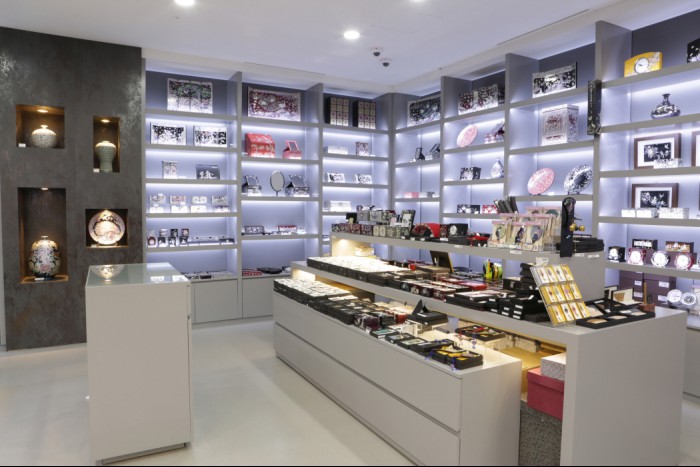
La Tienda de Suvenires Coreanos es un complejo de tiendas libres de impuestos que venden suvenires de Corea como manualidades, cerámica, objetos con incrustaciones de laca y madreperla, alimentos tradicionales, además de objetos de famosos coreanos. Los visitantes pueden encontrar artículos hechos por artistas locales de renombre también que tienen importancia cultural e histórica.
Oncheonjip Ikseon (온천집 익선)
1.6Km 2023-08-09
Donhwamun-ro 11-nagil 31-8, Jongno-gu, Seúl
Es un restaurante que tiene un patio con estanque y jardín para transmitir las sensaciones del estilo arquitectónico tradicional hanok. Los clientes pueden disfrutar de una comida con vista al estanque en cualquier lugar del restaurante. El piso de grava blanca parece un suelo cubierto de nieve y el brasero que quema leña todos los días genera un ambiente parecido al de un hotel de aguas termales.
Kimchigol Well-being Bapsang(김치골웰빙밥상)
1.6Km 2020-10-30
22-5, Insadong-gil, Jongro-gu, Seoul
+82-2-720-6436
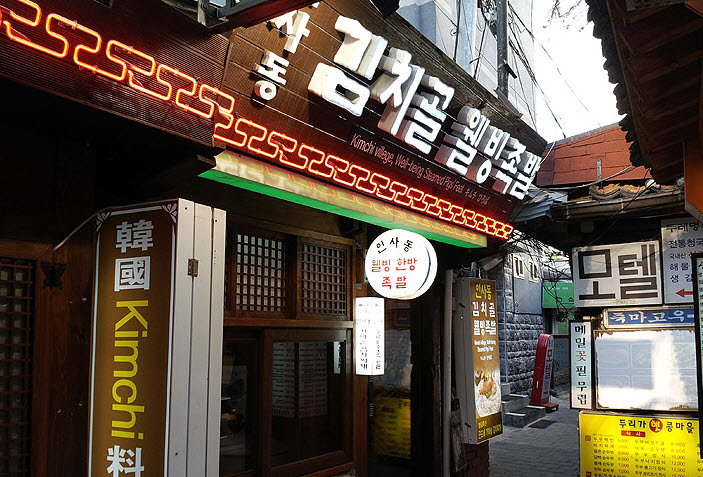
A restaurant where you can try kimchi, a Korean traditional dish, and meat. The representative menu is napa wraps with pork. This is a Korean cuisine located in Insa-dong, Seoul.
Cheongsudang Bakery (청수당 베이커리)
1.6Km 2023-09-11
Donhwamun-ro 11-nagil 31-9, Jongno-gu, Seúl
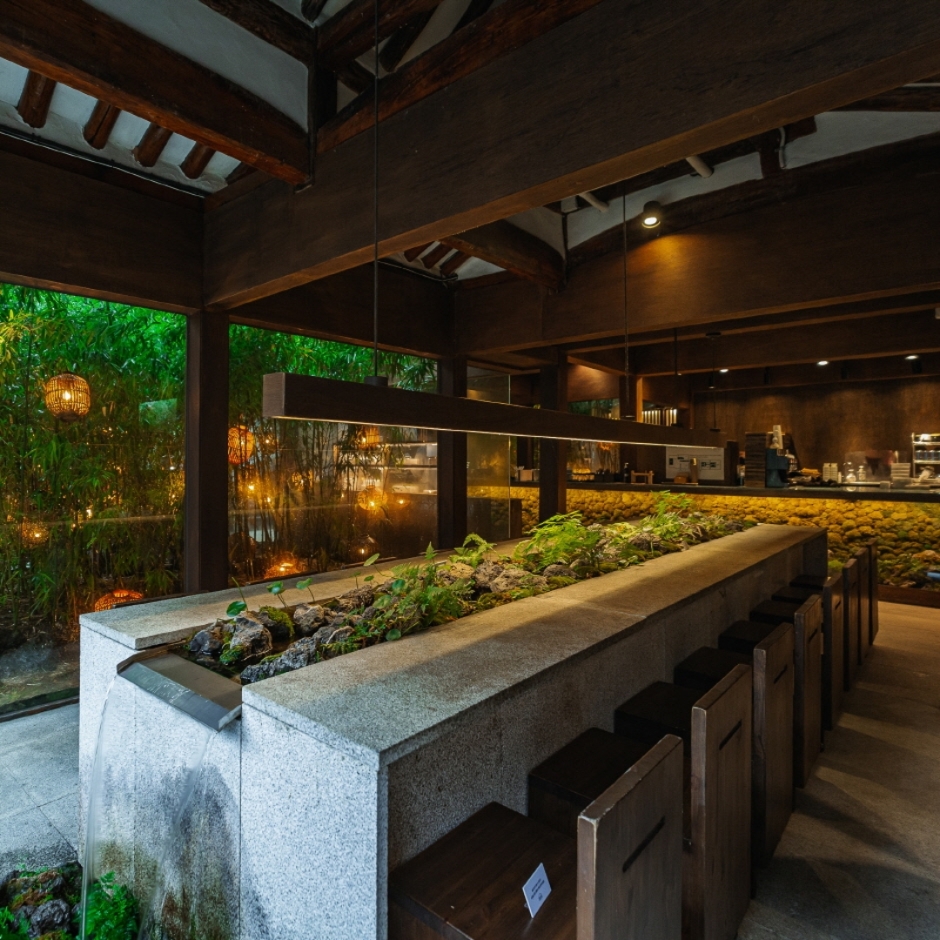
Cheongsudang Bakery es una gran panadería que combina seis casas tradicionales hanok en una solo, y tiene incluso jardín. Los visitantes pueden relajarse en un entorno arbolado dentro de la ciudad. Hay varios postres disponibles, incluido un paquete de regalo especial. Disfrute de un ambiente tranquilo mientras deja que el tiempo corra más despacio.
Centro de Arte de Seúl Galería Gongpyeong (서울아트센터 공평갤러리)
1.6Km 2023-01-03
Samil-daero 30-gil 10-3, Jongno-gu, Seúl.
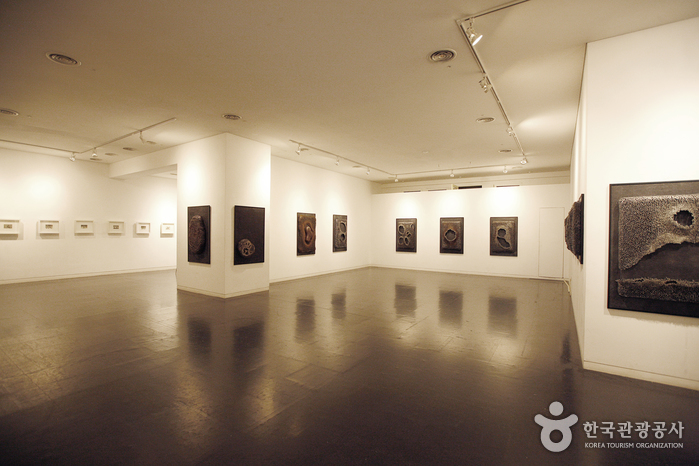
Esta galería, inaugurada en 1992, tiene grandes dimensiones: posee 2 pisos, con 4 salas de exposición. La institución organiza exposiciones de todo tipo: arte oriental, occidental, coreano, de escultura, etc., por lo que es un destino imperdible durante una visita a Insa-dong. Más que ser un espacio destinado únicamente a las exposiciones, trata de desarrollarse como un complejo cultural artístico.
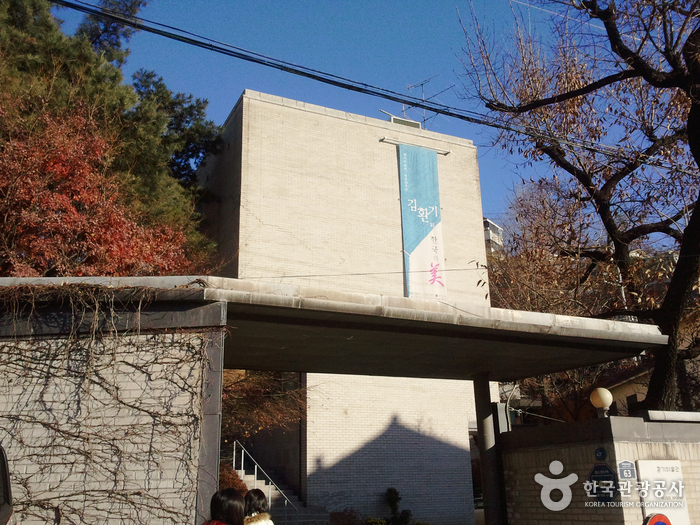
Museo Whanki (환기미술관)
1.6Km 2021-05-21
Jahamun-ro 40-gil 63, Jongno-gu, Seúl
La Fundación Whanji inauguró el Museo Whanki en 1992 en honor al pintor Kim Whanki (1931-1974). El museo posee alrededor de 300 piezas de Kim Whanki, así como realizar diversas exhibiciones especiales sobre el arte contemporáneo y otros eventos, además de exposiciones permanentes de las obras de Kim Whanki. Con dichas actividades, el Museo Whanki se esfuerza por recordar el valor del pintor Kim y sus influencias, y desarrollar más el arte coreano.
 Español
 한국어
한국어 English
 日本語
日本語 中文(简体)
 Deutsch
 Français
 Русский


