
Suyeonsanbang (수연산방)
11.2Km 2024-07-19
8, Seongbuk-ro 26-gil, Seongbuk-gu, Seoul
Suyeonsanbang, a traditional Korean tea house located in Seongbuk-dong, was originally the house where the late Korean author Lee Tae-Jun wrote many of his books. Now, his estate has opened Suyeonsanbang’s doors to the public in the form of a charming and peaceful tea house. Famous for its savory tea, beautiful nature, and rich history, Suyeonsanbang has been covered by a variety of foreign media outlets like NHK (Japan), BBC (UK), French TV channels, and numerous Japanese magazines. To take a break during the summer heat, visitors come to Suyeonsanbang to try their patbingsu (shaved ice with red beans), one of its summer specialties. So come relax and be inspired in this traditional Hanok tea house.
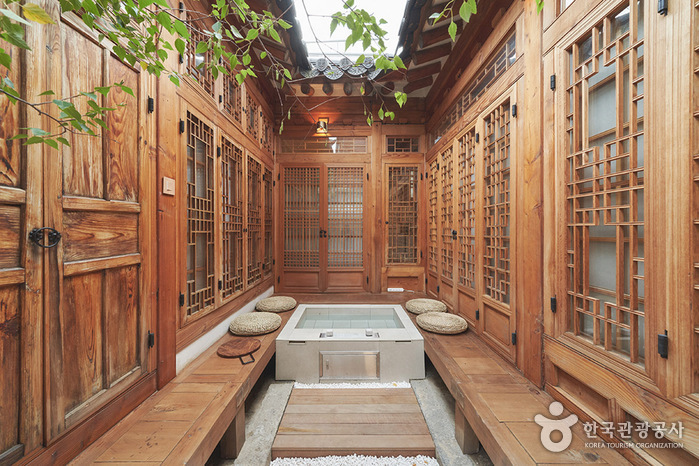
Of one book and stay / 일독일박
11.2Km 2025-08-11
11-1, Pirundae-ro 3-gil, Jongno-gu, Seoul
This hanok (traditional Korean house) is located in Seochon Village near Gyeongbokgung Palace. It is a modern C-shaped hanok centered around the inner courtyard, which is the first thing that the guests see after entering through the gate. While it is not expansive, white pebbles and a foot bath make this hanok a unique one. One can enjoy a foot bath while sitting on the porch.
The bedroom, which is located beyond the living room, is furnished with a queen-sized bed. Opening the screen doors brings one to the view of the kitchen area beyond the inner courtyard. A large table, plush sofa, and a small bookcase make the space ideal for books and discussions. Climbing the wooden ladder to the side of the kitchen brings one to the attic, which also doubles as a Korean-style room with a skylight. The kitchen is furnished with a refrigerator, microwave oven, gas stove, electric kettle, toaster, pots, utensils, wine glasses, and bottled water. There is a restroom with a bathtub. The standard occupancy of the house is 4 people.
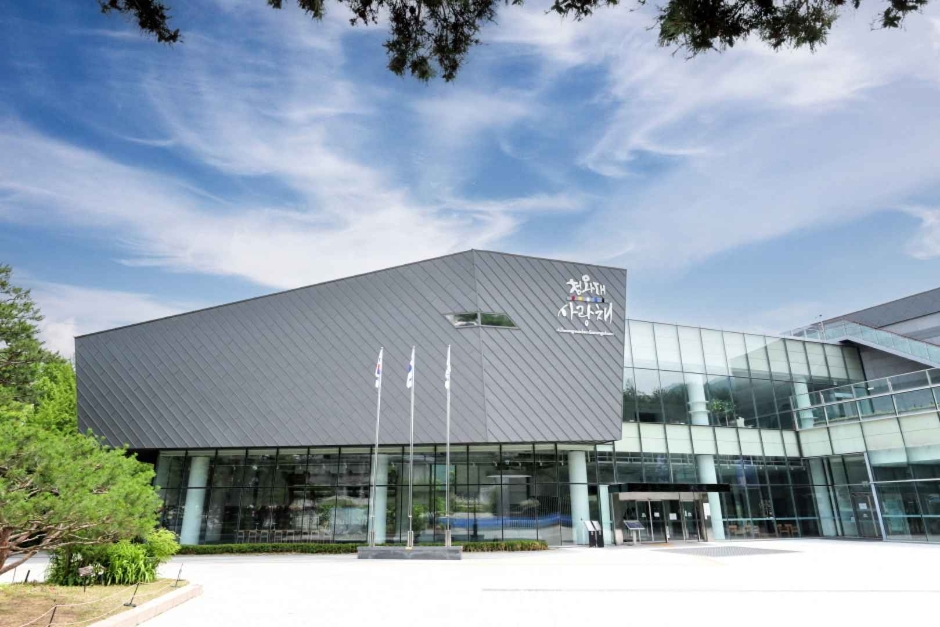
Sarangchae de Cheong Wa Dae (청와대사랑채)
11.3Km 2025-08-20
Hyoja-ro 13-gil 45, Jongno-gu, Seúl
Sarangchae de Cheong Wa Dae es un espacio donde los visitantes pueden aprender sobre cultura coreana y la historia de los presidentes de Corea. Los visitantes pueden también conocer algunas anécdotas e historias relacionadas con Cheong Wa Dae y sentir el encanto de hacer turismo en Corea.
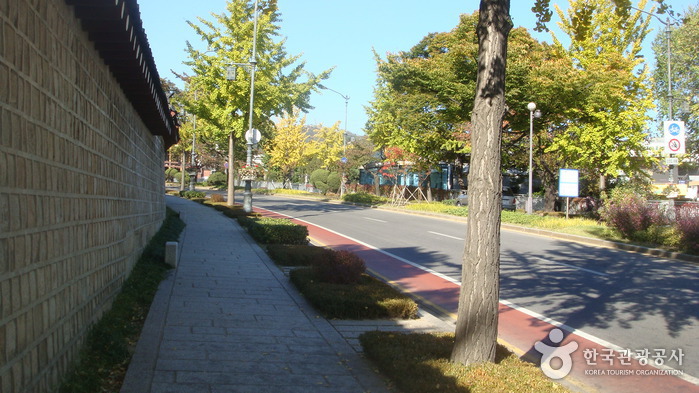
Calle Frontal de Cheong Wa Dae (청와대 앞길)
11.3Km 2025-08-20
Gungjeong-dong, Jongno-gu, Seúl
La calle frontal de Cheong Wa Dae (también conocida como Casa Azul) está abierta al público e incluye el Hyoja Samgeori (intersección de tres calles) en Hyoja-dong y el Palpan Samgeori (intersección de tres calles) en Palpan-dong. Cuando se camina por la calle Hyoja-ro, desde la Estación de Gyeongbokgung del metro, se pueden ver una fuente, el jardín Mugunghwa, y los pabellones Daegogak y Yongbingwan. Al principio de la calle, enfrente de Cheong Wa Dae, árboles y hermosos jardines de flores decoran los dos lados de la misma, creando un agradable lugar para pasear.
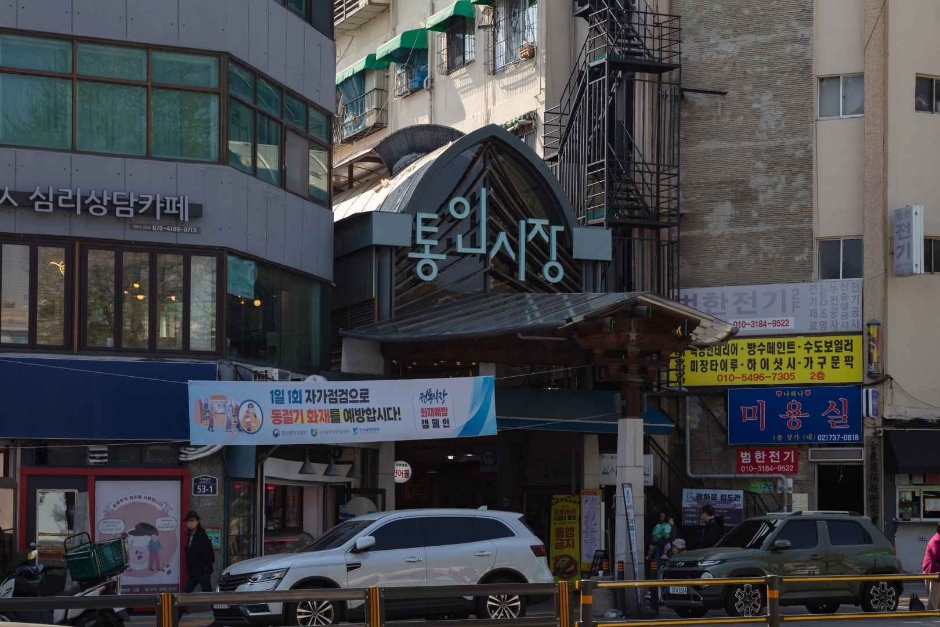
Mercado Tongin (통인시장)
11.3Km 2025-08-08
Jahamun-ro 15-gil 18, Jongno-gu, Seúl.
El Mercado Tongin tiene su origen en el mercado público establecido para los residentes japoneses cerca del barrio Hyoja-dong de Seúl en junio de 1941, cuando Corea aún estaba bajo el dominio nipón. Tras la Guerra de Corea (1950-1953), la nación experimentó un gran crecimiento de la población, que también aumentó el consumo y la demanda, estimulando el establecimiento de tiendas y vendedores callejeros. El Mercado Tongin consiste en 75 tiendas, la mayoría de las cuales son restaurantes y pequeños supermercados. Las tiendas venden productos pesqueros y agrícolas como hortalizas, frutas y pescados. También hay algunas tiendas que venden ropa o calzado, y algunos talleres de reparación de ropa y zapatos.
Haeunjae / 하은재
11.3Km 2025-08-12
68-10, Jahamun-ro, Jongno-gu, Seoul
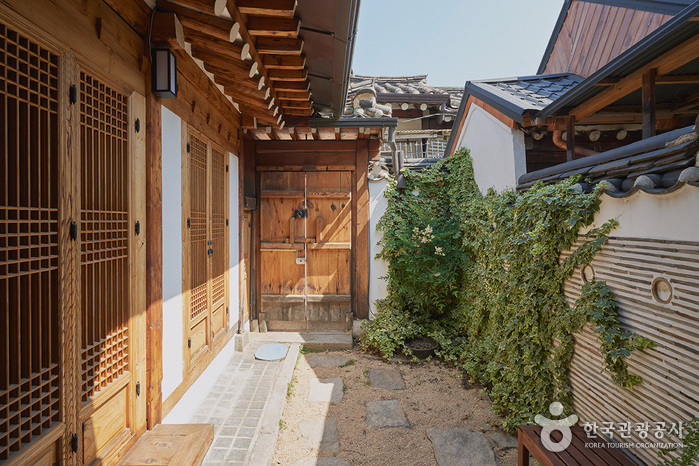
Haeunjae (下隱齋), meaning “hermit’s residence,” is a hanok (traditional Korean house) residence located in Seochon Hanok Village, near Gyeongbokgung Station on Seoul Subway Line 3. It is dedicated to the ideal of “movies and rest,” and takes after the characteristic form of modern hanok with a small courtyard. The entire house is rented out at once, with a queen bedroom, kitchen, movie room, and two restrooms. Up to 4 guests can reserve the house, with each additional guest above the standard of 2 having access to additional bedding.
The movie room is furnished with a Bose sound system, beam projector, and screen, along with a mobile foot bath. The kitchen is equipped with a refrigerator, hand drip coffee maker, toaster, electric kettle, and utensils. A 10% discount is available for guests staying for more than 2 nights on weekdays, and towel replacement and cleaning services are offered for guests staying for more than 3 nights.
The residence is located close to tourist sites like Tongin Market, Gyeongbokgung and Changdeokgung Palaces, and Samcheong-dong area.
Monte Bonghwasan en Seúl (봉화산(서울))
11.4Km 2022-09-14
Sinnae-ro 21-gil, Jungnang-gu, Seúl.
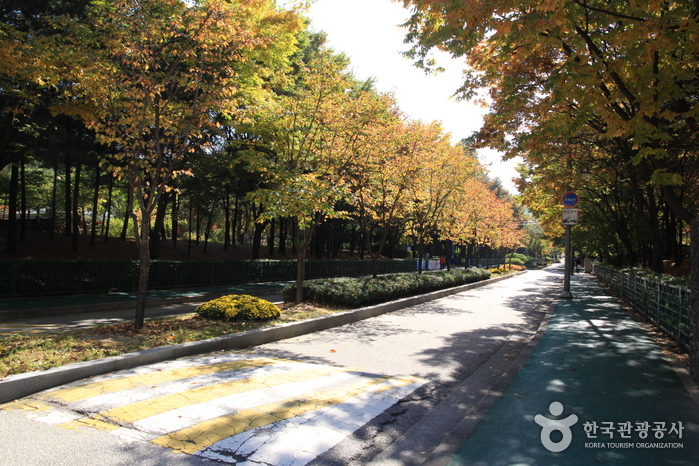
El monte Bonghwasan (160 metros de altitud) del distrito de Jungnang-gu de Seúl ofrece bonitas vistas de los montes Buramsan, Dobongsan y Namsan. Desde esta montaña, los senderistas alcanzan a ver la ciudad de Yangju al norte, en la provincia de Gyeonggi-do. Oficialmente designado como “parque municipal” en julio de 1977, el monte Bonghwasan dispone de varias instalaciones, entre las que se encuentra la torre de Achasan Bongsudae (restaurada en 1994) en la cima. Cerca de la cima también se encuentran el santuario Sansingak, que cada año alberga el Bonghwasan Dodanggut (Propiedad Cultural Intangible de Seúl), un rito chamánico celebrado en el tercer día del tercer mes lunar.
Parque Yeouido del Río Hangang (여의도한강공원)
11.4Km 2024-03-12
Yeouidong-ro 330, Yeongdeungpo-gu, Seúl.
El Parque Yeouido del Río Hangang está situado en Yeouido, el corazón de la política, las finanzas y el periodismo de Corea. Por su fácil acceso, se ha convertido en un lugar de descanso y relajamiento muy elegido por los ciudadanos. Sus alrededores también albergan muchos eventos y festivales que proporcionan entretenimiento y diversión a los visitantes. En primavera la gente puede divertirse en el Festival de las Flores de Cerezo y en el otoño en el Festival Internacional de los Fuegos Artificiales y en la Competencia de Maratón. El parque cuenta con distintas instalaciones como Jardines ecológicos, Zonas de Aprendizaje de la Naturaleza, Escenario Acuático, Fontanas Flotantes, Cascadas Luminosas, Senderos Acuáticos del Piano, Festilandia, etc.
Piscina de Yeouido del Parque del Río Hangang (한강시민공원 여의도수영장)
11.4Km 2022-07-25
Yeouidong-ro 330, Yeongdeungpo-gu, Seúl
+82-2-785-0478
La piscina al aire libre en Yeouido también es conocida con el nombre de Supia, que es un parque temático de todo el año en el río Hangang. El nombre "Supia" combina "Arisu" (el nombre anterior del río Hangang) y Utopía.
Festival Internacional de Fuegos Artificiales de Seúl con Hanwha (한화와 함께하는 서울세계불꽃축제)
11.4Km 2025-09-09
Yeouidong-ro 330, Yeongdeungpo-gu, Seúl
02-519-9778
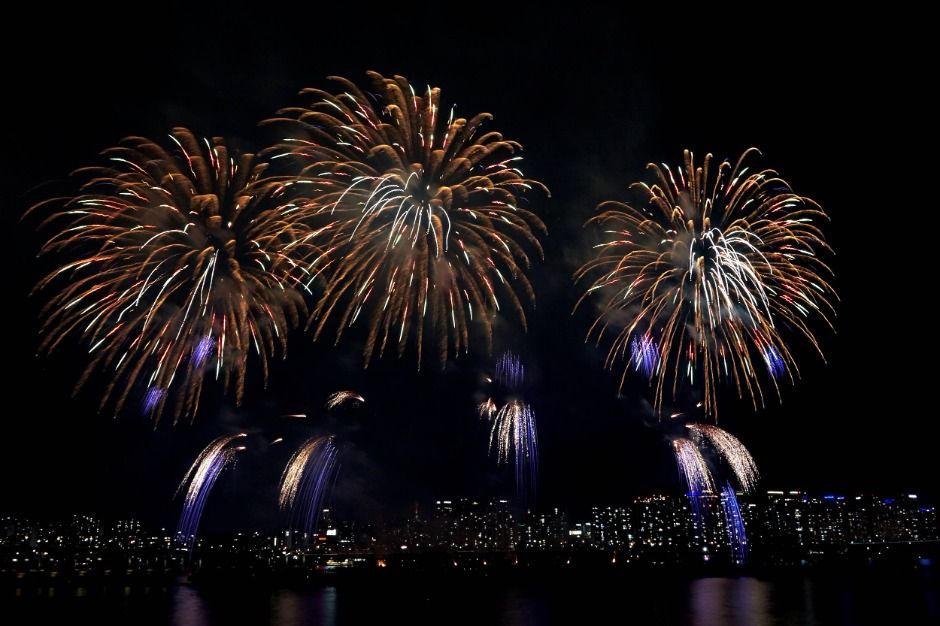
En otoño de cada año se celebra el Festival Internacional de Fuegos Artificiales, un evento internacional que tiñe con múltiples colores el cielo negro nocturno del Parque del Río Hangang. El evento cuenta con la participación de diversos equipos de los fuegos artificiales, no solo de Corea sino también de distintos países del mundo.
Consejos:
* El lugar ideal para ver el show es la zona que se encuentra a 300 metros aproximadamente del escenario.
* El patio del Edificio 63 es el sitio perfecto para ver el espectáculo, pero suele estar repleto de gente. Se recomienda la torre de estacionamiento de Noryangjin, que permite ver claramente los fuegos artificiales.
* El lado opuesto del río también es una zona recomendada.
 Español
 한국어
한국어 English
 日本語
日本語 中文(简体)
 Deutsch
 Français
 Русский


