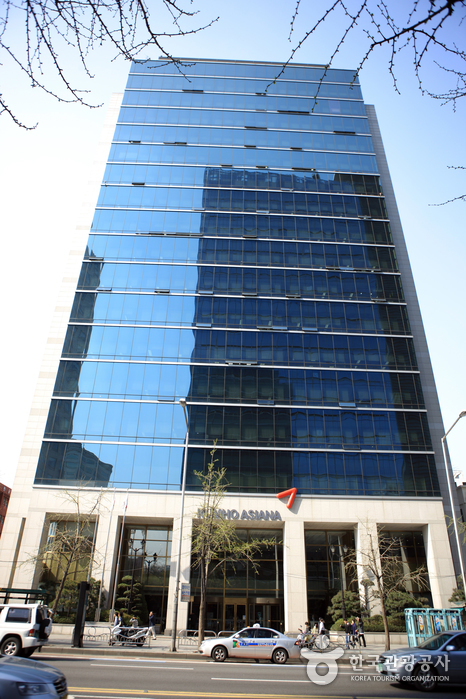
Kumho Art Hall (금호아트홀)
1.6Km 2021-12-28
Saemunan-ro 76, Jongno-gu, Seúl.
Kumho Art Hall fue fundado exclusivamente para conciertos de música clásica. Se ubica cerca de Gwanghwamun. Con una capacidad para 390 personas, cuenta con una estructura perfecta para conciertos. Todos los asientos son cómodos y el amplio espacio entre las filas de los asientos permite que los espectadores disfruten del espectáculo. También hay asientos portables para discapacitados. El interior del teatro es cómodo y elegante, el escenario está hecho de madera de arce. Se realizan 150 conciertos anualmente, y también se llevan adelante exposiciones de arte en el pabellón principal.
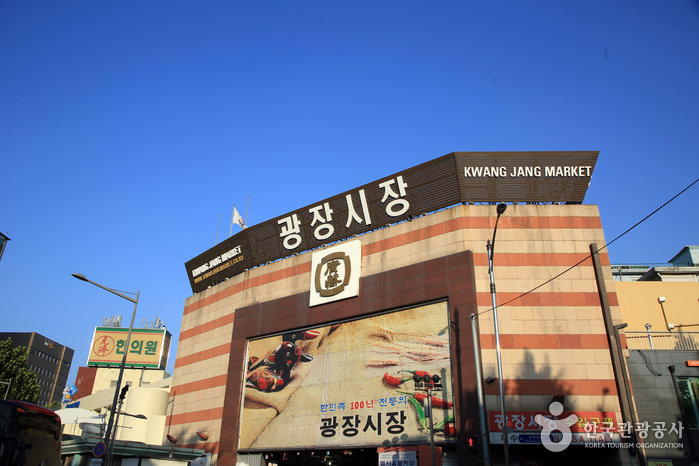
Mercado Gwangjang (광장시장)
1.6Km 2024-05-17
Changgyeonggung-ro 88, Jongno-gu, Seúl.
En los últimos tiempos está aumentando la cantidad de turistas que visitan el Mercado Dongdaemun. El motivo por el que la mayoría de los turistas acuden al lugar es por la concentración de los puestos callejeros de comidas; pero hoy en día, su cantidad ha disminuido notablemente. A diferencia del Mercado Dongdaemun, el Mercado Gwangjang tiene una gran cantidad de puestos callejeros de comidas, incluso los domingos, aunque estén cerradas las tiendas de artículos. Estos puestos callejeros presentan una infinita variedad de platos deliciosos, ya sean los tradicionales o las comidas rápidas. Entre los platos principales están: pescado crudo rebanado, gimbap (rollo de arroz con alga), sundae gukbap (arroz hervido con salchicha coreana), kalguksu (sopa de fideos hechos a mano), bibimbap (arroz mezclado con surtido de vegetales), bindaetteok (crep al estilo coreano), etc., entre otros. Es ideal para conocer y experimentar la cultura de las comidas callejeras coreanas.
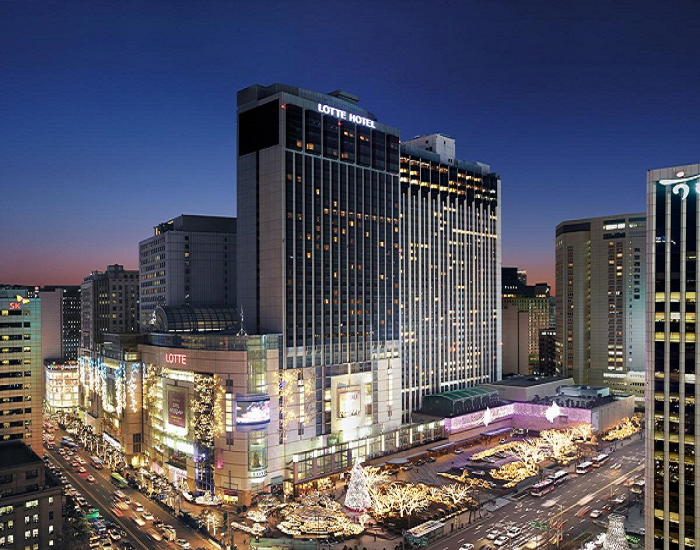
Lotte Hotel Seoul (롯데호텔서울)
1.6Km 2025-10-23
30, Eulji-ro, Jung-gu, Seoul
Lotte Hotel Seoul is a first class hotel located in the heart of Seoul, offering outstanding services to guests. The hotel is equipped with over 1,015 guestrooms, restaurants and bars, grand conference halls and banquet halls, a fitness club, business center, hotel museum, Lotte Duty Free, and a variety of other facilities to accommodate guests. In 2018, the executive tower was upgraded, adding more luxury to the hotel.
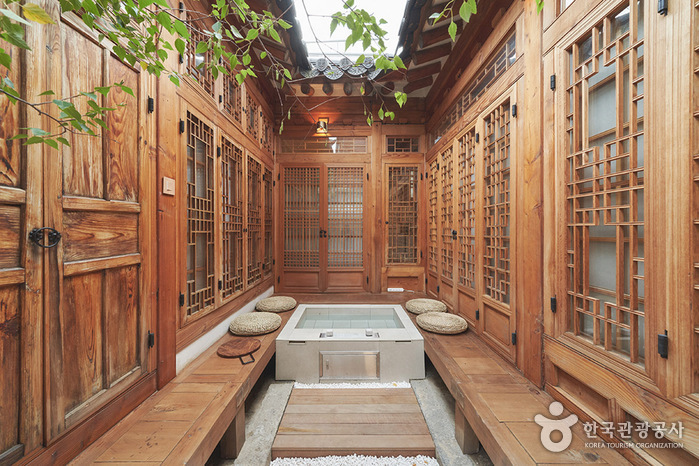
Of one book and stay / 일독일박
1.6Km 2025-08-11
11-1, Pirundae-ro 3-gil, Jongno-gu, Seoul
This hanok (traditional Korean house) is located in Seochon Village near Gyeongbokgung Palace. It is a modern C-shaped hanok centered around the inner courtyard, which is the first thing that the guests see after entering through the gate. While it is not expansive, white pebbles and a foot bath make this hanok a unique one. One can enjoy a foot bath while sitting on the porch.
The bedroom, which is located beyond the living room, is furnished with a queen-sized bed. Opening the screen doors brings one to the view of the kitchen area beyond the inner courtyard. A large table, plush sofa, and a small bookcase make the space ideal for books and discussions. Climbing the wooden ladder to the side of the kitchen brings one to the attic, which also doubles as a Korean-style room with a skylight. The kitchen is furnished with a refrigerator, microwave oven, gas stove, electric kettle, toaster, pots, utensils, wine glasses, and bottled water. There is a restroom with a bathtub. The standard occupancy of the house is 4 people.
Lotte Duty Free (Casa Central) (롯데면세점 (본점))
1.6Km 2025-08-04
Eulji-ro 30, Jung-gu, Seúl.
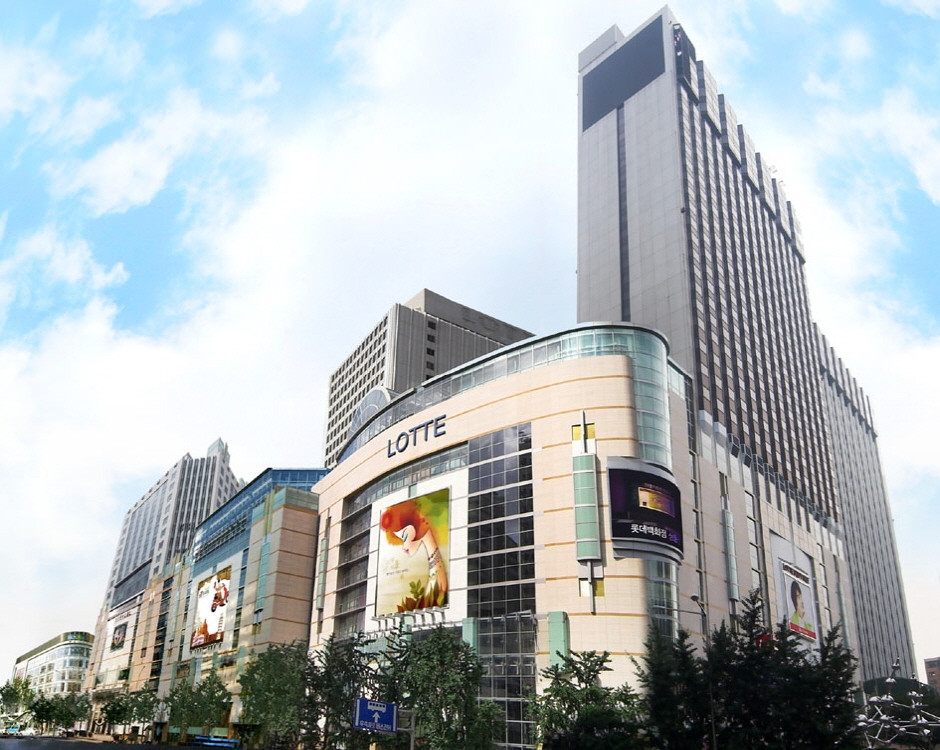
Lotte Duty Free tiene gran variedad de productos de marca, artículos importados de todo el mundo y también tiene sucursales en el exterior. Está en el centro del Seúl, cerca de los hoteles, centros comerciales, el Mercado de Namdaemun y el Mercado de Dongdaemun. El Centro Comercial Lotte, donde el Lotte Duty Free está localizado, se llena de visitantes, turistas y se conecta con el edificio del Lotte Hotel. El hotel es de alta calidad para los turistas que quieran realizar compras y disfrutar del paisaje urbano de Seúl. Lotte Duty Free está en el Piso 9 y 10 del Centro Comercial Lotte.
Museo de Arte Sungkok (성곡미술관)
1.6Km 2021-02-03
Gyeonghuigung-gil 42, Jongno-gu, Seúl.
+82-2-737-7650
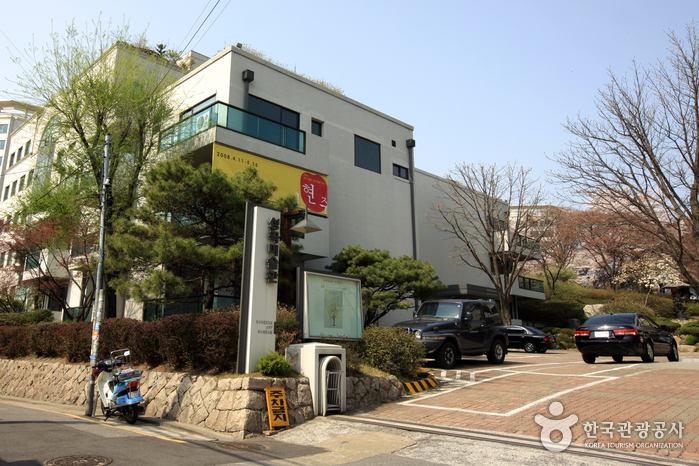
El museo fue inaugurado en el año 1995 en homenaje al maestro Kim Sung-kok, fundador de la compañía Ssangyong. Es una institución pública, cuya finalidad es estructurar el servicio de bienestar social por medio del arte y la cultura. La exposición está enfocada a las obras artísticas que interpretan y reflejan la tradición, las costumbres y el color folclórico de Corea, en un entorno moderno. Más allá de las exhibiciones, también apoya a los nuevos artistas, por medio de proyectos como el “Concurso Artístico de Sungkok”, y el “Artista del Futuro”. Está compuesto por el edificio principal, el edificio anexo y un parque de esculturas. También dispone de una cafetería y una tienda de artículos artísticos.
Hyehwa1938 / 혜화1938
1.6Km 2025-08-12
7, Sungkyunkwan-ro 16-gil, Jongno-gu, Seoul
+82-10-7107-1752
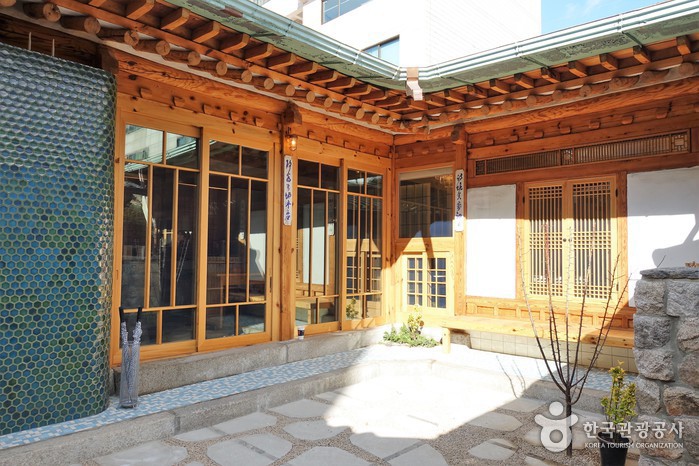
Located in (no suggestions)-dong of Seoul, Hyehwa 1938 is a lodging facility which is based on the remodeling of an 80-year- old traditional Korean house. A traditional Korean house expert initially wanted to use it as an office but later decided to turn it into a guest house due to its large size. As a result, the unique beauty of traditional Korean house was revived while improving practicality. The Woojeong room and Sarang room are now resized to accommodate max 8 persons which used to be only max 4 in the past. Despite the remodeling, the aura and atmosphere of the traditional Korean house is well preserved. Inside the room, you can see that the chandelier of the rich house in the '30s are accompanied by modern furniture and electronics which maintain unique harmony. Open the windows to see sansuyu and maehwa along with other various seasonal trees with beautiful colors and also the space such as edges and sewers are well arranged to avoid any discomforts with your eyesight. The heart of architecture offers only two rooms for guests, and you are all welcome to enjoy the true beauty of Korea.
K-POP Cover Dance Festival World Final (K-POP 커버댄스 페스티벌 월드 파이널)
1.6Km 2025-10-23
Sejong-daero 110, Jung-gu, Seúl
02-2000-9324
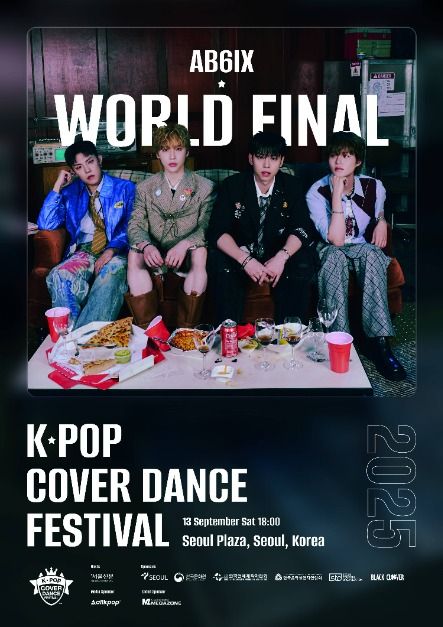
K-POP Cover Dance Festival World Final es un festival global de baile de versiones de K-POP donde los fans de todo el mundo se convierten en las estrellas. No se trata solo de bailar; se trata de compartir e interactuar con otras culturas, viviendo un momento especial donde se convierten en héroes a la altura de las estrellas. Los participantes pueden expresar su pasión e individualidad únicas a través de las presentaciones, forjar amistades con fans de diversas nacionalidades y establecer nuevas redes globales. Además, al convertir el K-POP de un mero consumo a una cultura creada por los fans, también sirve como un importante programa de diplomacia cultural que conecta a Corea con el mundo.

Dalgaebi (달개비)
1.6Km 2025-05-14
16, Sejong-daero 19-gil, Jung-gu, Seoul
Dalgaebi is a restaurant specializing in Korean table d'hote, using fresh seasonal ingredients. Its flagship menu is the teukseon sangcharim jeongsik (special set menu), which includes porridge, seasonal dishes, main courses, and desserts. The galbi sangcharim (galbi course), featuring premium Korean beef galbi grilled over charcoal and served with soybean paste jjigae, is also popular. Known for its private dining spaces and upscale ambiance, reservations can be made via phone.
Festival de Arte Callejero de Seúl (서울거리예술축제)
1.6Km 2025-10-23
Taepyeong-ro 1-ga 1, Jung-gu, Seúl.
02-2088-4957
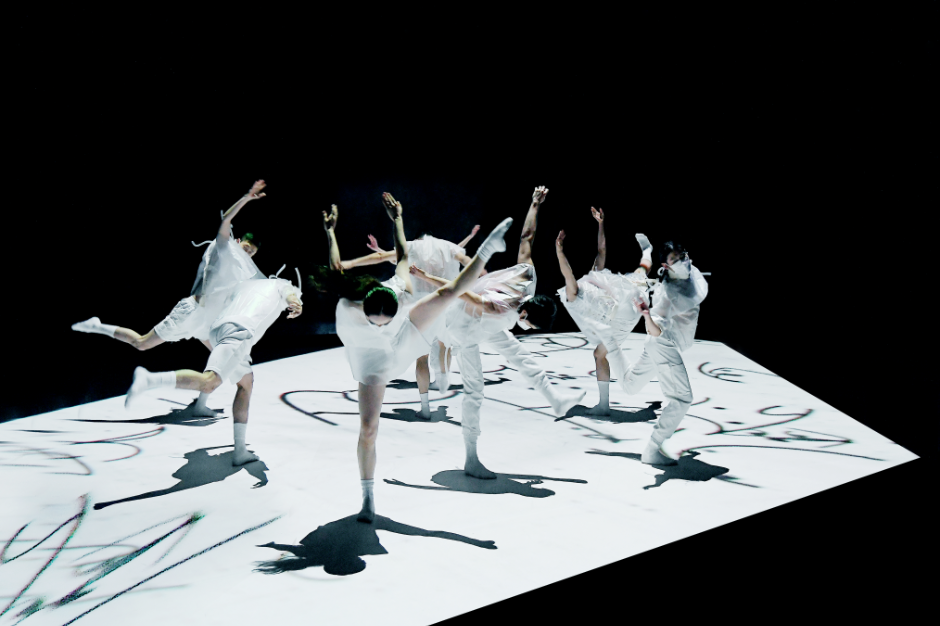
El Festival de Arte Callejero de Seúl se realiza en las principales plazas y espacios culturales que conectan las grandes calles y avenidas de Seúl. Diferentes manifestaciones artísticas callejeras encuentran un lugar de expresión en este festival. Desde el año 2003 se celebraba bajo el nombre de Festival Hi Seoul, pero en 2016 cambió por su actual denominación.
 Español
 한국어
한국어 English
 日本語
日本語 中文(简体)
 Deutsch
 Français
 Русский


