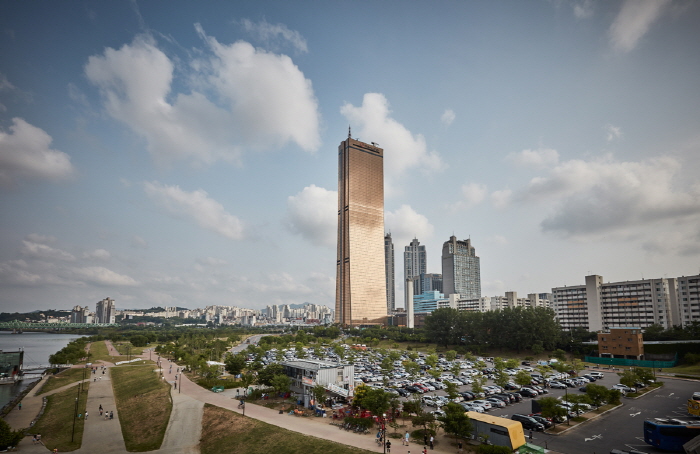
63 Square (63스퀘어)
3.9Km 2024-07-29
63-ro 36, Yeongdeungpo-gu, Seúl.
El edificio 63 Square, el rascacielos más alto de los alrededores del río Hangang, es un complejo turístico con una torre de observación y una gran variedad de instalaciones. Se encuentra junto a la ribera del río Hangang y el reflejo de sus paredes externas doradas hace que todo lo que hay a su alrededor se tiña con un brillo dorado. Por esta razón, se lo suele llamar “Golden Tower” (Torre de Oro). Se hallan en su interior el teatro IMAX, restaurantes, un centro comercial y un acuario.
Al subir en un ascensor de vidrio, podrá observar todo el panorama de la ciudad, y en un día despejado, puede llegar a ver incluso hasta el mar en la zona de Incheon. Por las noches, el río Hangang, sus puentes ataviados de iluminación y el tránsito se funden en la creación de una vista nocturna imponente. El acuario tiene unas 400 especies marinas, completando una comunidad de 20.000 criaturas en total, que se muestran en sus instalaciones bajo techo. Aquí se encuentran reunidas toda clase de peces y demás criaturas acuáticas, provenientes de ríos y mares, de zonas tropicales, junglas y regiones polares.
El teatro IMAX posee la altura de un edificio de 6 plantas y tiene instalados altavoces ultra grandes y sistema de sonido tridimensional. Tiene además programas de interpretación simultánea de cuatro idiomas para los extranjeros. También cuenta con instalaciones como restaurantes, un bar, un gimnasio, sauna, una cancha de bolos, un centro comercial, varios restaurantes especializados y otras prestaciones de conveniencia, así como también de servicios, de modo que es práctico para los visitantes.
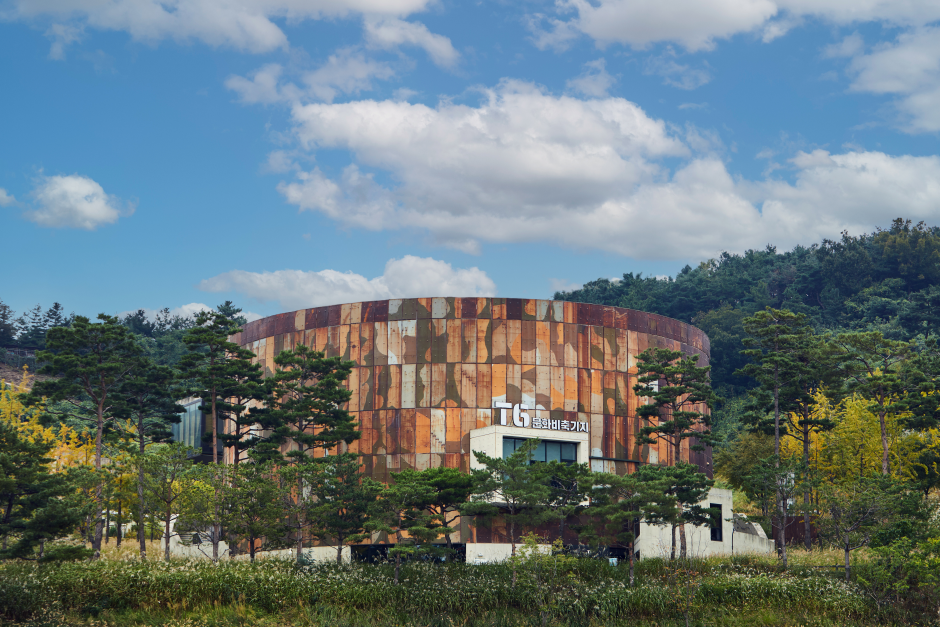
Parque Cultural del Depósito de Combustible de Mapo (마포 문화비축기지)
3.9Km 2024-11-15
Jeungsan-ro 87, Mapo-gu, Seúl
Despues de 41 años de uso como depósito de petróleo, los tanques renacieron como espacio cultural. Los cinco tanques se transformaron en salas de espectáculos, salas de exposiciones y un pabellón multiuso, mientras que un nuevo tanque se construyó para ser utilizado como centro de información. Además, el estacionamiento temporal se convirtio en un patio cultural donde los visitantes pueden relajarse y disfrutar de actividades o espectáculos.
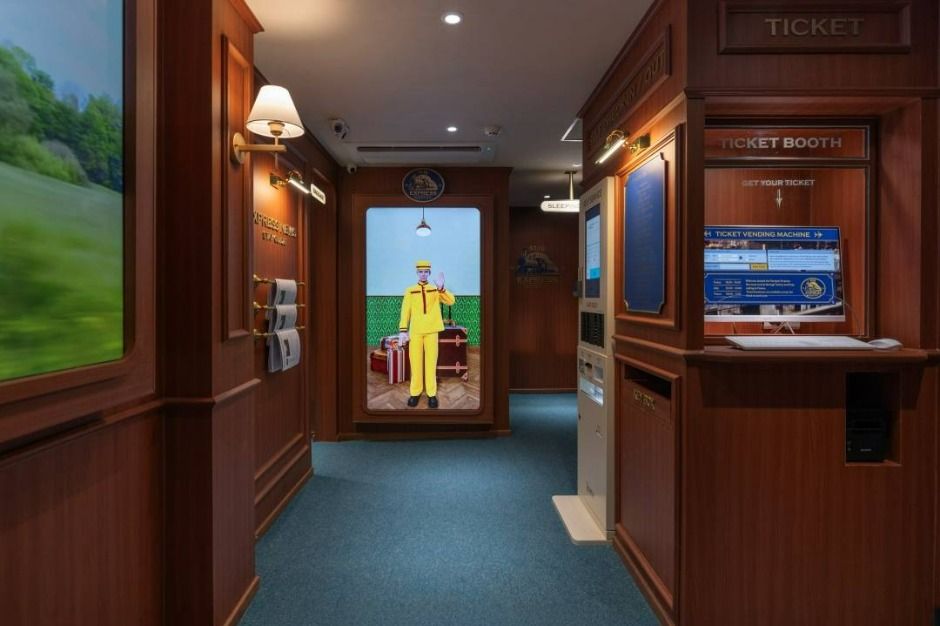
Stay Passport Express Spa Dangsan (스테이 패스포트 익스프레스 스파 당산점)
3.9Km 2025-04-11
92-1, Yangpyeong-ro, Yeongdeungpo-gu, Seoul
Stay Passport Express Spa Dangsan is inspired by European train trip and has a variety of rooms that sticks to the theme. Room types include COUCHETTE, which comes with a wine chiller and a turntable along with vinyl; SLEEPER 4-1 and 4-2, rooms with a turntable and a jacuzzi for four persons; and SLEEPER, a room with a turntable and a jacuzzi for two. The hotel has limited parking space so guests visiting with a vehicle are advised to inquire in advance for a nearby parking lot.

Dalgaebi (달개비)
3.9Km 2025-05-14
16, Sejong-daero 19-gil, Jung-gu, Seoul
Dalgaebi is a restaurant specializing in Korean table d'hote, using fresh seasonal ingredients. Its flagship menu is the teukseon sangcharim jeongsik (special set menu), which includes porridge, seasonal dishes, main courses, and desserts. The galbi sangcharim (galbi course), featuring premium Korean beef galbi grilled over charcoal and served with soybean paste jjigae, is also popular. Known for its private dining spaces and upscale ambiance, reservations can be made via phone.
Valle Suseong-dong (수성동계곡)
4.0Km 2025-04-18
Okin-dong 185-3, Jongno-gu, Seúl
El arroyo del valle Suseong-dong desciende desde el monte Inwangsan y se une al arroyo Cheonggyecheon de Seúl. Se dice que el nombre de la aldea, Suseong-dong, durante la dinastía Joseon, fue puesto por el sonido fuerte y claro del agua que fluye. Aparece en la pintura Jangdong Palgyeongcheop, que es una de las 8 Vistas Escénicas de Jangdong, que comprenden las panorámicas más hermosas de los montes Bugaksan e Inwangsan. También aparece en otros libros históricos de la dinastía Joseon como un lugar de belleza escénica. El valle era tan famoso por su belleza que el principe Anpyeong de la dinastía Joseon construyó su casa, llamada Bihaedang, para disfrutar plenamente de la vista. El valle y el puente de piedra fueron designados como Monumento Cultural de Seúl en 2010.
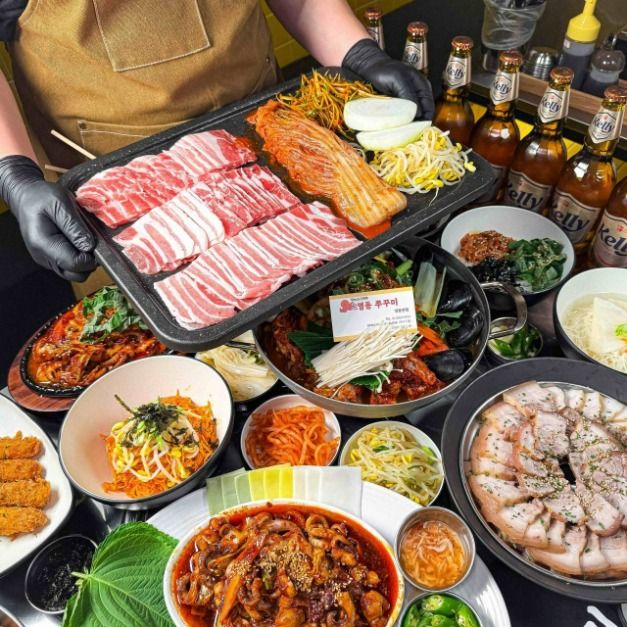
Myeongdong Jjukkumi (명동쭈꾸미)
4.0Km 2025-10-23
3-28, Toegye-ro 6-gil, Jung-gu, Seoul
Myeondong Jjukkumi is a jjukkumi (ocellerated octopus) restaurant located in Jung-gu, Seoul. It only takes about a 1-minute walk from Hoehyeon Station (Seoul Subway Line 4), Exit 2, a convenient location for both tourists and people who work in the area. Main menu items consist of jjukkumi and samgyeopsal (grilled pork belly), pork galbi (rib meat), bossam (cabbage wraps with pork), among other set menus. All dishes are cooked in the kitchen, and are known for their spicy kick and savory taste. The restaurant can accommodate group guests as it has a spacious hall as well as outdoor tables. Customers dining at the restaurant can help themselves to more side dishes at the self-service side dish bar and enjoy a hearty meal at a reasonable price.
Bokidang (복이당)
4.0Km 2025-09-16
3-28, Toegye-ro 6-gil, Jung-gu, Seoul
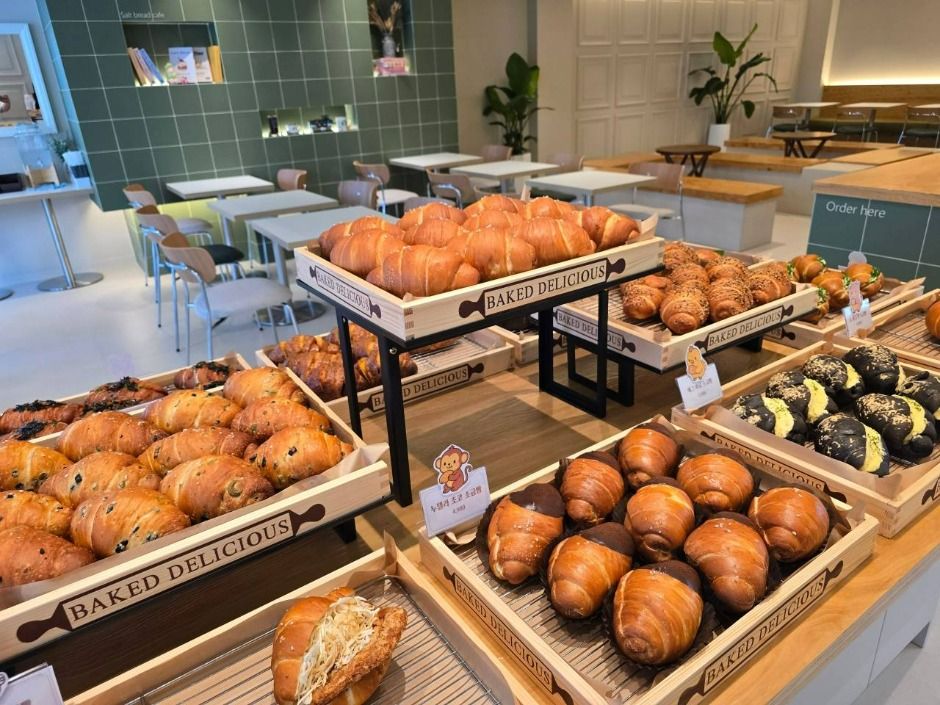
Bokidang is a handmade salt buns specialty bakery cafe located in Jung-gu, Seoul. It is conveniently located just a 30-second walk from Exit 2 of Hoehyeon Station, situated in an area with high foot traffic from office workers and tourists. Bokidang presents handmade salt bread and beverages made with carefully selected fresh ingredients, with the hope that "everyone who eats will be blessed." The signature menu features a lineup of salt breads inspired by the 12 zodiac animal characters, each embodying health, wishes, and small happiness in a single bite. The store has a clean and warm atmosphere with an indoor seating area and outdoor seating, accommodating group guests and offering takeout for added convenience.
The Plaza (더 플라자)
4.0Km 2025-06-04
119, Sogong-ro, Jung-gu, Seoul
The hotel is ideally situated in the center of Seoul, located close to many office areas, major banks, the hotel, and the city's main public transportation junctions. Namdaemun Gate and many shopping areas are not too far, making it convenient for business guests and tourists alike. Also, the hotel faces the Blue House and the former City Hall building directly at closer distance, completing a spectacular view over Seoul.
Of one book and stay / 일독일박
4.0Km 2025-08-11
11-1, Pirundae-ro 3-gil, Jongno-gu, Seoul
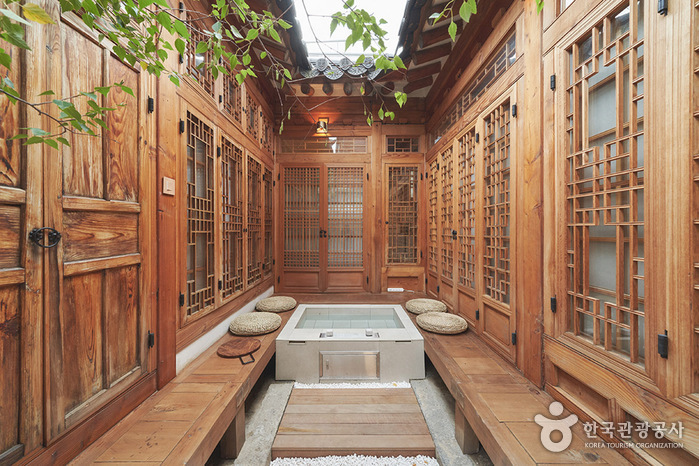
This hanok (traditional Korean house) is located in Seochon Village near Gyeongbokgung Palace. It is a modern C-shaped hanok centered around the inner courtyard, which is the first thing that the guests see after entering through the gate. While it is not expansive, white pebbles and a foot bath make this hanok a unique one. One can enjoy a foot bath while sitting on the porch.
The bedroom, which is located beyond the living room, is furnished with a queen-sized bed. Opening the screen doors brings one to the view of the kitchen area beyond the inner courtyard. A large table, plush sofa, and a small bookcase make the space ideal for books and discussions. Climbing the wooden ladder to the side of the kitchen brings one to the attic, which also doubles as a Korean-style room with a skylight. The kitchen is furnished with a refrigerator, microwave oven, gas stove, electric kettle, toaster, pots, utensils, wine glasses, and bottled water. There is a restroom with a bathtub. The standard occupancy of the house is 4 people.
Festival de Arte Callejero de Seúl (서울거리예술축제)
4.0Km 2025-10-23
Taepyeong-ro 1-ga 1, Jung-gu, Seúl.
02-2088-4957
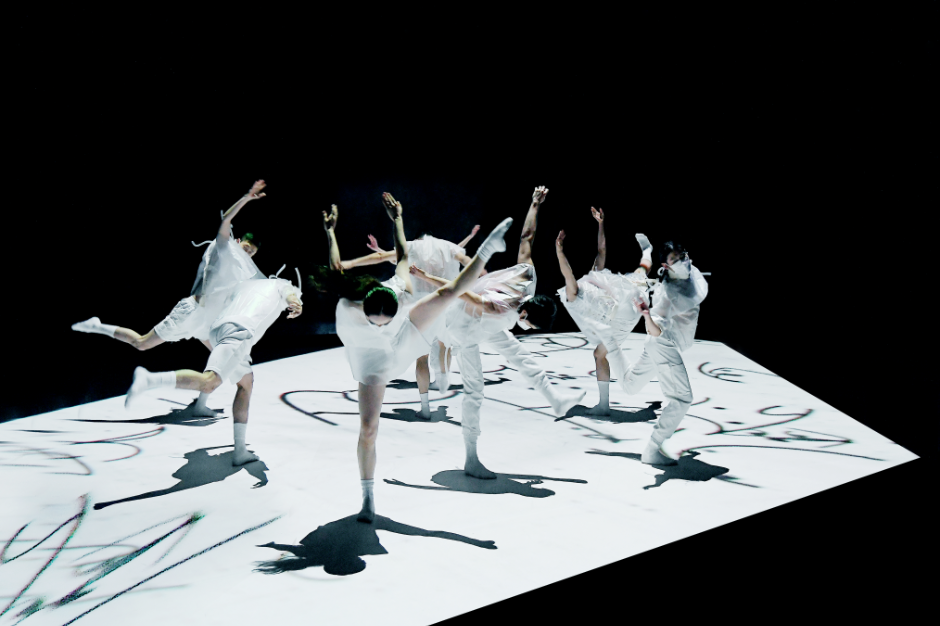
El Festival de Arte Callejero de Seúl se realiza en las principales plazas y espacios culturales que conectan las grandes calles y avenidas de Seúl. Diferentes manifestaciones artísticas callejeras encuentran un lugar de expresión en este festival. Desde el año 2003 se celebraba bajo el nombre de Festival Hi Seoul, pero en 2016 cambió por su actual denominación.
 Español
 한국어
한국어 English
 日本語
日本語 中文(简体)
 Deutsch
 Français
 Русский


