![Olive Young - Jongno 1(il)-ga Branch [Tax Refund Shop] (올리브영 종로1가)](http://tong.visitkorea.or.kr/cms/resource/16/2878216_image2_1.jpg)
Olive Young - Jongno 1(il)-ga Branch [Tax Refund Shop] (올리브영 종로1가)
321.4M 2024-04-16
19, Jong-ro, Jongno-gu, Seoul
-
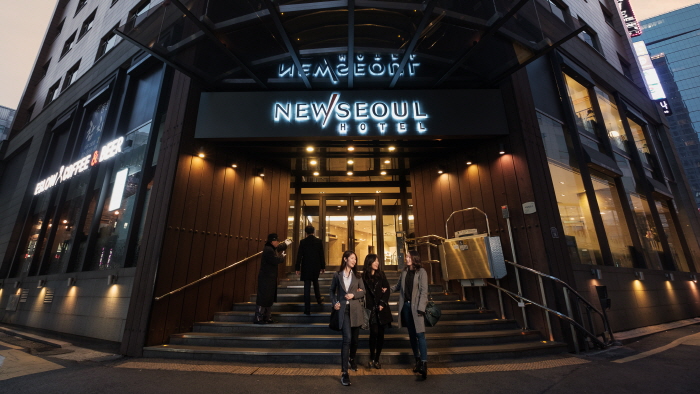
New Seoul Hotel (뉴서울호텔)
340.4M 2021-05-11
16, Sejong-daero 22-gil, Jung-gu, Seoul
+82-2-735-8800
New Seoul Hotel is conveniently located in central Seoul near City Hall, providing guests with easy access to shopping, sightseeing, and more. The guestrooms are outfitted with modern amenities for a comfortable stay, and the hotel has several dining, entertainment and convenience facilities such as a business center, a souvenir shop and men's sauna.
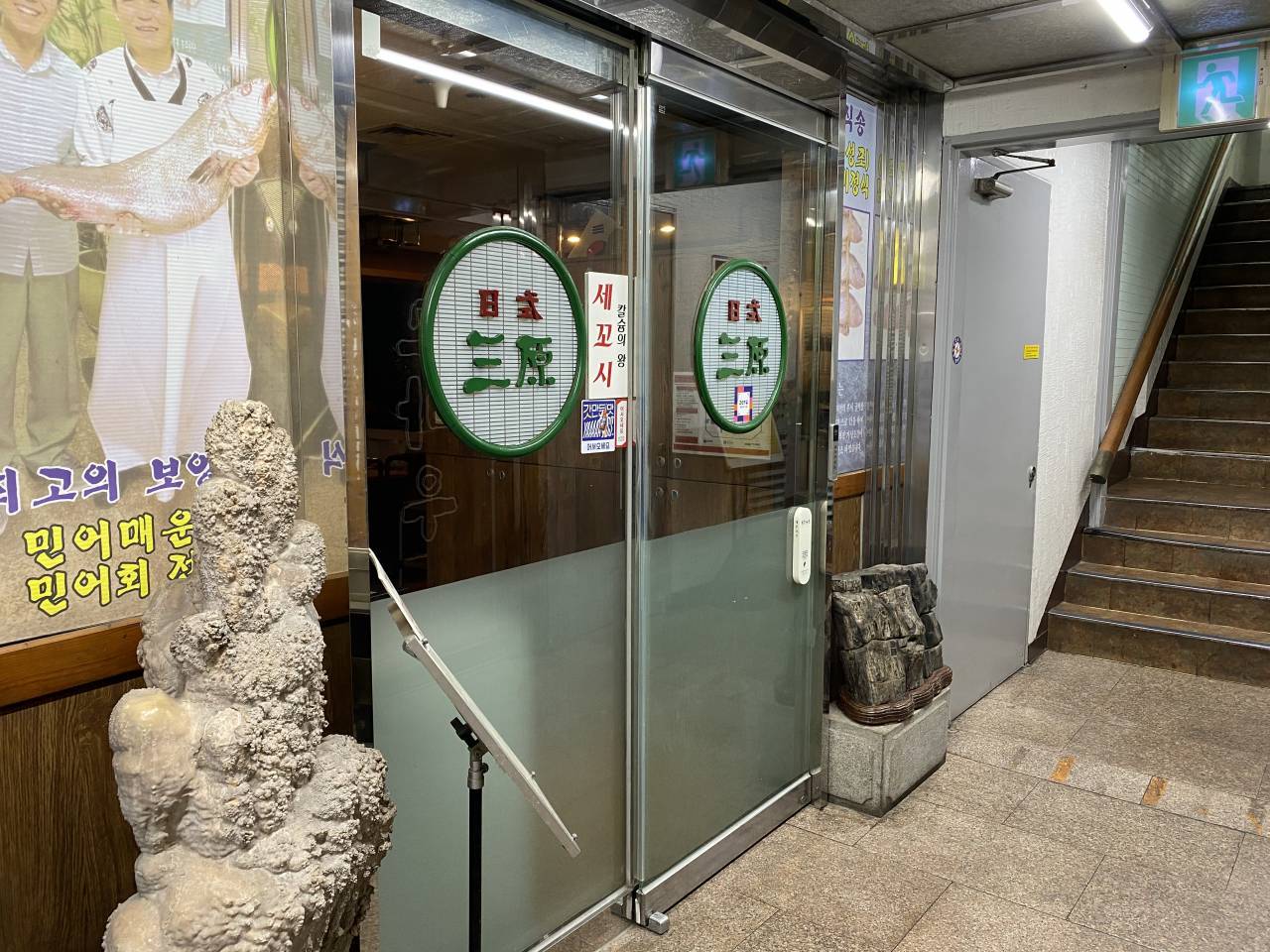
Samwon Ilsik (삼원일식)
354.0M 2021-03-19
32, Mugyo-ro, Jung-gu, Seoul
+82-2-777-3680
This is a Japanese cuisine located in Cheonggyecheon Stream, Seoul. This restaurant is one of Mugyo-dong's best kept secrets. The best menu at this restaurant is codfish stew.
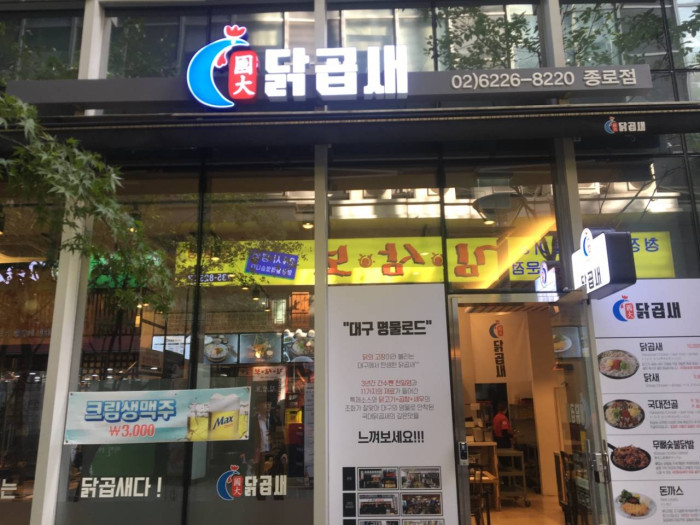
Dakgopsae (닭곱새)
376.3M 2021-03-19
7, Jong-ro 5gil, Jongno-gu, Seoul
+82-2-6226-8220
This Korean cuisine is located near Jonggak Station, Seoul. The representative menu is chicken, beef small intestine and shrimp hot pot. A restaurant where chicken, intestine, and shrimp are fried and served with spicy sauce.
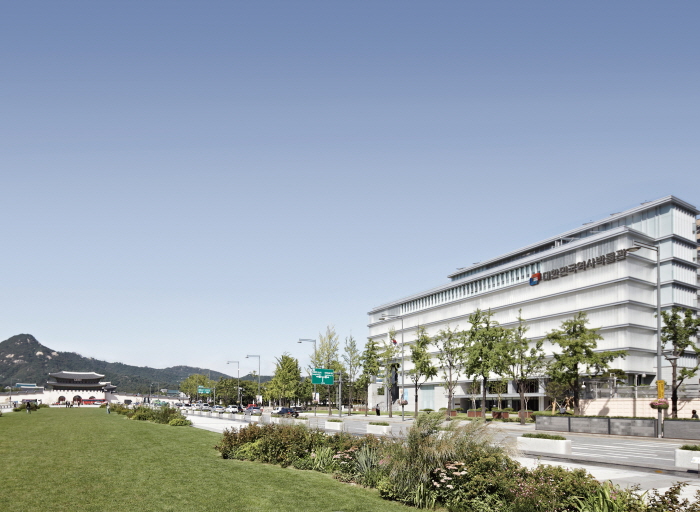
National Museum of Korean Contemporary History (대한민국역사박물관)
383.5M 2022-12-27
198, Sejong-daero, Jongno-gu, Seoul
+82-2-3703-9200
The National Museum of Korean Contemporary History opened on December 26, 2012, and showcases Korea's modern history, from the opening of Incheon Port to current times. The museum provides an in-depth look at the changes in the nation through exhibitions and educational programs, as well as researching, developing, and collecting materials. The museum is comprised of four exhibition halls; Prelude to the Republic of Korea, Foundation of the Republic of Korea, Development of the Republic of Korea, and Modernization of South Korea, toward the World. In addition, the Korean History Dream Village features a hands-on program hall for children to learn modern and contemporary history. In addition to special exhibitions, the museum also offers educational and cultural programs for children.
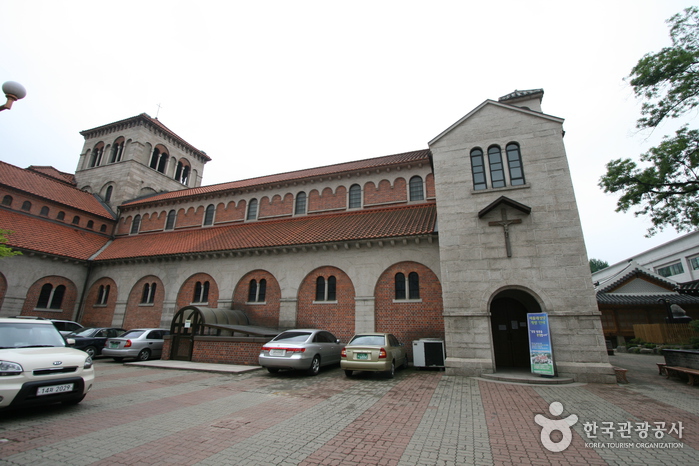
Seoul Cathedral Anglican Church or Korea (대한성공회 서울주교좌성당)
390.5M 2020-03-30
15, Sejong-daero 21-gil, Jung-gu, Seoul
+82-2-730-6611
Seoul Cathedral Anglican Church of Korea began
construction under Mark Trollope, the third bishop of the Anglican Church of Korea, in 1922. It was designed by a English architect Arthor Dixon. Dedication ceremony of the church was held On May 2, 1926 when the construction work hadn't been completed yet. At that time, the church building was a 3-storey building with
a 992 m² floor size. Later in 1993, the original blue print of the church was found at a library in England and the construction resumed
and would be completed in 1996.
The church building is a harmonious combination of Romanesque and traditional Korean style. The exterior of the church is shaped like a cross with various lines placed in harmony. Inside the cathedral, there are 12 stone columns symbolizing the 12 apostles, a
mosaic of Jesus on the front wall, and a brass plate in commemoration of Mark Trollope. Under the brass plate, the
remains of the bishop Mark Trollope are enshrined.
* Size: B1-3F
* Building site area: 519㎡ (157 pyeong), Ground area 909㎡ (275 pyeong)

Olive Young - Mugyodong Branch [Tax Refund Shop] (올리브영 무교동점)
395.1M 2024-06-26
1F, 24, Mugyo-ro, Jung-gu, Seoul
-
![TUBAn [Tax Refund Shop] (주식회사 투바앤)](http://tong.visitkorea.or.kr/cms/resource/47/2890647_image2_1.jpg)
TUBAn [Tax Refund Shop] (주식회사 투바앤)
396.6M 2024-04-23
1955, Goyang-daero, Deogyang-gu, Goyang-si, Gyeonggi-do
-
Gomguksijib (곰국시집)
397.4M 2016-10-21
24, Mugyo-ro, Jung-gu, Seoul
+82-2-756-3249~50
Gomguksi is a soup consisting of handmade noodles and beef slices in a thick and rich beef broth. Gomguksi became famous through word-of-mouth by tourists from the neighboring country of Japan. These days the restaurant is always crowded with people. Also, the side dishes that accompany Gomguksi are extremely delicious.
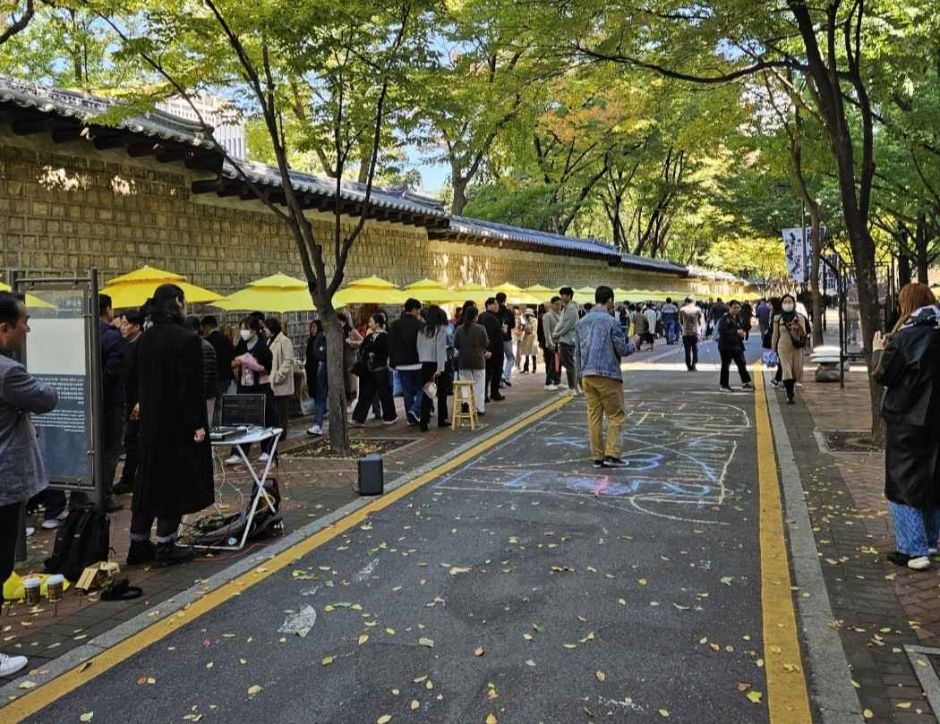
Jeongdong Culture Festival (정동문화축제)
404.6M 2024-10-11
Jeong-dong, Jung-gu, Seoul
+82-2-3701-1603
Jeongdong Culture Festival brings an autumn ambience to Jeongdong-gil in Jung-gu, Seoul. The festival aims to promote the attractions within the area through various events and exhibitions.
 English
 한국어
한국어 日本語
日本語 中文(简体)
 Deutsch
 Français
 Español
 Русский


