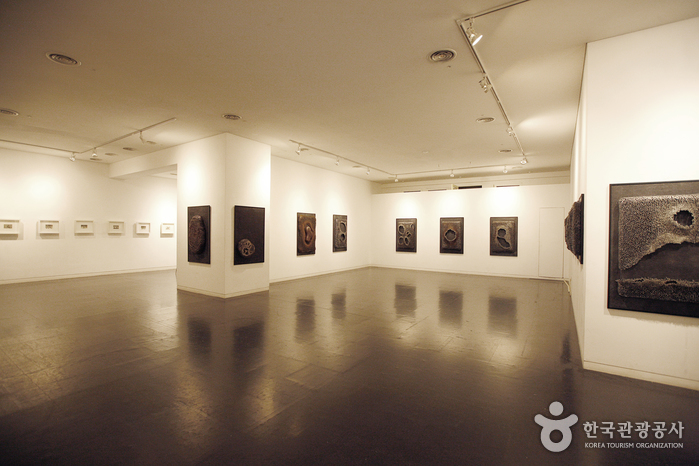
Seoul Art Center Gongpyeong Gallery (서울아트센터 공평갤러리)
9.0Km 2021-06-19
24, Insadong-gil, Jongno-gu, Seoul
Opened in 1992, Seoul Art Center Gongpyeong Gallery is a 17,791㎡, two-story building with four exhibition halls. It is one of the main galleries of Insa-dong, displaying diverse artwork ranging from Western and Korean paintings to sculptures. Due to the great interest in Korean paintings, 2~3 of the annual long-term exhibitions focus solely on them.

Seoul Hyochang Park (서울 효창공원)
9.0Km 2024-07-09
177-18 Hyochangwon-ro, Yongsan-gu, Seoul
Hyochang Park covers 122,245 square meters spanning across Hyochang-dong and Cheongpa 2-dong. It is a historic landmark that once contained several royal tombs, and was known at that time as Hyochangwon. The cemeteries that were originally located in Hyochangwon belonged to Crown Prince Munhyo, King Jeongjo’s first son who died at the age of five; Royal Noble Consort Uibin of the Seong Clan, King Jeongjo’s royal concubine and Crown Prince Munhyo’s mother; Royal Noble Consort Sugui of the Park Clan, King Sunjo’s royal concubine; and her daughter Princess Yeongon. The royal tombs were moved to Seooreung Tombs in the waning months of the Japanese colonial period. The Japanese empire began the development of Hyochangwon into a park in 1924, and the Japanese governor-general officially assigned the site as a park in 1940.
Presently, several of Korea’s greatest leaders are buried in Hyochang Park. The remains mostly belong to independence activists including Yoon Bong-gil, Lee Bong-chang, and Baek Jeong-gi, whose graves are collectively known as Samuisa Tomb. A statue of Lee Bong-chang has been built in the graveyard. Among the other patriotic martyrs who are interred in the park are Kim Gu and some of the key figures of the provisional government such as Lee Dong-nyeong, Cha I-seok, and Cho Seong-hwan. An ancestral shrine named Uiyeolsa has been built along the main gate and holds the portraits of the deceased independence activists.
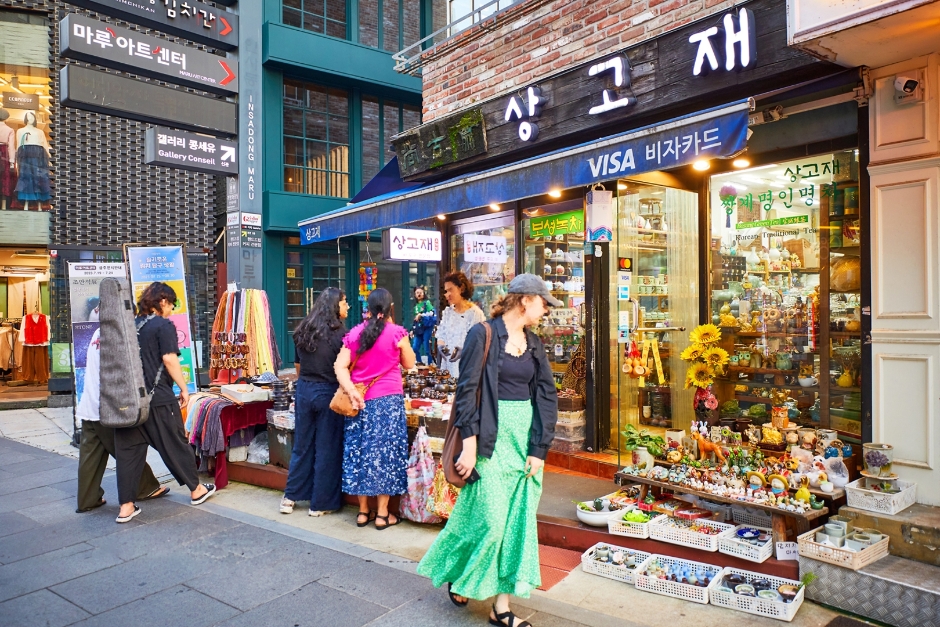
Insadong Cultural Street (인사동 문화의 거리)
9.0Km 2023-12-26
Insa-dong, Jongno-gu, Seoul Metropolitan City
Insadong Cultural Street is a popular tourist destination for visitors from all around the world, thanks to its numerous art galleries, restaurants serving Korean table d’hote, traditional teahouses, and street vendors lining the streets. Its most recognizable feature is the use of Hangeul (Korean script) in storefronts, which allows the visitors to really see just what makes this place so special. Unlike the nearby Ikseon-dong Hanok Street, Insadong Cultural Street has larger streets with wider stores, so it is much easier to traverse. On evenings and weekends, one can find buskers performing on the side of the road.
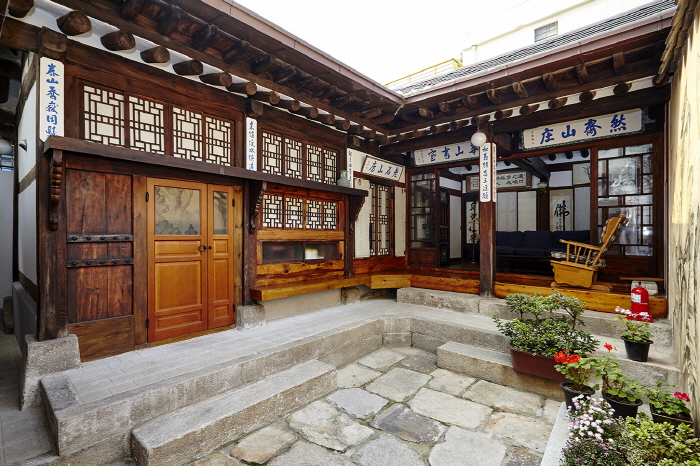
Sieunjae (시은재)
9.0Km 2024-12-23
439 , Samil-daero, Jongno-gu, Seoul
Sieunjae is a hanok stay that has stood in the midst of busy Gyeongun-dong, Jongno-gu, Seoul, for generations. The guestrooms comprise an anbang (bedroom plus living room), three smaller rooms, and a byeolchae or detached house. All rooms have a toilet, and there’s a well-equipped shared kitchen and a washing machine. Guests can either rent individual rooms or the whole hanok. Jongno is convenient for travel to all the historic sites of Seoul, and there’s a public carpark nearby.
Seoul Plaza (서울광장)
9.0Km 2024-06-19
110 Sejong-daero, Jung-gu, Seoul
Seoul Plaza in front of Seoul City Hall is a historic site where the March 1, 1919 (Samil) Independence Movement and the pro-democracy movement in June 1987 were held. It is also a well-known place where tens of thousands of Korean soccer fans gathered together to watch the 2002 World Cup Games. Being located within the center of the city and surrounded by many historic attractions, including Deoksugung Palace, Seoul Plaza has become a representative attraction of Seoul.
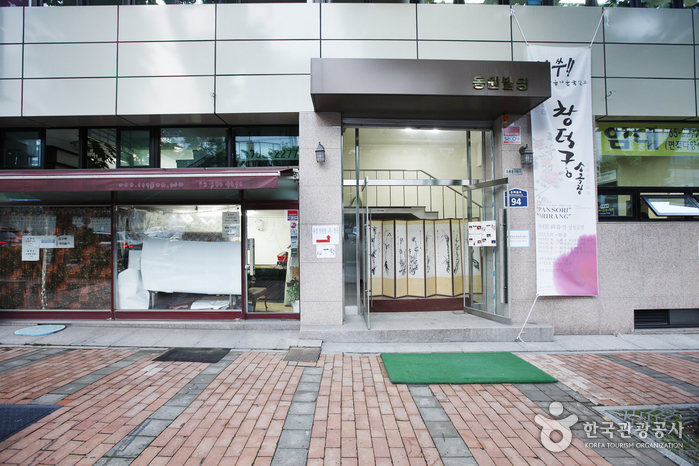
Theatre Changdeokgung (창덕궁 소극장)
9.0Km 2021-12-07
88-1, Donhwamun-ro, Jongno-gu, Seoul
Theatre Changdeokgung is located across from Changdeokgung Palace in the Gugak-ro Special Cultural Zone of Seoul. To recreate the traditional Korean entertainment setting and offer a better view of the stage, the theater is designed with floor seatings facing a platform stage. The theater offers a wide array of performances including samulnori (traditional Korean percussion quartet), traditional Korean music, and madanggeuk (a play infused with traditional music and performances). First time visitors often find the creative and cozy experience create a lasting memory of Korean culture and arts. Also nearby the theater are a number of tourist attractions including Changdeokgung Palace, Unhyeongung Palace, Jongmyo Shrine, and Insa-dong.
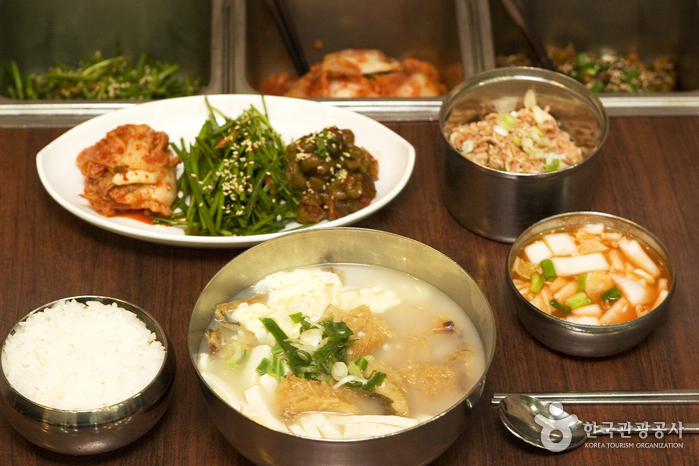
Bugeogukjip (북어국집)
9.0Km 2024-12-27
38, Eulji-ro 1-gil, Jung-gu, Seoul
Bugeogukjip (formerly “Teojutgol”) is a restaurant behind City Hall in Seoul that has been serving up authentic dried Pollack soup since 1968. Despite a name change, the restaurant has proudly stood in this same location for decades, earning a strong reputation for its dried Pollack soup made using traditional cooking methods.
Since the restaurant only serves one thing—dried Pollack soup—there are few preparations to be made and the meal arrives on your table in minutes. Customers are free to serve themselves basic side dishes such as kimchi and can have as many servings of rice as they’d like, allowing diners to enjoy a hearty meal at a low price. While the restaurant’s design and menu may be simple, Bugeogukjip takes pride in its long history and the careful efforts that have earned it a reputation as one of the most notable restaurants in Seoul.
Jinju Hoegwan (진주회관)
9.0Km 2024-06-19
26 Sejong-daero 11-gil, Jung-gu, Seoul
Jinju Hoegwan is a renowned kongguksu (noodles in cold soybean soup) eatery near City Hall Station. Kongguksu is a traditional Korean summer dish made by boiling and grinding soybeans into a creamy broth, served with noodles, offering a refreshing and nutty flavor. Kongguksu is available from March to November. Their staff-recommended menu includes kimchi bokkeumbap (kimchi fried rice), freshly roasted by the staff, along with kimchi jjigae and samgyeopsal (pork belly).
 English
 한국어
한국어 日本語
日本語 中文(简体)
 Deutsch
 Français
 Español
 Русский


