
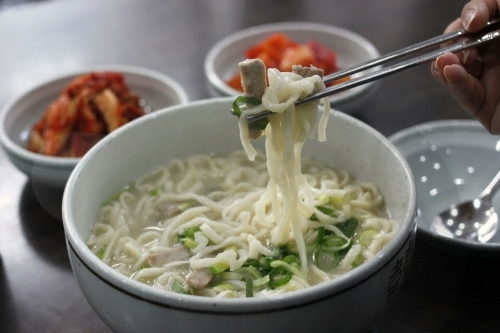
Jeongdong Guksi (정동국시)
2.1Km 2024-06-19
5 Jeongdong-gil, Jung-gu, Seoul
Jeongdong Guksi features a rich soup with a clean taste, created by carefully removing the oil dozens of times while boiling Korean beef bones for 15 hours. The restaurant uses this same beef bone broth in their mandutguk (dumpling soup), something not many restaurants do. The rich flavor of the broth combined with the soft dumplings, made in-house daily, is a must-try. The restaurant is also surrounded by many cultural and artistic spaces, making it a great addition to tours in the area.
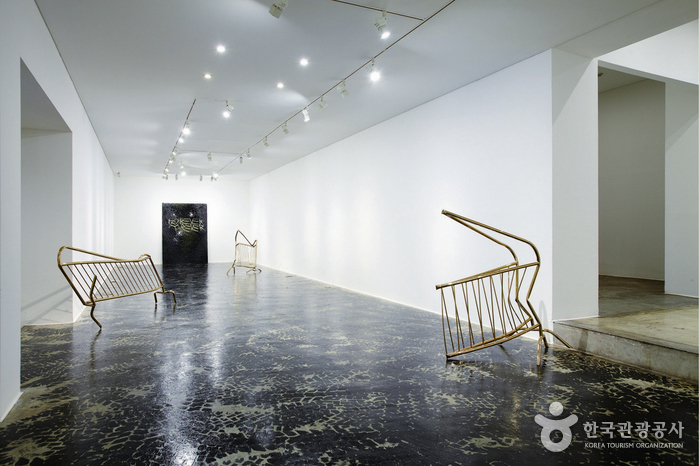
Kukje Gallery (국제갤러리)
2.1Km 2021-07-29
54, Samcheong-ro, Jongno-gu, Seoul
The Kukje Galley has been committed to presenting the work of significant Korean and international contemporary artists to the public since 1982. The gallery has established itself as a leading venue for international exhibits such as Helen Frankenthaler, Sam Francis, Jim Dine, Frank Stella, Robert Mangold, Anthony Caro, Cy Twombly, Edward Ruscha, Anselm Kiefer, Joseph Beuys, and Bill Viola, attracting enthusiastic responses from both the public and the media.
The gallery has placed emphasis on collaborations between artists, galleries, and art dealers around the world and nurturing upcoming artists by sponsoring their artwork and giving them international exposure.
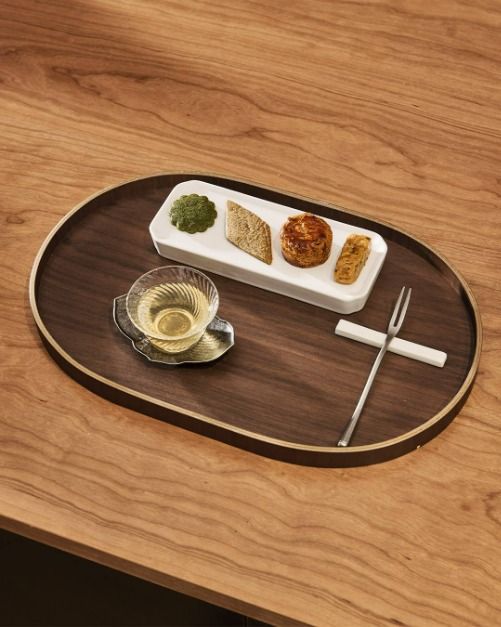
Pyunkang Yul Flagship & Tea house (편강 율 플래그십&티하우스)
2.1Km 2025-12-10
35-4 Bukchon-ro 5ga-gil, Jongno-gu, Seoul
Pyunkang Yul Flagship & Tea house is a cafe in Bukchon Hanok Village near Gyeongbokgung Palace. The first floor is a teahouse where one can enjoy Korean tea infused with traditional ingredients and delightful desserts with a view of the cafe's serene garden, and the second floor is a flagship store of Pyeongang Yul, a K-beauty brand known for integrating hanbang (traditional Korean medicine) in their skincare products. The third floor features a rooftop that offers a sweeping view of the Bukchon Hanok Village and Gyeongbokgung Palace.
Daehakro Arts Theater (대학로예술극장)
2.1Km 2021-07-05
17, Daehak-ro 10-gil, Jongno-gu, Seoul
Daehakro Arts Theater is a venue for performing arts that is comprised of a main hall and small hall. The main hall fills the first and second floors and has a proscenium stage with seating arranged in fan-shape. In an effort to present a more contemporary theater experience, the seats here are placed closer to the stage than those of a standard theater, allowing the audience to experience performances more vividly.
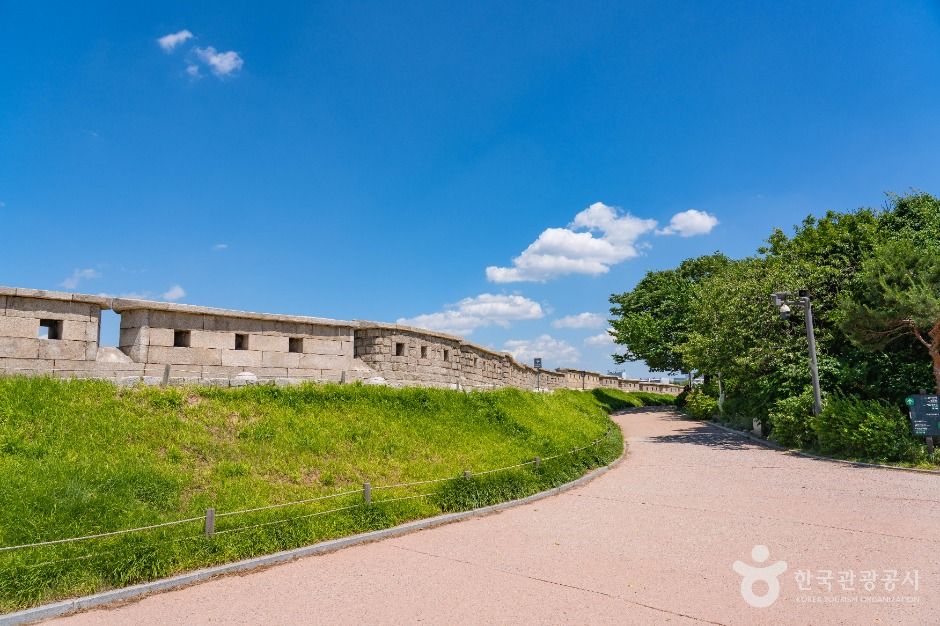
Naksan Park (낙산공원)
2.1Km 2025-12-16
41 Naksan-gil, Jongno-gu, Seoul
Naksan Mountain (alt. 125 meters) is one of the four inner mountains of Seoul, and can be accessed by following the road leading to the mountain entrance from Daehangno and Dongdaemun. It was also called Naktasan Mountain, which can be translated to Camel Mountain, because the terrain resembled a camel's back. It also had another name, Taraksan Mountain, “tarak” meaning fermented milk, because there was a royal ranch in the area that supplied milk to the palace. After the 1960s, the original appearance of Naksan Mountain disappeared due to apartments and dense housing, and the Seoul Metropolitan Government established a restoration plan. As part of this plan, a park project was carried out, and it opened Naksan Park in July 2002. Currently, Naksan Park has established itself as a resting place for citizens to feel the beautiful atmosphere of Hanyangdoseong, or the Seoul City Wall, and green forests. It has gained much popularity as a place for seeing the most beautiful night view in Seoul.
◎ Travel Information to Discover Hallyu’s Charm - Netflix Series "KPop Demon Hunters (2025)"
The fortress walls at Naksan Park served as the backdrop for Rumi and Jinu’s conversation in the Netflix series "KPop Demon Hunters." The view of the walls and the cityscape beyond adds to the unique atmosphere of the show, and visiting Naksan Park in person offers an expansive and memorable view of Seoul’s city center.
K-Royal Culture Festival (궁중문화축전)
2.1Km 2025-07-29
161 Sajik-ro, Jongno-gu, Seoul
+82-1522-2295
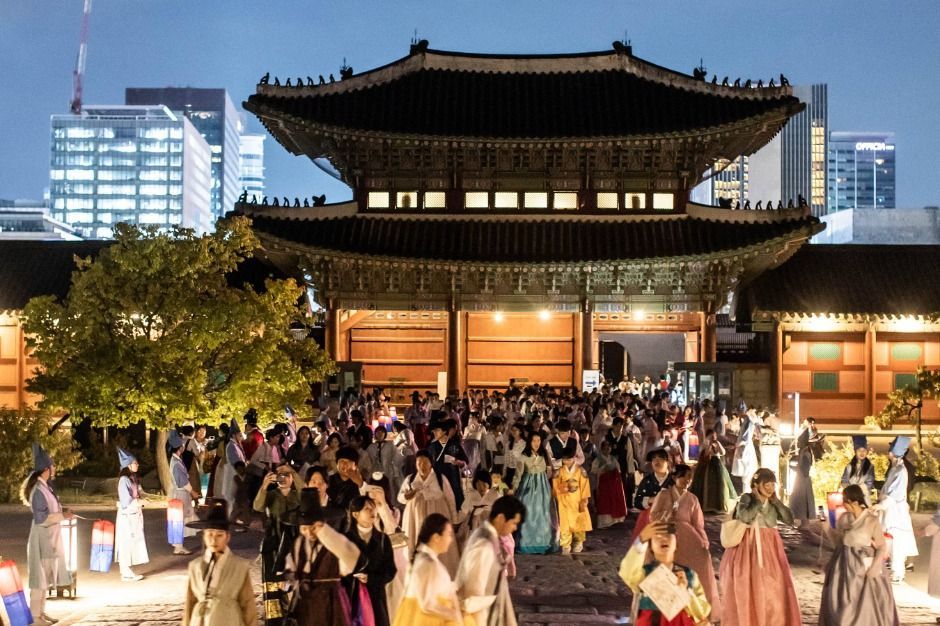
The K-Royal Culture Festival is held at the five Royal Palaces and Jongmyo Shrine. The festival first began in 2014 and provides visitors with first-hand knowledge of these important cultural heritages through unique performances, exhibitions, experiences and programs. The festival expanded in 2021 to be hosted twice a year, in spring and in fall.
Woo Joo Yon Clinic (우주연한의원)
2.1Km 2025-10-23
(2nd Floor, Hanok), 41 Bukchon-ro 12-gil, Jongno-gu, Seoul
Woojooyon Clinic takes an integrative approach considering the patient's overall health. Rather than merely treating the affected area, we listen to the patient's story, understand their daily life, and focus on identifying and correcting the root causes of imbalances in the body. Our goal is to pursue true healing and happiness by treating with a delicate touch that connects with the patient's soul. We aim to restore the body to its original state, ensuring a holistic examination of both body and mind, as well as habits and personality. Woojooyon Clinic is committed to helping patients regain a healthy life by applying the wisdom of traditional Korean medicine. We value our relationships with patients and strive to always do our best.
Culture Station Seoul 284 (문화역 서울 284)
2.1Km 2025-10-23
1 Tongil-ro, Jung-gu, Seoul
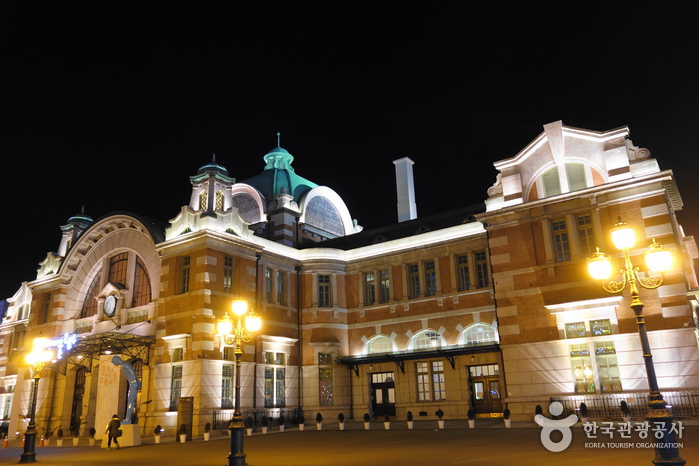
Culture Station Seoul 284 opened in 2011 by restoring the old Seoul Station. The complex holds various programs including exhibitions, performances, cultural events and workshops. It holds over 100 years of history with Namdaemun Station being the original name of the station in 1900 and changing to Gyeongseong Station, Seoul Station, and now Culture Station Seoul 284. The look of 1925 Gyeongseong Station offers visitors a flashback to the past, providing a fun and special experience.
◎ Travel information to meet Hallyu’s charm
This is where Mok-ha (played by Park Eun-bin) waited for Ki-ho (played by Chae Jong-hyeop) with flowers in the TV series "Castaway Diva." As the restored historic Seoul Station, it also appeared in "Reply 1994" as the location where Samcheonpo (played by Kim Sung Kyun) first arrived in Seoul.
Korean National Police Heritage Museum (경찰박물관)
2.1Km 2021-12-21
41, Saemunan-ro, Jongno-gu, Seoul
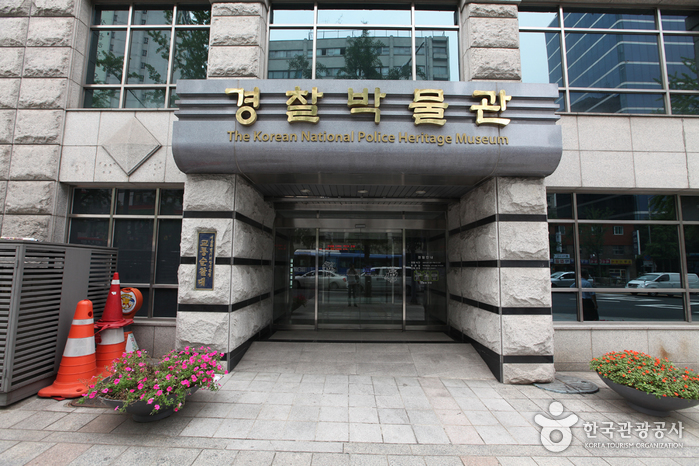
The police museum opened on October 14, 2005 to give a better understanding of the job of the police and to offer a formal education to children who wish to become police officers in the future. The history hall of the museum is designed for visitors to learn about the history of Korean police at a glance, exhibiting information on the police force from the Joseon dynasty up until current times.
Visitors to the museum can pretend to be police officers by touching actual equipment and learning about an officer's daily tasks. Visitors can also get in patrol cars, wear a police uniform, experience shooting a gun through a simulation, and learn self-defense martial arts and arrest techniques. Visitors can also go to the museum jail.
 English
 한국어
한국어 日本語
日本語 中文(简体)
 Deutsch
 Français
 Español
 Русский


