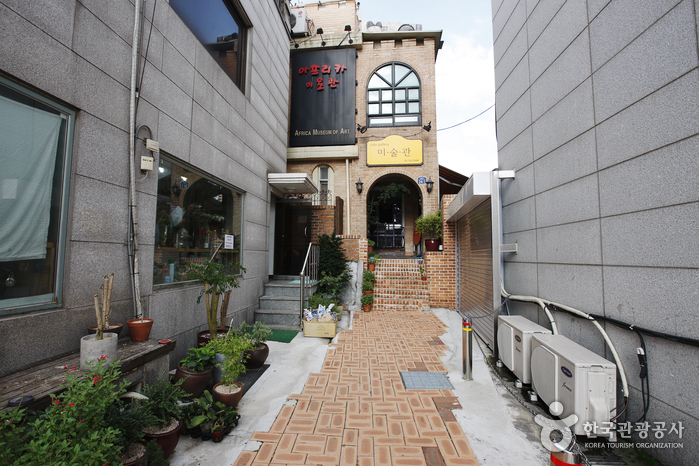
Africa Museum of Art (아프리카미술관)
1.9Km 2022-10-26
24-1, Samcheong-ro, Jongno-gu, Seoul
The Africa Museum of Art was established with the purpose of hosting various art festivals and providing the grounds for researching various art themes. A major principle of the gallery is to promote works of art that actively attempt to explore the human mind.

Seoul National University Hospital (서울대학교병원)
1.9Km 2025-10-23
101 Daehak-ro, Jongno-gu, Seoul
Seoul National University Hospital, a national central hospital that has led Korean medicine for over 130 years, is a top-tier hospital equipped with world-class medical professionals and cutting-edge systems. For 25 consecutive years, it has ranked first in brand power in the hospital sector. The hospital is renowned for its cancer research, the most comprehensive pediatric care in the country, and treatments for rare and intractable diseases. Through patient-centered, personalized services, it has established itself as a trusted healthcare institution.
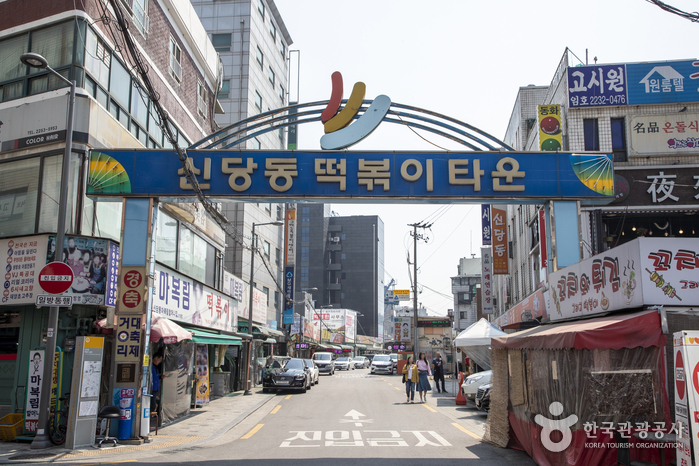
Sindang-dong Tteokbokki Town (신당동떡볶이골목)
1.9Km 2022-10-25
10-18, Dasan-ro 33-gil, Jung-gu, Seoul
Sindang-dongTteokbokki Town started in the late '70s, although the alley did not become famous until the '80s. At that time, each restaurant had its own DJ booth, with the image of the "cool DJ" who played the music becoming a symbol of Sindang-dong Tteokbokki Town. In addition, this period also marked the prime time of high school baseball where students would crowd the streets on days when Duksoo Commercial High School and Sunrin Commercial High School (now Sunrin Internet High School) played against one another. Although these high school students have aged, they continue to visit the area, reliving their youth and continuing to indulge in the specialty tteokbokki.
However, some claim the history of this alley began in the 1950s. The owner of Mabongnim Halmeoni Tteokbokki restaurant says tteokbokki was being sold as early as 1953 as the area used to be home to Donga Theater and she sold tteokbokki, corn and potatoes to those visiting the theater. At first, tteokbokki was simply made with gochujang (red chili paste) but as time went by, cooks decided the dish could be more than just a snack. By adding ingredients like eggs, cellophane noodles, fish cakes, instant noodles and more recently squid, prawn and cheese, tteokbokki can be made more delicious and turns this beloved snack into a full meal.
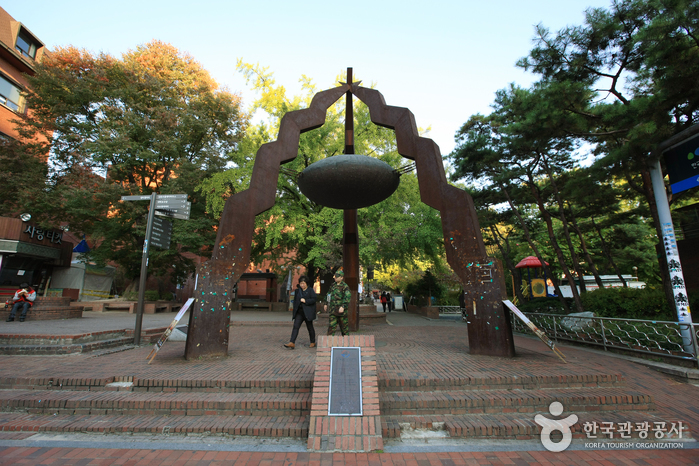
Marronnier Park (마로니에공원)
1.9Km 2021-07-14
104, Daehak-ro, Jongno-gu, Seoul
Marronnier Park was given its name due to the marronnier trees, or horse chestnut trees, growing within the area. The location where Seoul National University's College of Liberal Arts & Science and School of Law once stood, it is now a park dedicated to culture and arts open to the public. In addition to a variety of outdoor performances that take place throughout the area, exhibitions and cultural centers create a romantic atmosphere unique to the park.
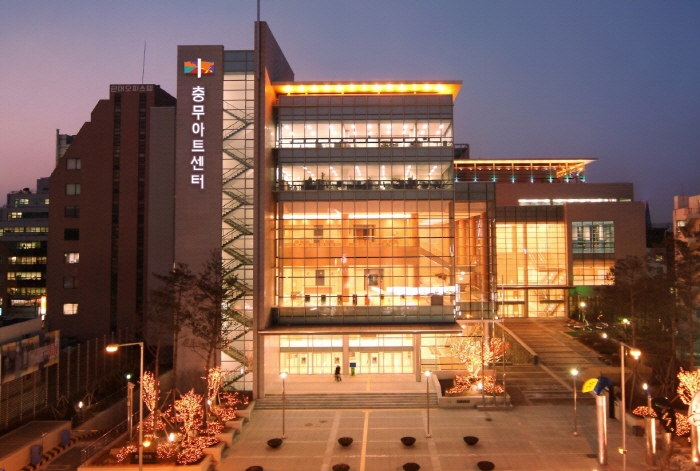
Chungmu Arts Center (충무아트센터)
1.9Km 2024-03-06
387, Toegye-ro, Jung-gu, Seoul
Chungmu Arts Center is a complex cultural facility with an optimal conditions for watching performances. It has a large theater, a medium theater (black), and a small theater (blue). It also boasts great galleries, studios, and a swimming pool, attracting numerous visitors. In addition, one can enjoy performances of various genres, including classical music, plays, musicals, and concerts. Located close to Dongdaemun, it has good accessibility.
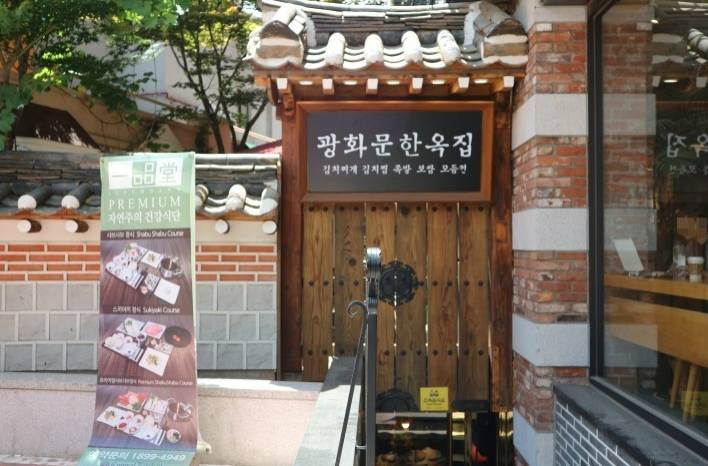
Gwanghwamun Hanokjip (광화문한옥집)
1.9Km 2024-10-15
7, Saemunanro5ga-gil, Jongro-gu, Seoul
A store with rooms reproducing a traditional kitchen. The best menu at this restaurant is napa wraps with pork. This is a Korean cuisine located in Gwanghwamun Gate, Seoul.
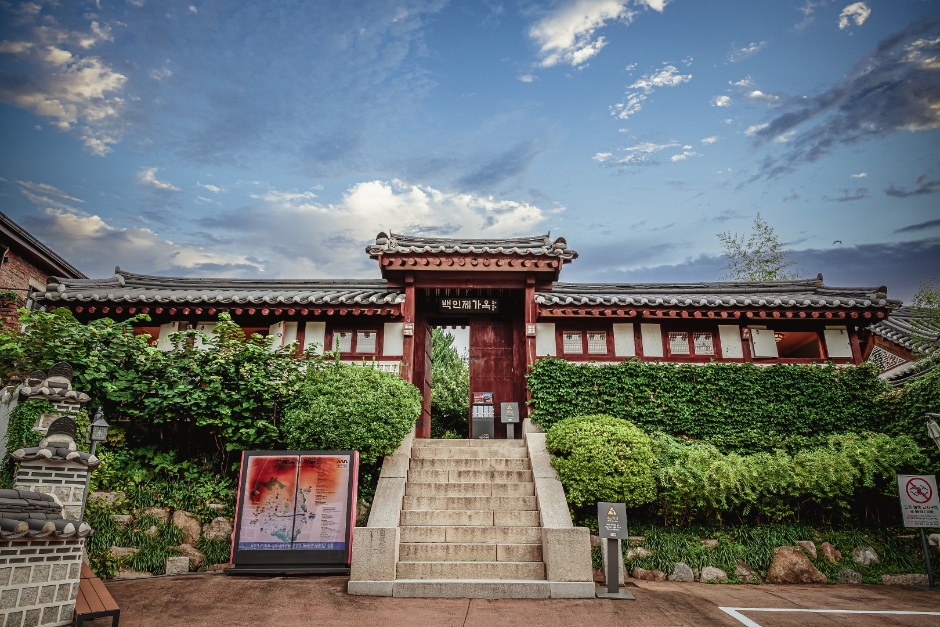
Baek In-je House (백인제가옥)
1.9Km 2025-10-24
16 Bukchon-ro 7-gil, Jongno-gu, Seoul
Baek In-je House, located in Bukchon Hanok Village, is a hanok built during the Japanese administration period that portrays modern hanok features. The structure consists of a main room offering a good view of the whole village, spacious bedrooms, a large garden, and annex buildings. As it maintains the beauty of a traditional hanok while incorporating the modern trend of its time, Baek In-je House is considered to be highly valuable in means of both architecture and history, representing the Bukchon Hanok Village together with Yun Bo-seon House.
Baek In-je House was built from black pine, which was first introduced in Seoul during the Gyeongseong Expo in 1907, distinguishing itself from other upper-class houses of its time. Unlike other traditional hanok designs that separate the main building from the other rooms, Baek In-je House connects the two with a hallway, allowing convenient access between the two structures. The house also consists of a Japanese-style hallway and floor mat rooms, reflecting the interior trends of that period. Baek In-je House is also unique in that the main room is partially built as a two-story structure, a style that was never seen in any traditional hanok built during the Joseon period.
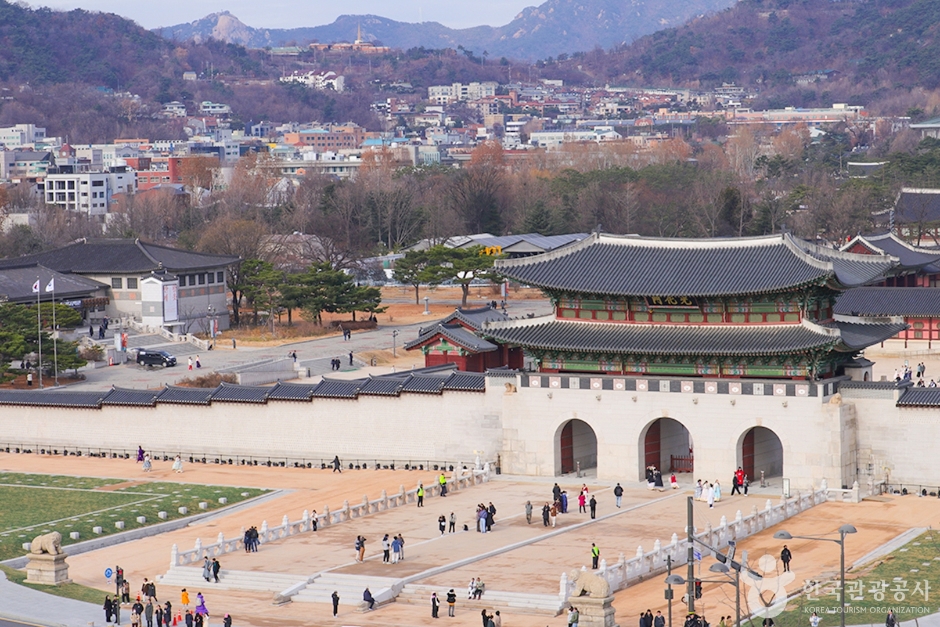
Gwanghwamun Gate (광화문)
1.9Km 2024-12-04
161 Sajik-ro, Jongno-gu, Seoul
Built in 1395 under the reign of King Taejo, the first king of the Joseon dynasty, Gwanghwamun Gate is the southern gate of Gyeongbokgung Palace. It is also the main gate of the palace, therefore larger and fancier in comparison to the other gates. Gwanghwamun Gate consists of three arched gates; the center gate was used by the king, while the other two were used by the crown prince and royal officials. The tall granite walls of the gate serve as a platform for the wooden gate tower that watches over the city. The gate has a sign with its name written at the top center of the gate tower.
Gwanghwamun Gate went through several damages and restorations over the course of history. It was first severely damaged during the Imjin War (1592-1598) and was not restored until the reconstruction of Gyeongbokgung Palace in 1864. Under the Japanese administration, the gate was demolished and relocated to the north of the palace's eastern gate, followed by series of damages during the Korean War (1950-1953). In 1968, Gwanghwamun Gate was relocated back to the south of the palace and was rebuilt using concrete; however, the gate’s position was shifted a few meters away from its original location. In 2006, a major reconstruction project took place to restore Gwanghwamun Gate to its original state and location, disassembling the structure completely and replacing concrete with granite and wood. After three years and eight months of construction, Gwanghwamun Gate was fully restored to its original form and was open to the public on August 15, 2010.
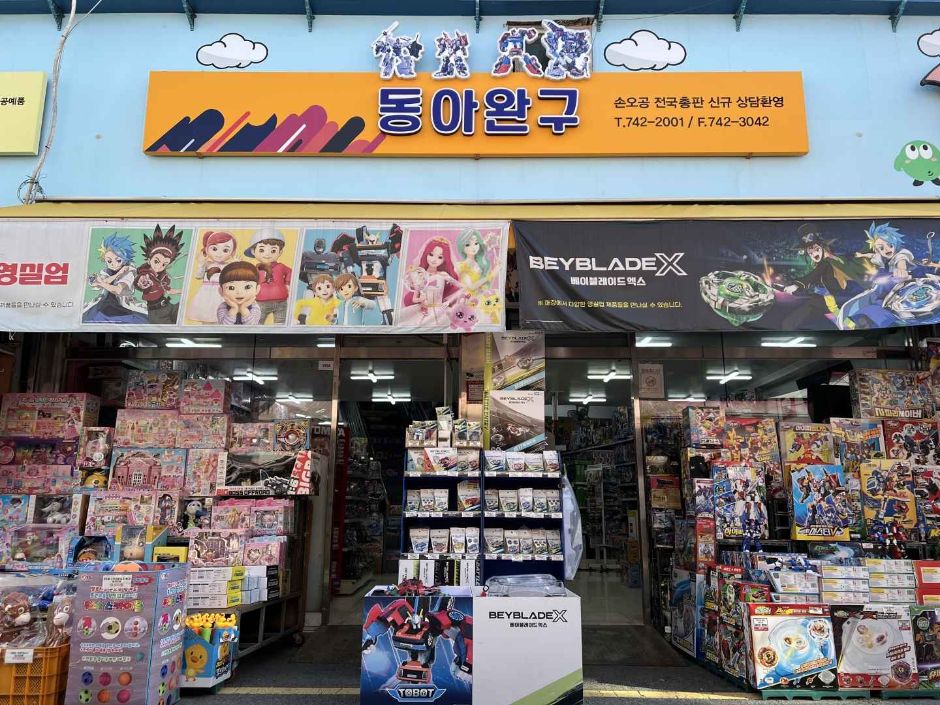
Donga Stationery (동아완구)
1.9Km 2024-09-11
5 Jong-ro 52-gil, Jongno-gu, Seoul
Donga Stationery is a stationery store located along Changsin-dong Stationery Street. The stop offers a full range of stationery and character goods and is popular among children and adults alike. The shop is located right by Dongdaemun Station (Seoul Subway Line 1), Exit 4, making it easily accessible.
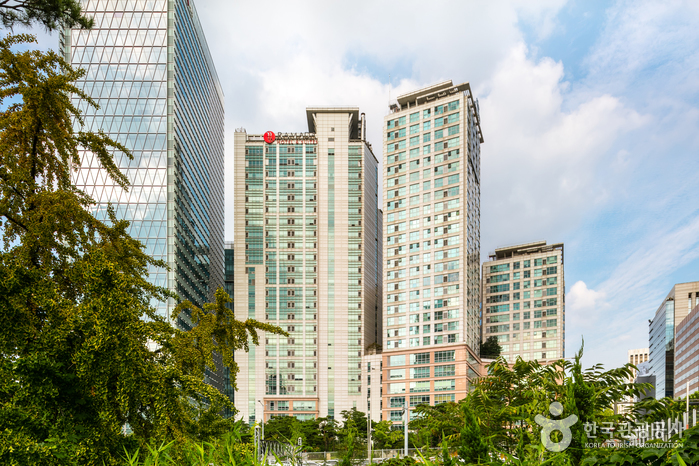
Ramada Hotel & Suites by Wyndham Seoul Namdaemun (라마다 호텔앤스위트 서울남대문)
1.9Km 2024-12-23
27 , Chilpae-ro, Jung-gu, Seoul
Ramada Hotel and Suites Namdaemun in Jung-gu, in the heart of Seoul,is famousd of for foreigner tourists and vacationers. Transport is convenient, with Seoul Station and City Hall Subway Station close by. Major Seoul tourist attractions such as Namdaemun Market, Myeong-dong, Gwanghwamun, and Deoksugung Palace are easily reachable on foot. A range of room types are offered, and additional facilities include a business center, restaurants, cafes, and an underground shopping mall. Dogs are allowed in rooms, but an extra cleaning fee is payable.
 English
 한국어
한국어 日本語
日本語 中文(简体)
 Deutsch
 Français
 Español
 Русский


