
Jeongdong Theater (국립 정동극장)
1.8Km 2024-06-19
43 Jeongdong-gil, Jung-gu, Seoul
Jeongdong Theater is located along Deoksugung Stone Wall Path and serves as a cultural hub for local citizens. Opened in 1995, Jeongdong Theater is historically significant as it was established to restitute the legacy of Wongaksa, the first modern theater in Korea. Jeongdong Theater features numerous critically-acclaimed productions, such as “Traditional Art Performance,” “Masters Exhibition,” and “Art Frontier,” as well as programs like “Art Stage at Noon” that are geared toward the general public. As a result, Jeongdong Theater has become one of Korea's representative traditional arts performance theaters and was designated as a Seoul Future Heritage in 2015.
The theater successfully held the performance “Miso” in 2010, featuring the traditional musical "Love Songs from Chunhyang," written and created by Jeongdong Theater. The musical attracted many international visitors from all over the world, passing on Korean cultural values and beauty, as well as gaining the attention of critics worldwide. In addition, the theater also produced "The 2nd Story of Miso: Baebijang-jeon," offering a modern interpretation of the fundamental values found in Korea's culture and art.
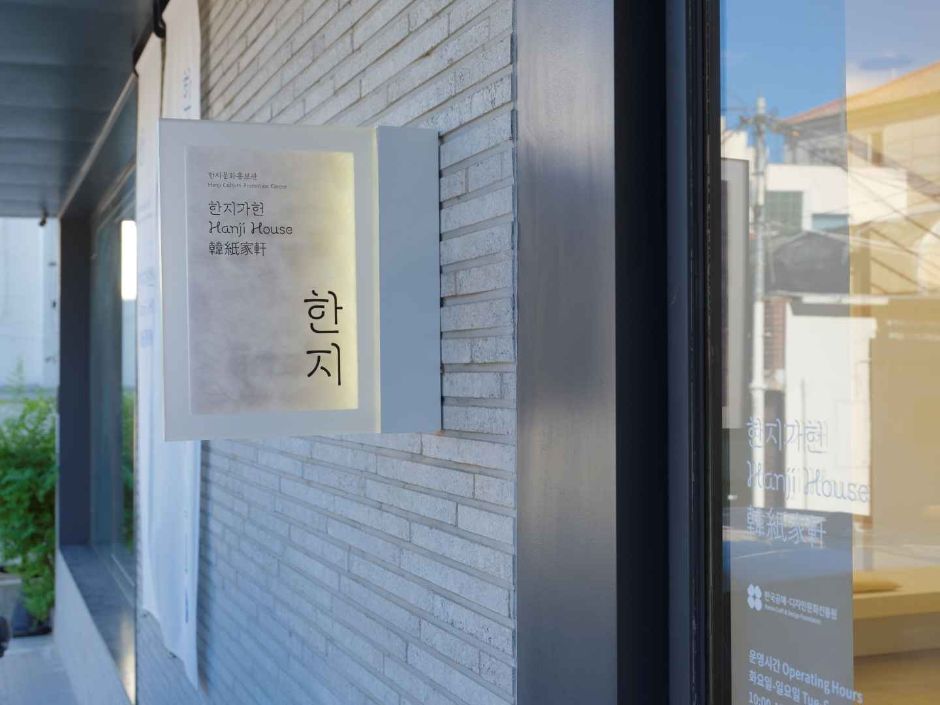
Hanji House (한지가헌)
1.8Km 2025-07-25
31-9 Bukchon-ro, Jongno-gu, Seoul
Hanji House was founded to pass on the cultural heritage of hanji, traditional Korean paper, as well as to promote its excellence and uses in everyday life. The center is operated by Korea Craft & Design Foundation, and offers a variety of programs that consist of exhibitions, hands-on activities, classes, and marketing hanji products. On the first floor is Hanji Showroom, where various exhibitions take place to showcase hanji of the past and the present. The basement floor comprises Hanji Open Archive, Hanji Print Studio, and Hanji Workroom, where most of the hands-on activities and classes are held. Hanji House also offers a docent program for exploring the whole area.
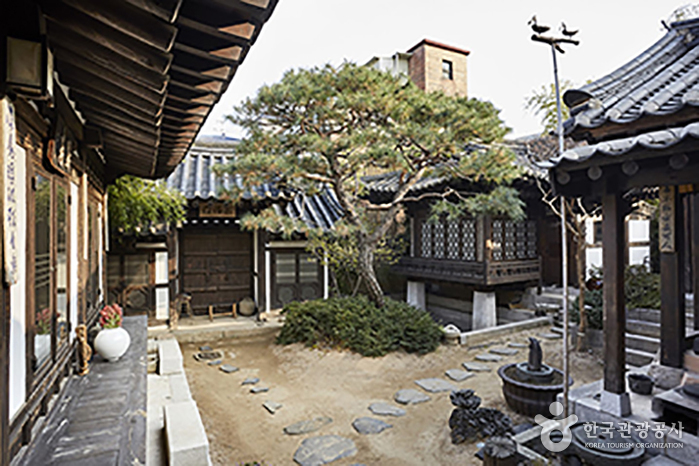
Rakkojae Seoul Bukchon Hanok Hotel (락고재 서울 북촌 한옥호텔)
1.8Km 2025-10-27
49-23 , Gyedong-gil, Jongno-gu, Seoul
Rakgojae Bukchon Hanok Hotel in Jongru-gu, Seoul, is a traditional hanok compound with a 130-year history, renovated by master carpenter Jeong Yeong-jin. The elegant gate and stone walls, the traditional roof tiles, the jangdokdae jar store, the pavilions and ponds - not to mention the beautiful pine trees - express the archetypal beauty of hanok. Sitting on the daecheongmaru (wooden patio) with a breeze in the trees, guests will feel taken back in time. Guestrooms are clean and comfortable, and visitors can relax in a wood-fired red-clay sauna and a jade-covered ondol room,. Traditional culture programs are available.
Geumdwaeji Sikdang (금돼지식당)
1.8Km 2025-10-28
149 Dasan-ro, Jung-gu, Seoul
Geumdwaeji Sikdang is renowned as one of the top three pork restaurants in Seoul, specializing in pork dishes. Its signature menu item is the nunkkon moksal (grilled pork shoulder), known for its marbled appearance resembling snowflakes. Bonsamgyeop (grilled bone-in pork belly) and deungmoksal (short loin and pork shoulder) are also popular choices. They offer fragrant basil wraps as a side dish, which perfectly complements the slightly grilled basil with the juicy and flavorful meat, creating a harmonious taste sensation that is considered a delicacy at this establishment.
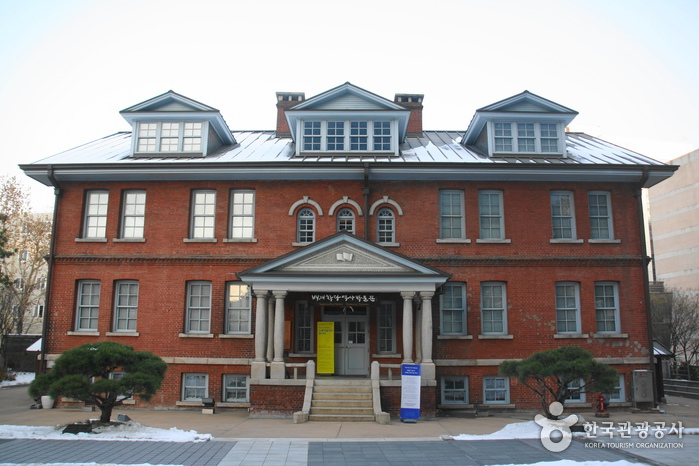
Appenzeller Noble Memorial Museum (배재학당 역사 박물관)
1.8Km 2022-10-14
19, Seosomun-ro 11-gil, Jung-gu, Seoul
The Appenzeller Noble Memorial Museum is dedicated to Henry Gerhart Appenzeller, the missionary who opened the first Western-style educational institution in Korea in 1885. The school started with English and core subjects, but expanded into the Pai Chai University, Pai Chai High School, and Pai Chai Middle School and has many famous alumni, including Rhee Syng-man. The memorial hall opened in 2008 in the east wing of the original school building, which was built in 1916 and designated as a Seoul Monument. With dynamically arranged permanent exhibitions, annual special exhibitions and special lectures, the museum offers a unique learning experience to visitors and people with an interest in the history of education in Korea.
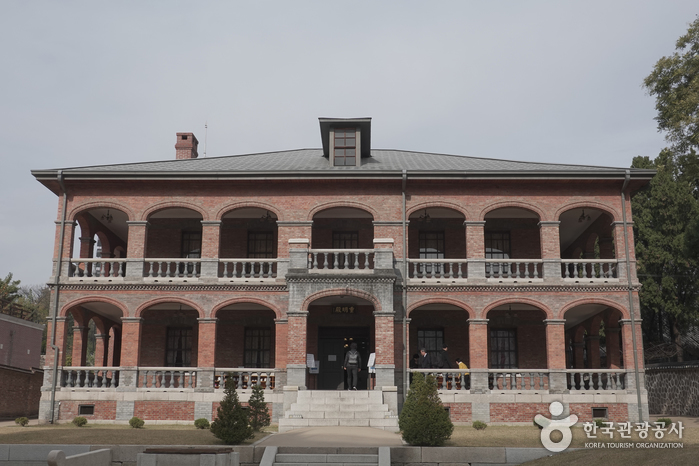
Jungmyeongjeon Hall (중명전)
1.8Km 2025-01-09
41-11, Jeongdong-gil, Jung-gu, Seoul
Located near Deoksugung Palace, Jungmyeongjeon Hall is a red-brick modern Western-style building. It was built in 1899 as the imperial library of the Korean Empire. After Deoksugung Palace caught on fire in 1904, the place became the temporary residence of Emperor Gojong. It also witnessed the tragic part of history in which the infamous Eulsa Treaty (Japan-Korea Protectorate Treaty), an illegal treaty forced by Japan, was signed in 1905. Its exhibition hall serves as a place for historical education.
Lee Ri-Ja Hanbok Museum (이리자 한복전시관)
1.9Km 2022-08-08
20, Samcheong-ro, Jongno-gu, Seoul
The Lee Ri-Ja Hanbok Museum displays the traditional clothing worn in Korea from birth to death. All hanbok displayed at the museum are created by the hanbok designer Lee Ri-Ja herself, who has over 40 years of experience.
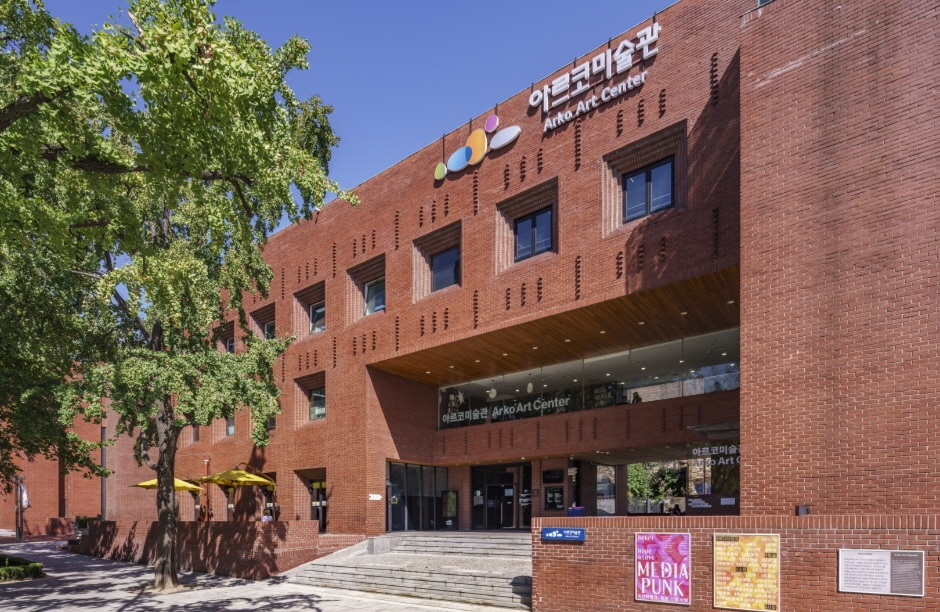
ARKO Art Center (아르코미술관)
1.9Km 2025-06-05
3, Dongsung-gil, Jongno-gu, Seoul
ARKO Art Center was founded in 1974 as Misulhoegwan in a building of former Deoksu Hospital in Gwanhun-dong, Jongno-gu to offer much-needed exhibition space for artists and arts groups. In 1979, Misulhoegwan moved to its present building, designed by preeminent Korean architect Kim Swoo-geun (1931-1986) and located in Marronnier Park, the former site of Seoul National University. The two neighboring brick buildings accommodating ARKO Art Center and ARKO Arts Theater are the major landmarks of the district of Daehakro.
As more public and private museums and commercial galleries came into the art scene in the 1990s, Misulhoegwan shifted to curating and presenting its own exhibitions. Renamed as Marronnier Art Center in 2002, ARKO Art Center assumed a full-fledged art museum system and played an increasingly prominent role as a public arts organization leading the contemporary art paradigm. When The Korea Culture and Arts Foundation was reborn as Arts Council Korea, Marronnier Art Center became ARKO Art Center named after the abbreviation for Arts Council Korea in 2005.
ARKO Art Center is committed to working as a platform where research, production, exhibitions and the exchange of creative activities grow and develop in connection with one another in addition to having a diversity of programs including thematic exhibitions addressing social agenda and public programs widely promoting various discourses in art.
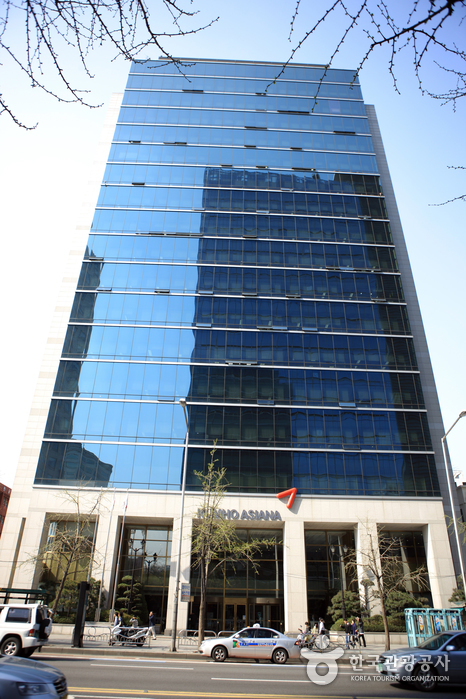
Kumho Art Hall (금호아트홀)
1.9Km 2021-05-28
76, Saemunan-ro, Jongno-gu, Seoul
Kumho Art Hall was built in 2000 exclusively for classical music concerts, with 390 seats, the perfect structure for chamber concerts. All seats are recital hall chairs and the wide spacing between rows of chairs helps the audience to have a pleasant time. Upon entering the theater, all cell phones will turn off automatically. This helps all visitors to enjoy the concert without being interrupted by ringing cell phones. The interior is cozy and luxurious, and the stage is made of maple.
Artee Riders Club (아띠인력거)
1.9Km 2022-09-15
43, Bukchon-ro 5-gil, Jongno-gu, Seoul
Artee Riders Club is the first company that offers rickshaw tours in the nation. Not only do you get to ride on the rickshaw to tour around popular attractions including Bukchon Village, Seochon Village, the rickshaw tour guides you to the smaller alleys as well. Travelers to Bukchon Village may have their belongings or luggage stored at the center, and individual's insurance as well as a complimentary drink are offered.
 English
 한국어
한국어 日本語
日本語 中文(简体)
 Deutsch
 Français
 Español
 Русский


